The Bogota issue
The Walls That Talk: How Bogotá Turned a Graffiti Crackdown Into an Open-Air Gallery
How a police killing and a public backlash turned one of Latin America's most surveilled capitals into its most generous open-air canvas — and exactly where to see it, on foot, by bike or with an artist as your guide.
By Élodie MarchandA Bogotá weekend that respects the altitude
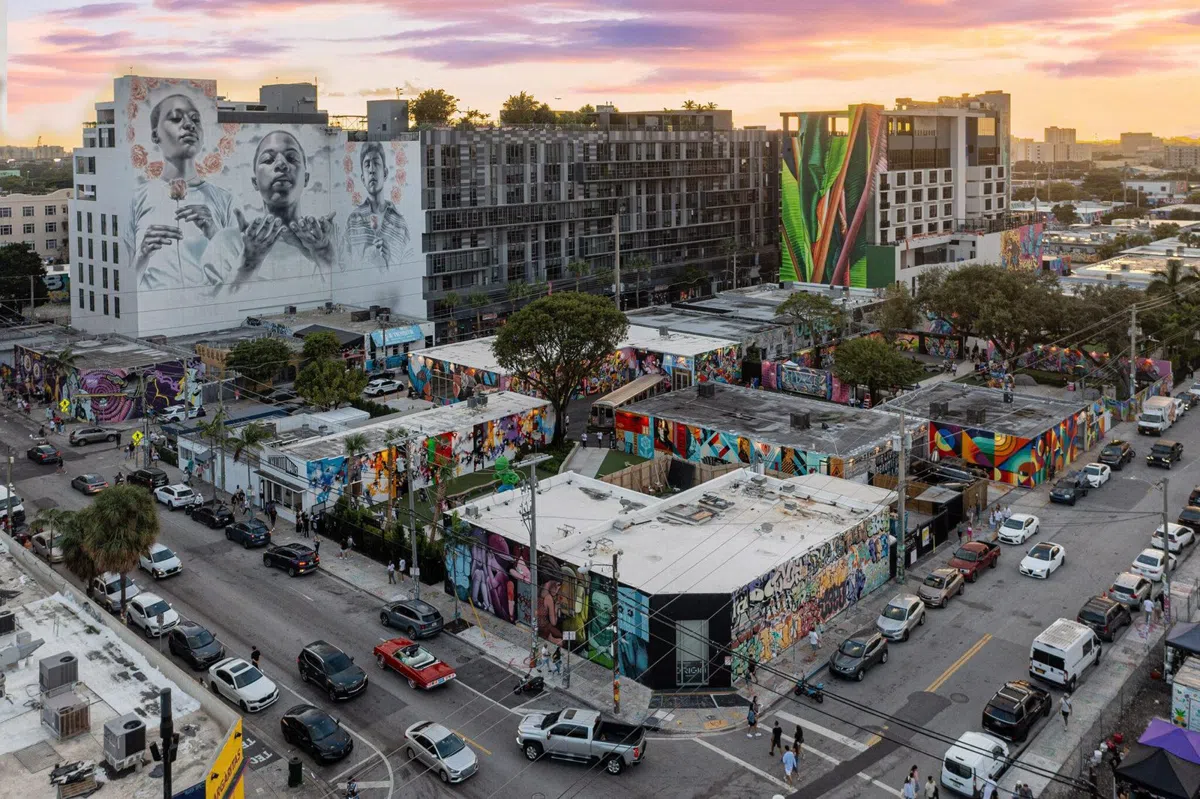
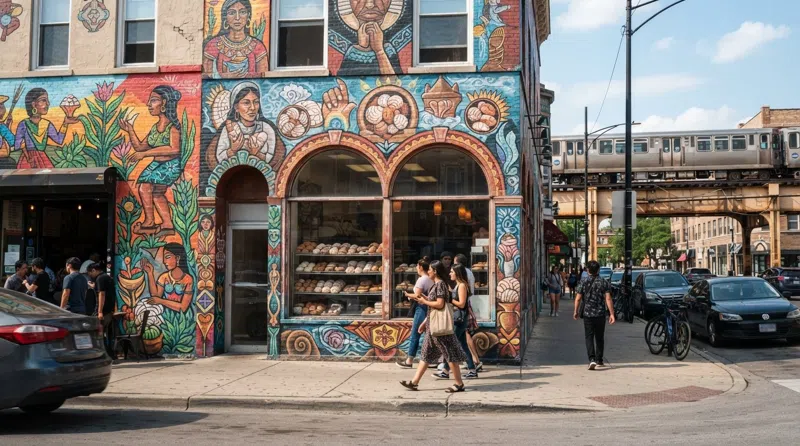
At 2,640 metres, Bogotá makes you slow down whether you mean to or not, and that altitude-enforced pause is the best thing that can happen to a first-time visitor: it forces you to look up. On almost every cross-street in the centre a wall is doing something — a fox in a business suit, a hummingbird the size of a bus, a stencilled line about the missing and the murdered. What reads as a spontaneous riot of colour is in fact the product of a hard, specific history, and the more you understand that history the better every mural gets.
Why the walls talk here
Bogotá did not decide to become a mural city by committee. In 2011 a teenage graffiti artist was shot dead by police, and the public anger that followed — sharpened two years later when a visiting pop star was escorted by police to paint a wall the same officers had been arresting locals for touching — pushed the city into regulating rather than criminalising street art. The result was a set of rules that made painting legal in much of the public realm with a property owner's consent. Artists who had worked at night, fast and afraid, could suddenly work in daylight, at scale, and sign their names.
That is why Bogotá's street art feels different from the decorative murals of many other capitals. Much of it is openly political — about land, displacement, Indigenous rights and state violence — and much of it is genuinely good, because established artists compete for the biggest walls. It is also impermanent: the best corridors are repainted constantly, so a wall you photograph in 2026 may be gone by the time you get home. Plan for that, and treat the whole city as a gallery that never keeps the same show twice.
Plan your Bogota trip
Live prices from our booking partners.
Free cancellation on many rooms. We may earn a commission when you book.
Start with a guide — and here's the honest reason
You can absolutely wander Bogotá's street art alone, and further down I'll tell you where. But the single best decision most visitors make is to take one guided tour early in the trip, because Bogotá's murals are context, not sightseeing. Without someone to tell you which fox belongs to which artist, or why a particular stencil keeps reappearing across the city, you are looking at surfaces. With a guide who paints, you are reading a conversation.
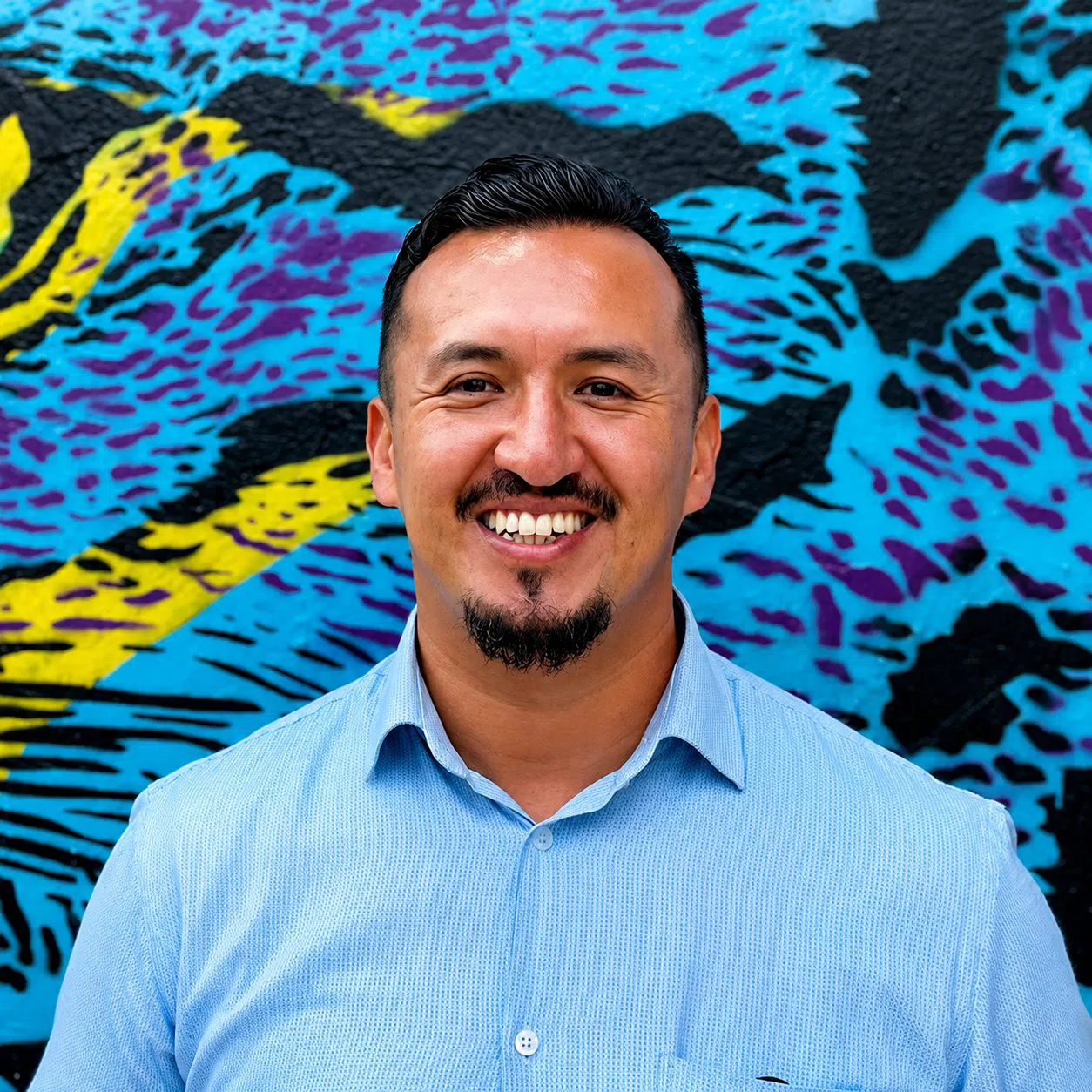
The reference tour is Bogotá Graffiti Tour (La Candelaria, meeting at Parque de los Periodistas on Cra 4 x Cl 17), running since 2011 and still the benchmark. Its guides are working artists, so the walk reads as insider commentary rather than a script, and it is built for groups: daily public departures at 10am and 2pm, plus bookable private and large-group tours. It is free or donation-based, with roughly COP 20,000–30,000 (about US$14) suggested — pay it, because this is the tour that effectively taught the world Bogotá had a scene. Turn up ten minutes early; the 10am slot is calmer and the light is kinder before the afternoon cloud builds.
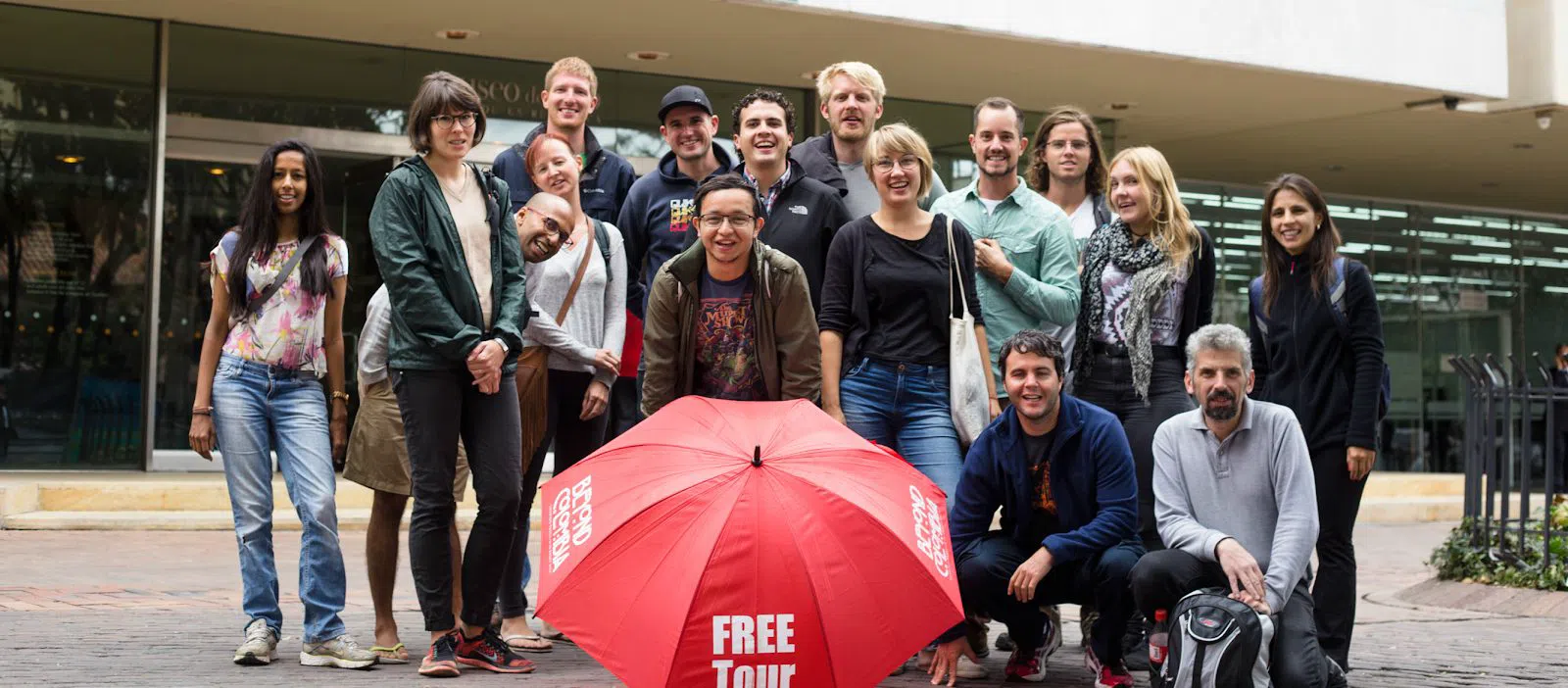
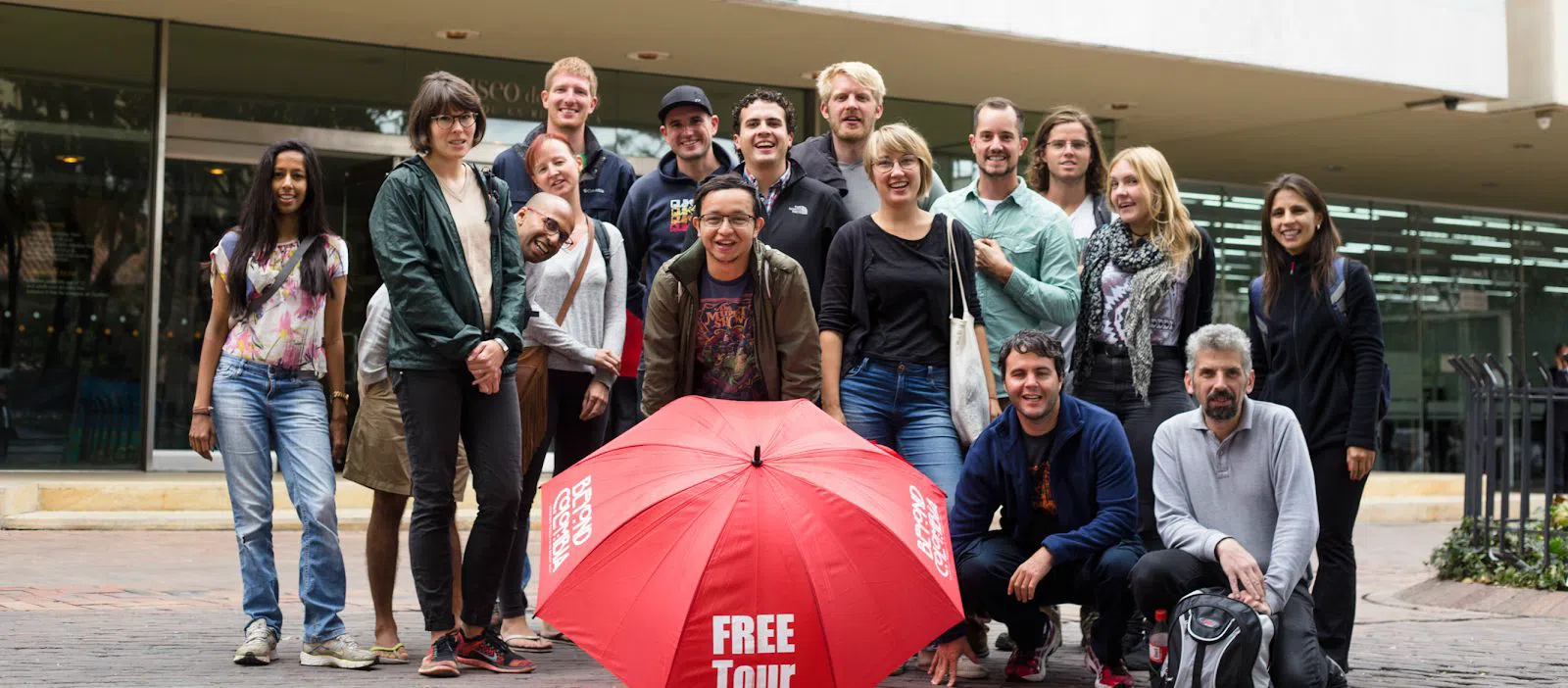
If that departure is full — and in high season it does fill — the Beyond Colombia Free Graffiti Tour (central barrios) is the strongest English-language alternative. It is a roughly 5km walk through the most mural-dense parts of the centre, with a heavier social and political framing, and it welcomes both walk-ups and pre-booked private groups. It is tip-based, with guides suggesting around COP 40,000–50,000. Come with water and a hat: 5km at this altitude is more tiring than the distance suggests, and there is little shade.
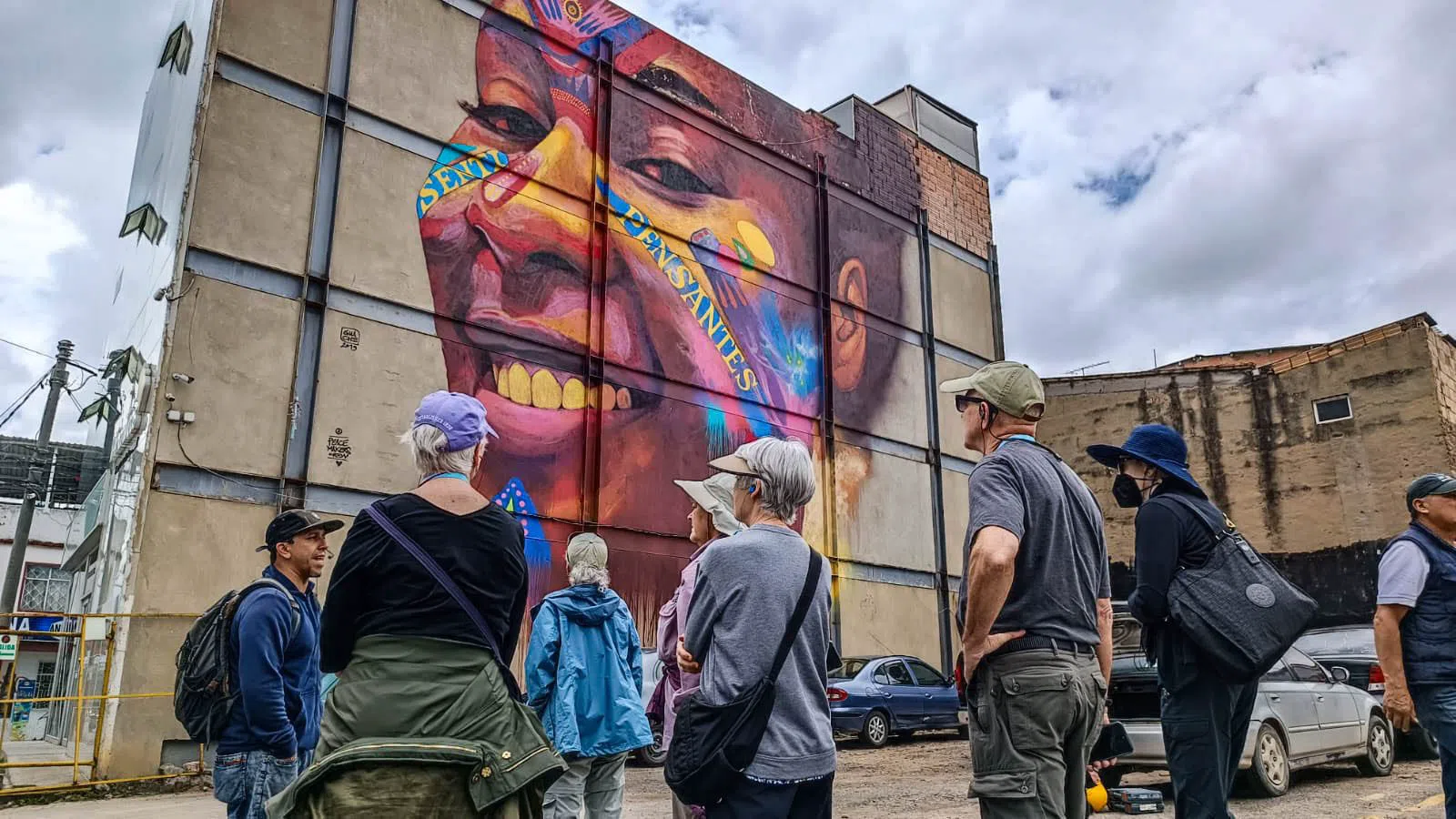
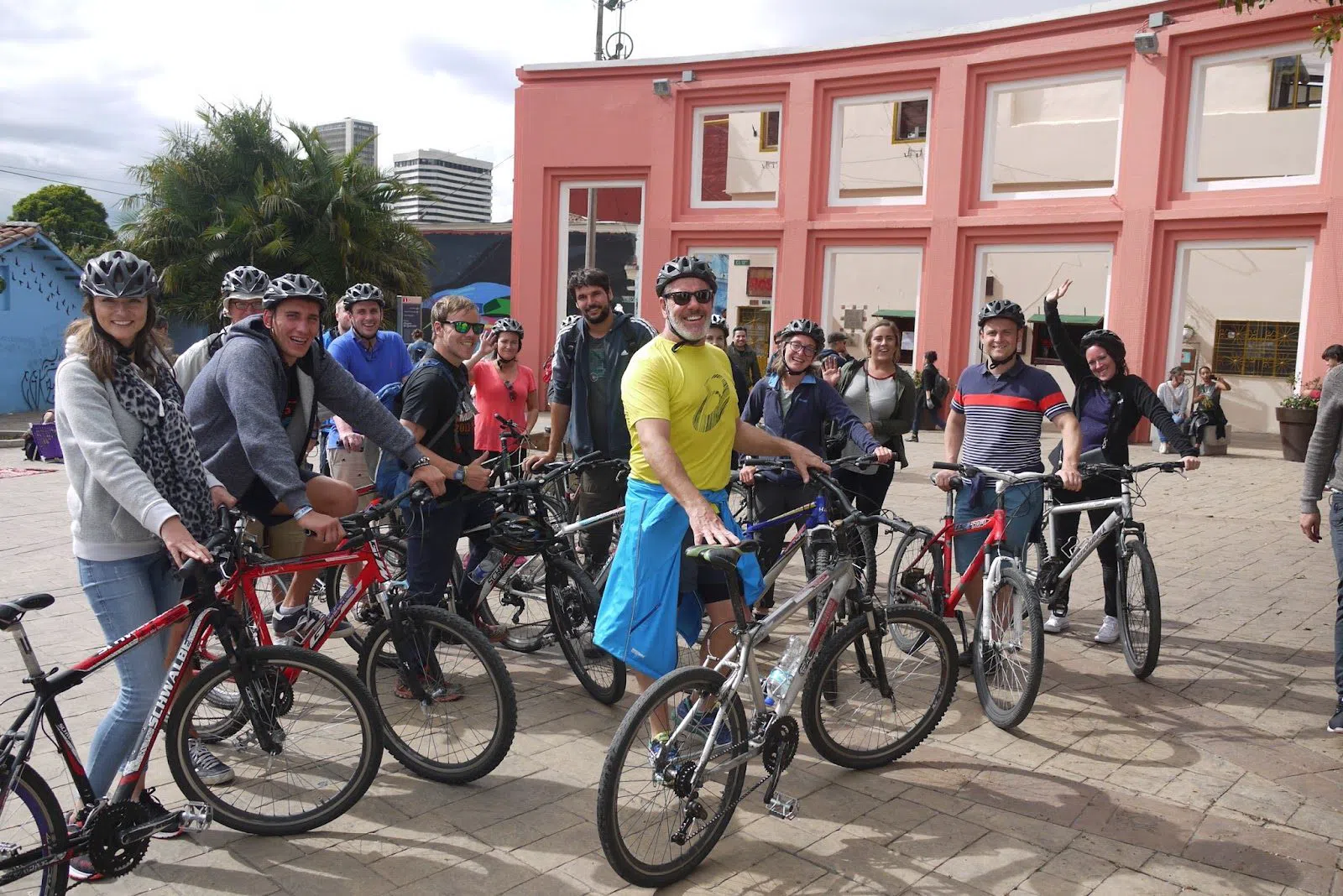
For something with a purpose beyond the walk, Capital Graffiti Tours (departing near the Gold Museum in the centre) is artist-run and, notably, the only operator that reinvests in painting new city murals — so your money literally puts more work on the walls. They offer donation walking tours and a suggested ~COP 50,000 bike tour, and it's the bike route that earns the recommendation: a 13km loop through Macarena, Teusaquillo, Santa Fe and Centro that reaches big walls no walking tour ever gets near. Riding at 2,640 metres sounds daunting but the centre is flatter than it looks, and a bike lets you cover ground your lungs would resent on foot.
If you'd rather fold street art into the city's wider bike culture than treat it as the whole point, Bogotá Bike Tours (La Candelaria) is a long-established operator whose graffiti-inclusive rides cost roughly US$25–30 with scheduled departures and private group options. It is the lowest-effort way to see a lot, and a good pick if you have mixed interests in your group and don't want a two-hour art seminar.
A note on group realities: every operator here handles groups, but the free and donation tours can swell to twenty or more people in season, which makes it harder to hear the guide and photograph walls cleanly. If you're a couple who cares about the detail, or a party of six-plus who wants to actually talk to your guide, book a private departure — all four operators offer them, and the uplift in quality is worth the modest cost.
The corridors you can walk yourself
Once you've had the context, Bogotá rewards self-guided exploration — and three places make it easy.
The showcase is Calle 26 — Museo a Cielo Abierto (the open-air avenue running west from the centre), a public corridor you can walk or drive for free. This is where the city's heavyweights work at monumental scale: look for pieces by DjLu, whose pictogram-style stencils turn corporate and military imagery into blunt commentary, alongside Guache's Indigenous-influenced figures and Stinkfish's dense, hallucinatory portraits. Because it's activist work on a major thoroughfare, it gets repainted often, so it genuinely rewards a return visit later in your trip. It suits self-guided groups well; just be aware it's a wide, traffic-heavy avenue rather than an intimate lane, so pick your crossings carefully.
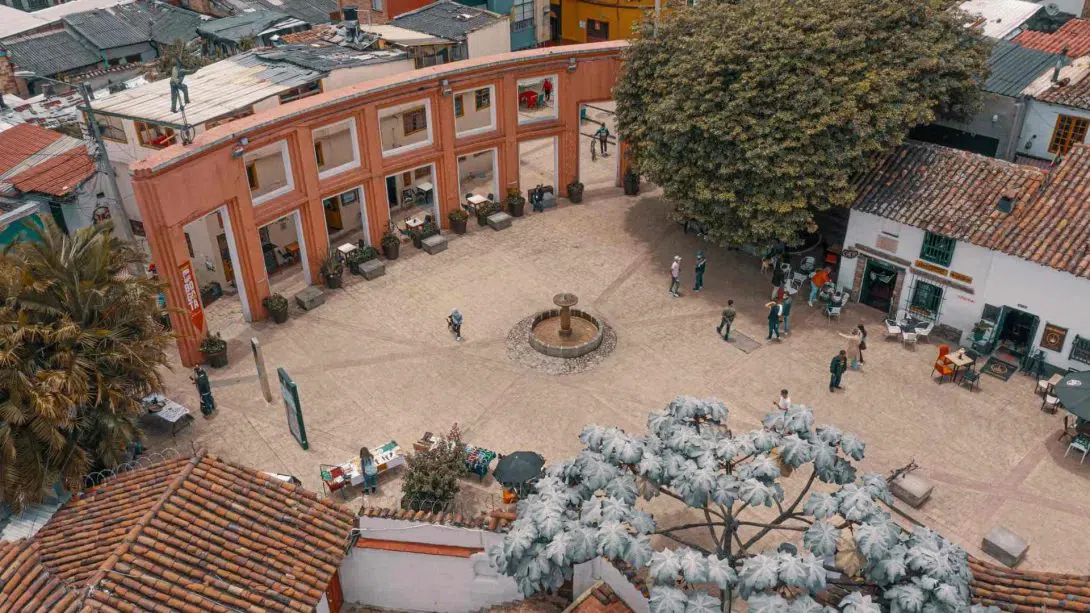
At the opposite scale sits Chorro de Quevedo & Calle del Embudo (La Candelaria), the small plaza held to be the city's founding spot and the bohemian heart of the old town. The square buzzes with performers, students and vendors selling chicha in clay cups, and the mural-lined Calle del Embudo — the funnel-shaped alley leading off it — is the single most photographed street-art lane in the centre. It's free, lively and safe by day; come mid-morning if you want the walls without the crowd, or early evening if you want the atmosphere and don't mind sharing the frame.
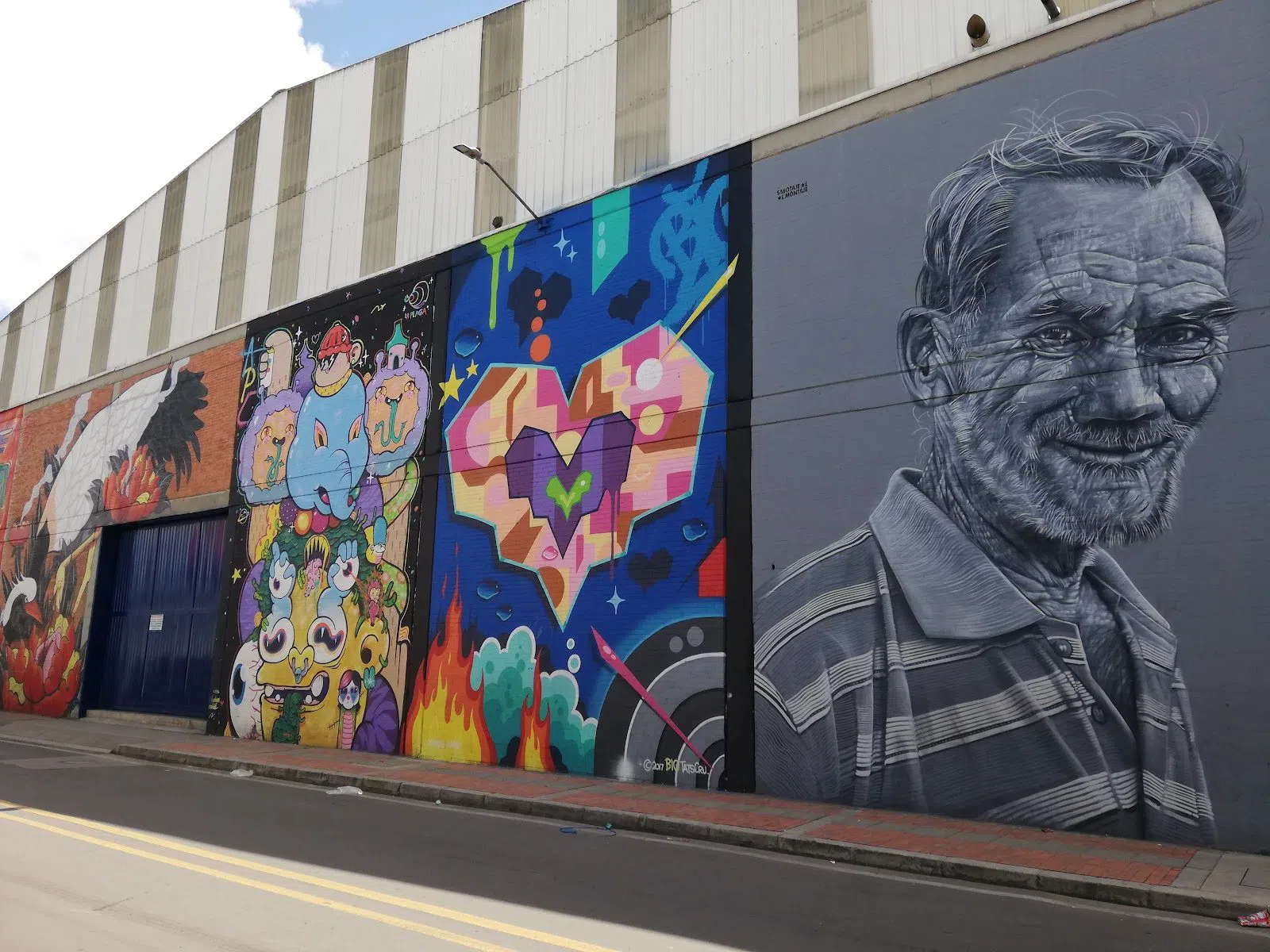
The most ambitious self-guided option is Distrito Graffiti — Puente Aranda (an industrial zone west of the centre), billed as Latin America's largest open-air concrete gallery. It's artist-curated, so the quality is consistently high across a genuinely large footprint — this is warehouse walls and factory frontages given over to serious work. The honest caveat: it's a working industrial district, not a tourist quarter, so visit by day and, ideally, on one of the free registered group tours that run set routes rather than drifting through alone. It's a rewarding stop for confident, curious travellers and a poor one for anyone who wants cafés and easy exits between murals.
The gallery barrios
Beyond the painted corridors, three neighbourhoods pair street art with indoor galleries, and they're where you'll want to slow down and eat.
La Macarena (below the eastern hills, near the bullring) is Bogotá's laid-back gallery-and-mural quarter and arguably the easiest to love. You can wander freely, dip into independent spaces such as NC-Arte and Valenzuela Klenner, and eat some of the best food in the city between them. Gallery entry is usually free. It suits couples and small groups equally, and its compact, walkable scale makes it a gentle first outing while you're still acclimatising.
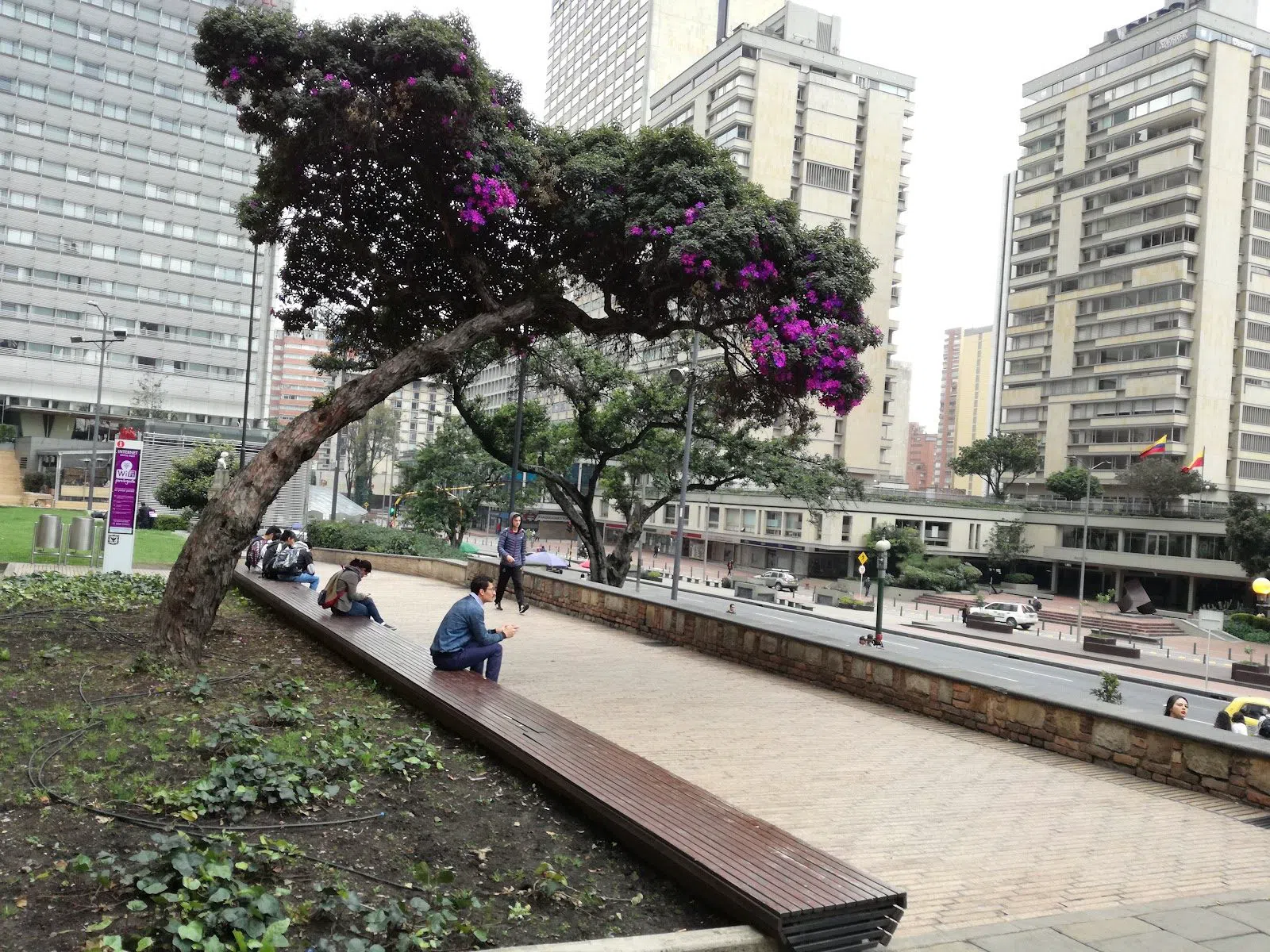
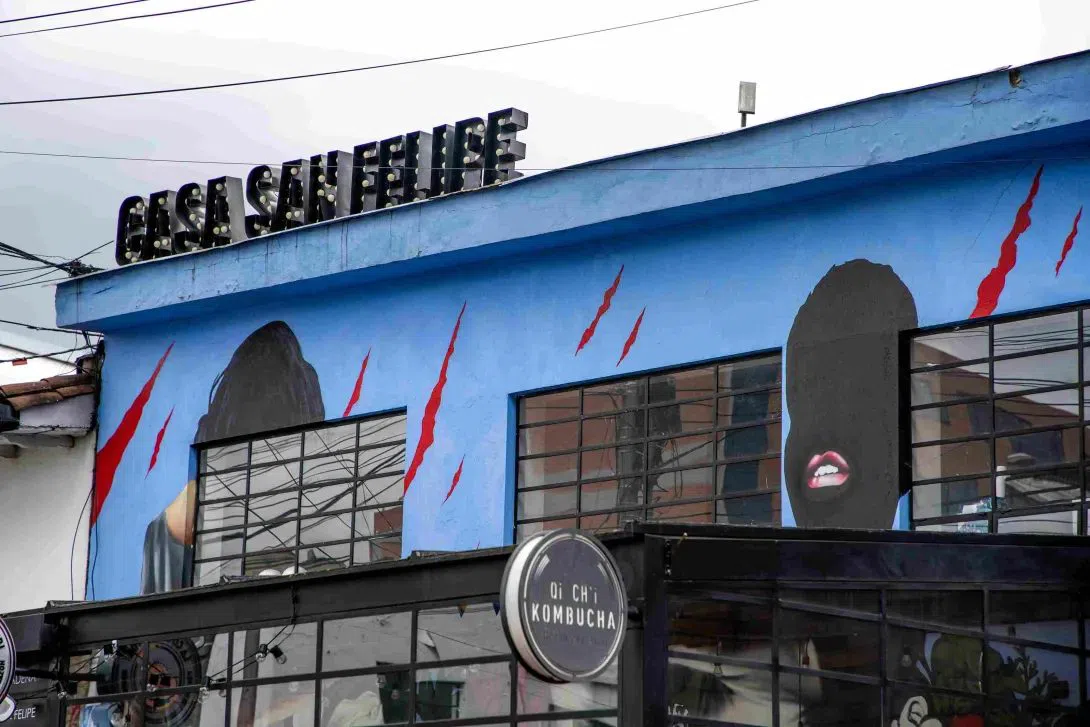
San Felipe Art District (Barrios Unidos, north of the centre) is a former mechanics' quarter turned contemporary-art enclave, and timing is everything here. It comes alive on the monthly 'Noche San Felipe' gallery nights and on Thursday–Friday evenings and weekends; midweek by day it's sleepy and residential, and you'll wonder what the fuss was about. Galleries are free to enter but keep limited hours, so this is a place to visit deliberately on the right night, ideally as a group doing a gallery hop, rather than to stumble into.
For the boldest, most experimental work away from the tourist centre, climb to Chapinero Alto & Quinta Camacho (Chapinero). This is Bogotá's most concentrated street-art zone outside the old town, with building-sized, boundary-pushing pieces best explored on foot around Chapinero Alto and easily combined with the area's excellent bars and cafés. It's all public streets and entirely self-guided, which makes it a satisfying half-day for travellers who've already done a formal tour and now want to look with their own eyes. Pace the hills; 'Alto' means high, and you'll feel every extra metre of elevation.
The newest chapter
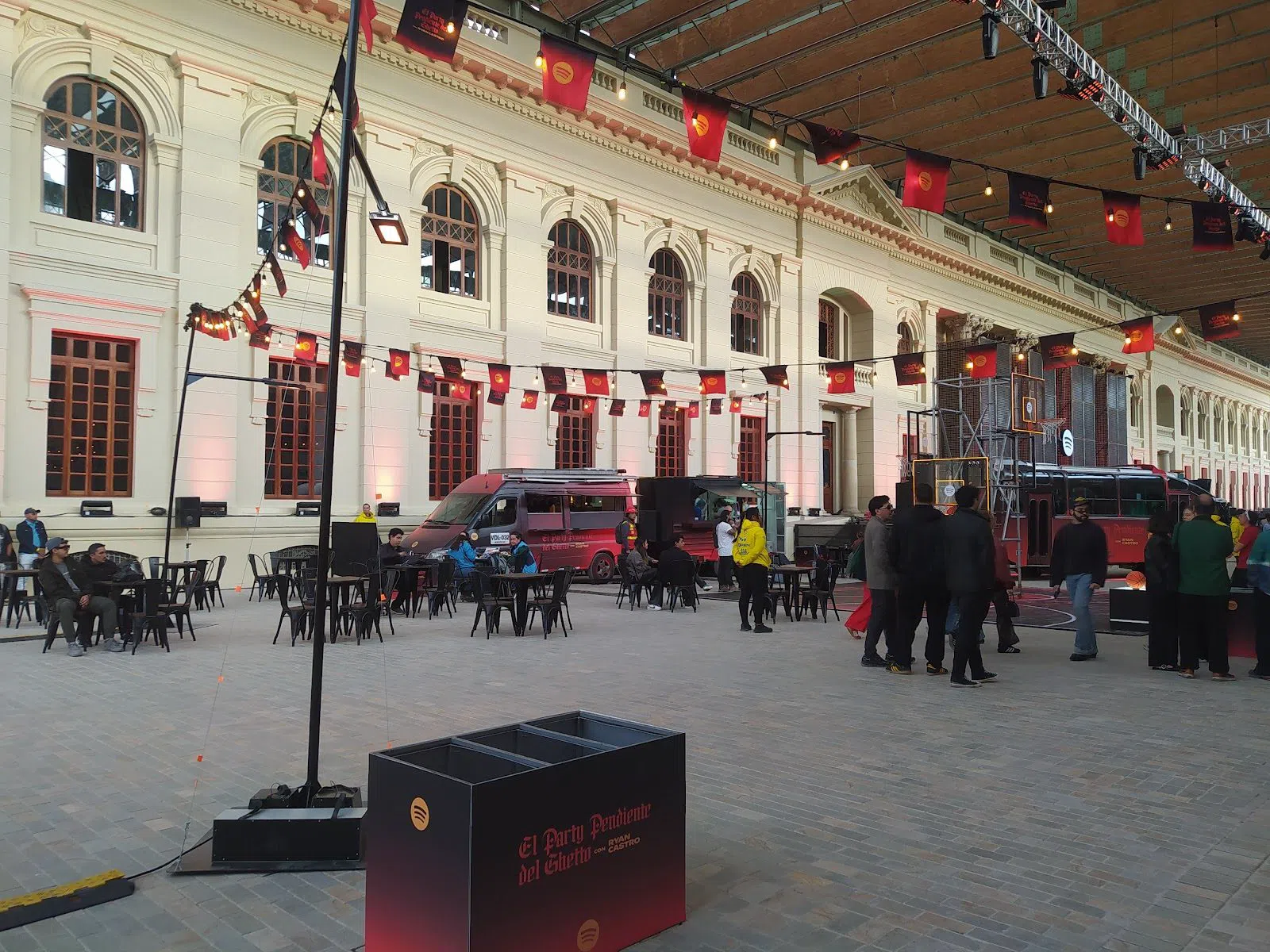
Save a little attention for Bronx Distrito Creativo (central Bogotá), because it's the freshest street-art story in the city. Once one of Bogotá's most notorious drug blocks, it has been reborn as a city-run creative district and opened to the public for the first time in late 2025. It runs public events and guided open days for groups, and entry is free but event-dependent — build-out is still finishing, so there's no point turning up on a dead afternoon. Check the programme before you go and time your visit to a scheduled open day; done right, it's a chance to see a piece of the city's redemption narrative while it's still being written.
Practical notes
Timing. Give yourself two to three days for the street art if you want more than a highlights reel, and take at least your first day gently while you acclimatise to the altitude — dehydration and headaches are common and entirely avoidable. Mornings bring the clearest light and the thinnest crowds; afternoon cloud and rain build most days, so front-load the walking.
Transport. The centre — La Candelaria, Chorro de Quevedo, Calle 26 — is genuinely walkable. For Distrito Graffiti, San Felipe, Chapinero and the wider bike routes, use a booked ride-hail app rather than hailing on the street, and consider a bike tour precisely because it stitches distant walls together without taxis.
Cash. Tours are the main expense and most donation guides expect cash in Colombian pesos, so carry small notes; COP 20,000–50,000 covers a tip per person depending on the operator. Cards work in Macarena and Chapinero cafés but not with a street guide holding out a hat.
Budget. Street art in Bogotá is close to free. Realistically you'll spend COP 20,000–50,000 on a walking tour tip, up to around US$30 on a guided bike ride, and the rest on coffee and lunch in the gallery barrios. Two well-chosen tours plus self-guided days is plenty.
Where to base yourself. Stay in or beside La Candelaria to walk to the centre's best walls, or in Chapinero if you want nightlife and the northern galleries on your doorstep; start your search with a Bogota hotel search. For everything else — food, neighbourhoods, getting in from the airport — see the wider Bogota guide.
Bogotá's walls talk because the city, for once, decided to listen. Give them a couple of unhurried days and they'll tell you more about this place than any monument.
Before you go
Is street art legal in Bogotá?
Largely yes. After a 2011 police killing of a young graffiti artist and the public backlash that followed, the city moved to regulate rather than criminalise street art, making it legal in much of the public realm with the property owner's consent. That's why so much of it is painted openly, at scale and signed by the artist.
Do I need a guided tour or can I explore on my own?
Both work, but take one guided tour early. Bogotá's murals are context as much as art, and guides who are working artists explain who painted what and why. After that, corridors like Calle 26 and Chorro de Quevedo's Calle del Embudo are easy and safe to walk yourself by day.
How much do the graffiti tours cost?
The main free and donation walking tours suggest roughly COP 20,000–50,000 per person (about US$14–20) paid in cash. Guided bike tours run from around COP 50,000 with Capital Graffiti Tours up to about US$25–30 with Bogotá Bike Tours. Street art itself is essentially free to see.
Is it safe to visit areas like Distrito Graffiti and Bronx Distrito Creativo?
Yes, with sensible timing. Distrito Graffiti in Puente Aranda is a working industrial zone best visited by day or on a free registered group tour rather than alone. Bronx Distrito Creativo is a city-run creative district that opened to the public in late 2025 and is safest on its scheduled guided open days, so check event dates first.
Does Bogotá's altitude affect a street-art walking tour?
It can. Bogotá sits at 2,640 metres, so a 5km walking tour is more tiring than the distance suggests. Take your first day gently, drink plenty of water, wear a hat, and consider a bike tour to cover more ground with less exertion once you've acclimatised.