The Bogota issue
The Walls That Talk: Bogotá's Street Art and the City's Open-Air Gallery
How to read Bogotá's street art in the right order — from the tour that started it all to the cable-car barrio most visitors never reach.
By Élodie MarchandA Bogotá weekend that respects the altitude
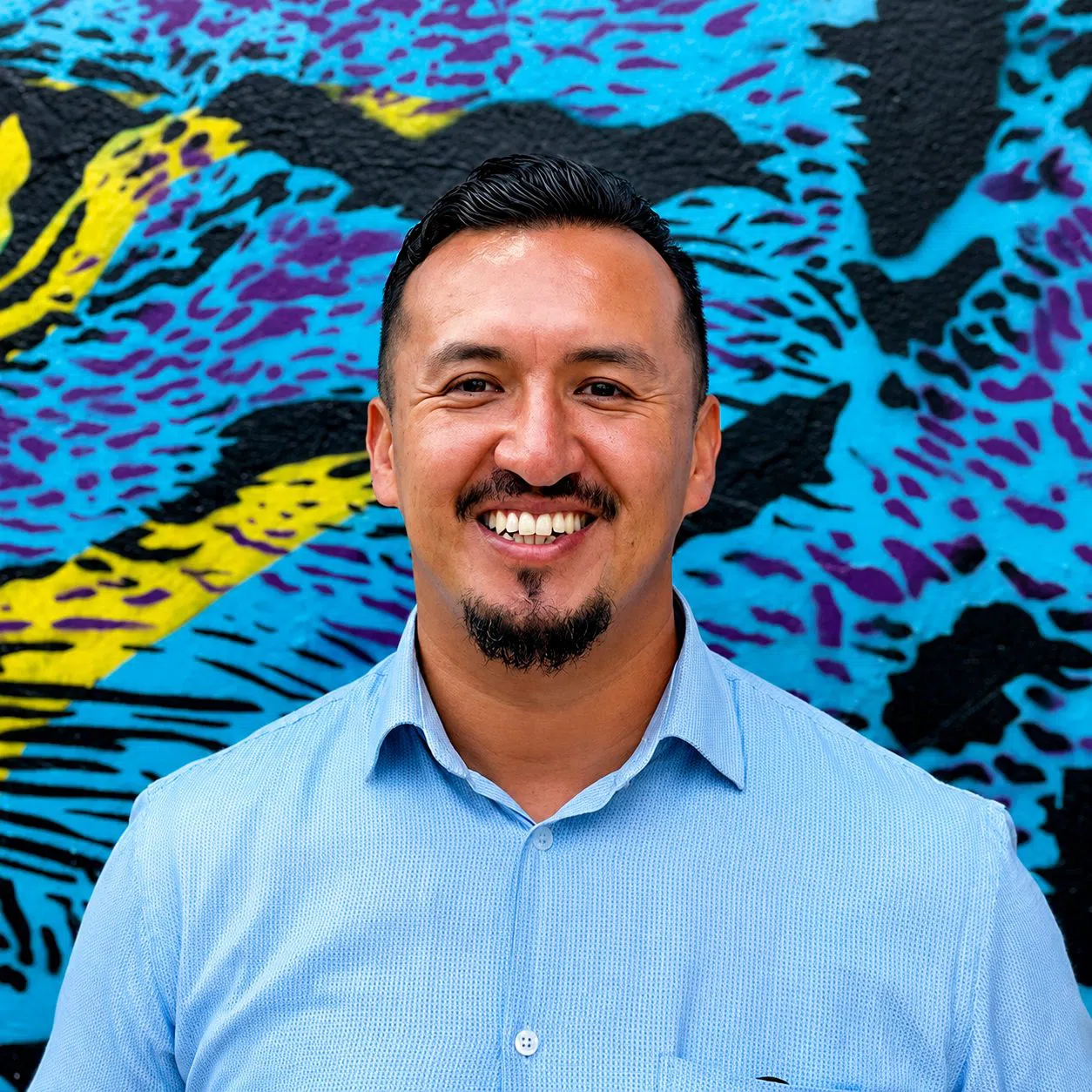
Bogotá sits at 2,640 metres, and the thin, bright light up here does something to colour: it sharpens edges, flattens the midday shadows and turns a plain concrete wall into a canvas that reads clean from across the street. This is a city that effectively decriminalised graffiti in 2011 and has been arguing with itself in paint ever since — Indigenous cosmology beside stencilled political jokes, sanctioned murals the size of an apartment block beside tags that will be gone by morning. What follows is a way to read those walls in the right order, starting with a guide, because in Bogotá context is not optional; the same wall can be a memorial, a protest and a commission, and you will walk straight past all three without someone to tell you which is which.
Start with a guide — you will want one
Do not begin alone. The murals are richest in neighbourhoods where a little local knowledge keeps you comfortable, and the stories behind the paint are the entire point. Four operators do this well, and they suit different travellers.
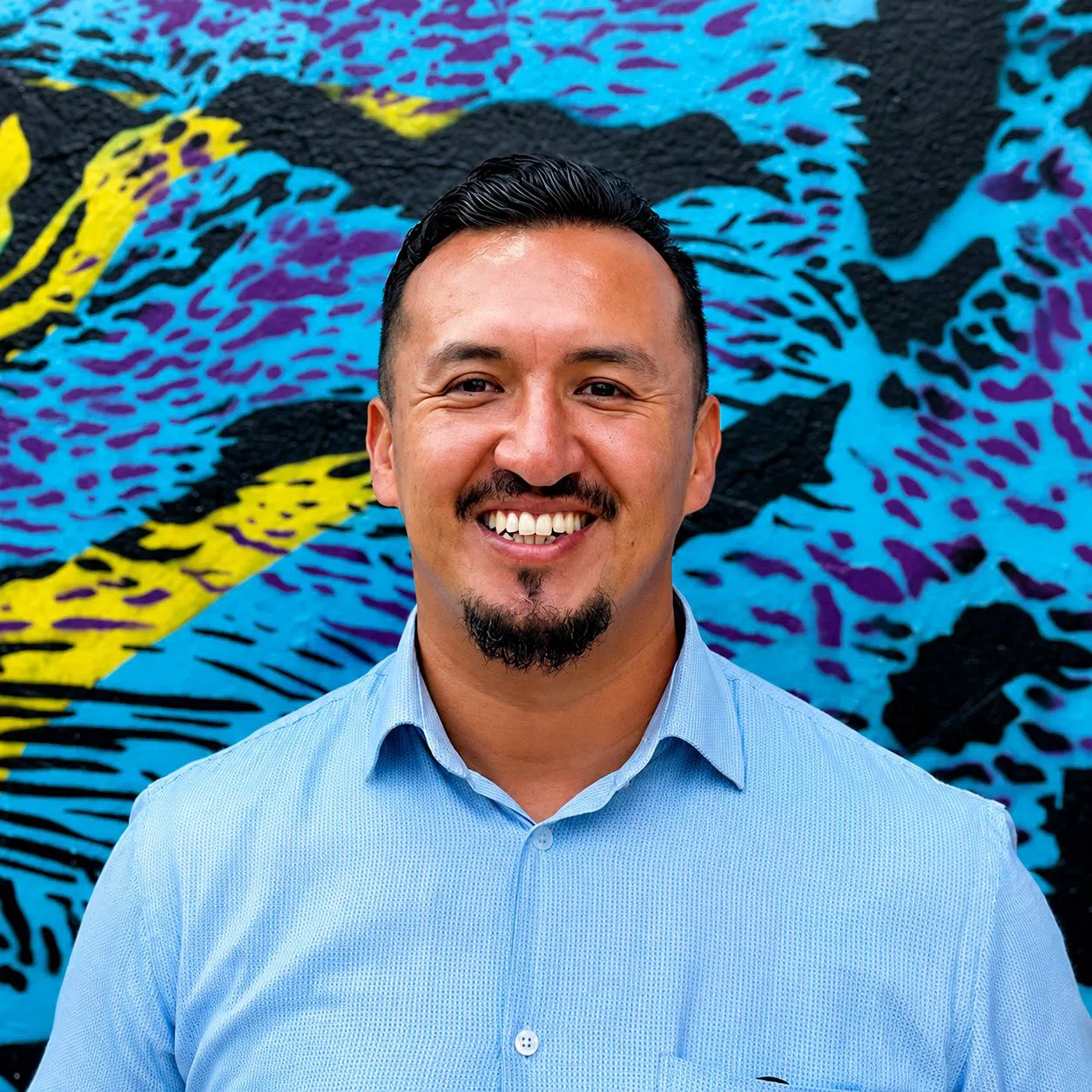
The Original Bogotá Graffiti Tour (La Candelaria) is the benchmark and the sensible first move. Running since 2011 and still the highest-rated street-art thing to do in the city, it sets out daily as a shared walk at 10am and 2pm, with dedicated school and private group bookings arranged over WhatsApp. It is free to join on a tip basis — budget a suggested tip of around COP 60,000 (about $15 USD) per person, more if it earns it — with private and workshop formats costing extra. Take the 10am slot: the light is better, the centre is quieter, and you will have the afternoon to revisit the pieces that stayed with you. This tour is genuinely excellent for groups and the cleanest introduction to how the scene fits together.
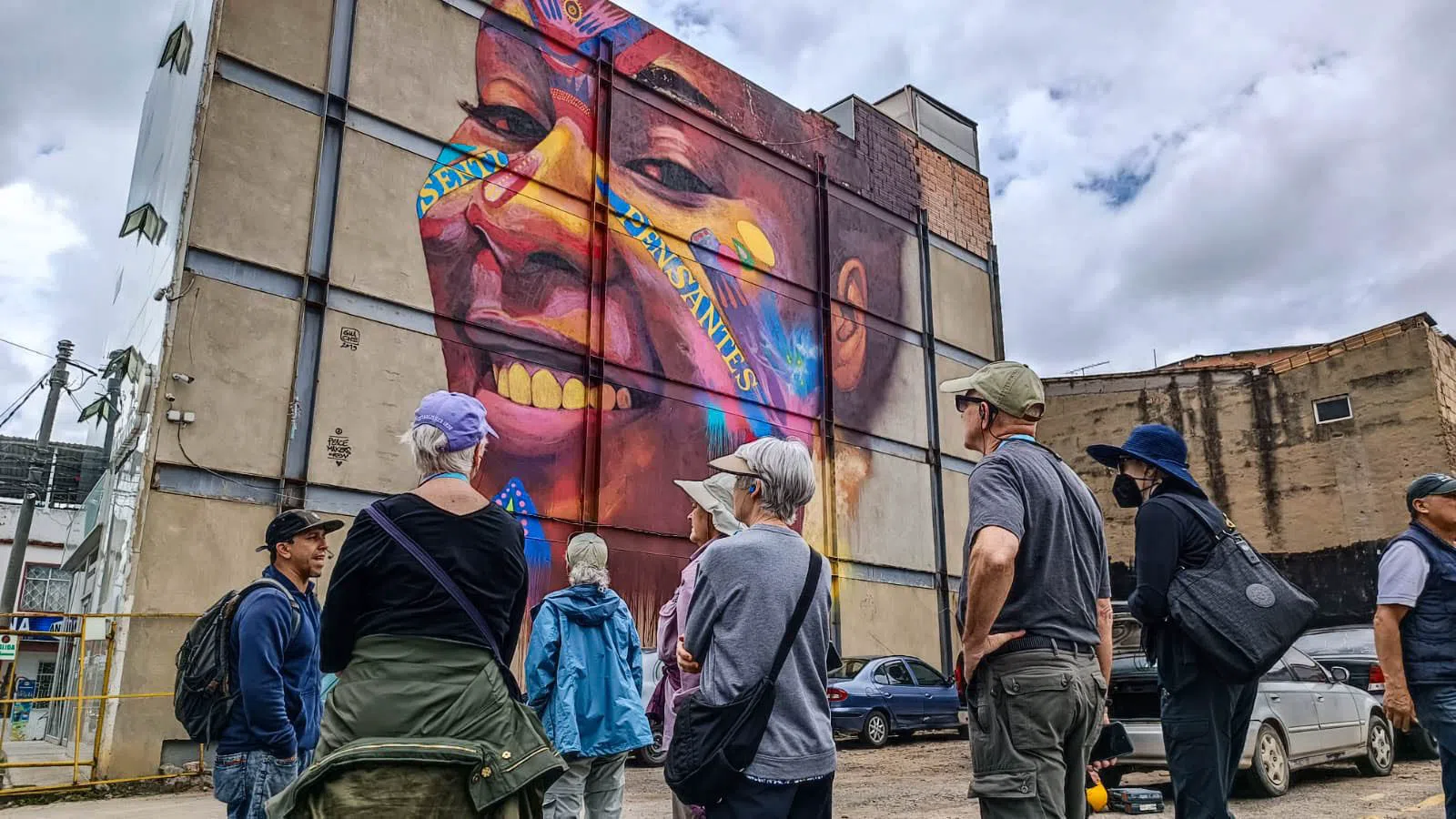
If you would rather hear from the people holding the cans, book Capital Graffiti Tours. It is artist- and promoter-run, which changes the register entirely — you get the makers' perspective rather than a guide's summary, and your tips fund new legal walls, so the money loops straight back into the thing you came to see. The walk itself is free and tip-based; the standout is the add-on workshop at roughly COP 140,000–240,000 (about $35–60 USD). It runs shared, private and workshop formats and handles students, families and groups of friends comfortably. This is the pick when you want the scene explained by someone still painting in it.
For a slower, more thoughtful read, Impulse Travel's Capital Street Art Tour leans hard into the political and social story behind the paint. It is a paid tour — roughly COP 120,000–200,000 (about $30–50 USD) per person — run by a certified B-Corp social enterprise that takes private groups and keeps numbers down, so it feels more curated and far less crowded than the free walks. Choose this if you find the free tours too brisk and you want the deeper, more uncomfortable context: displacement, memory, who gets to paint where and why.
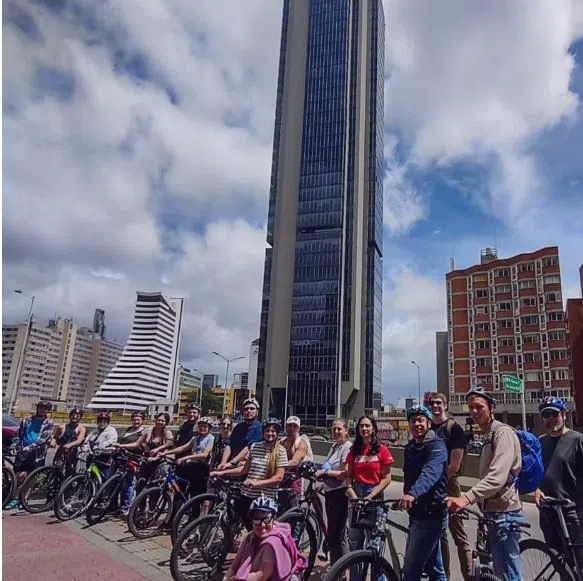
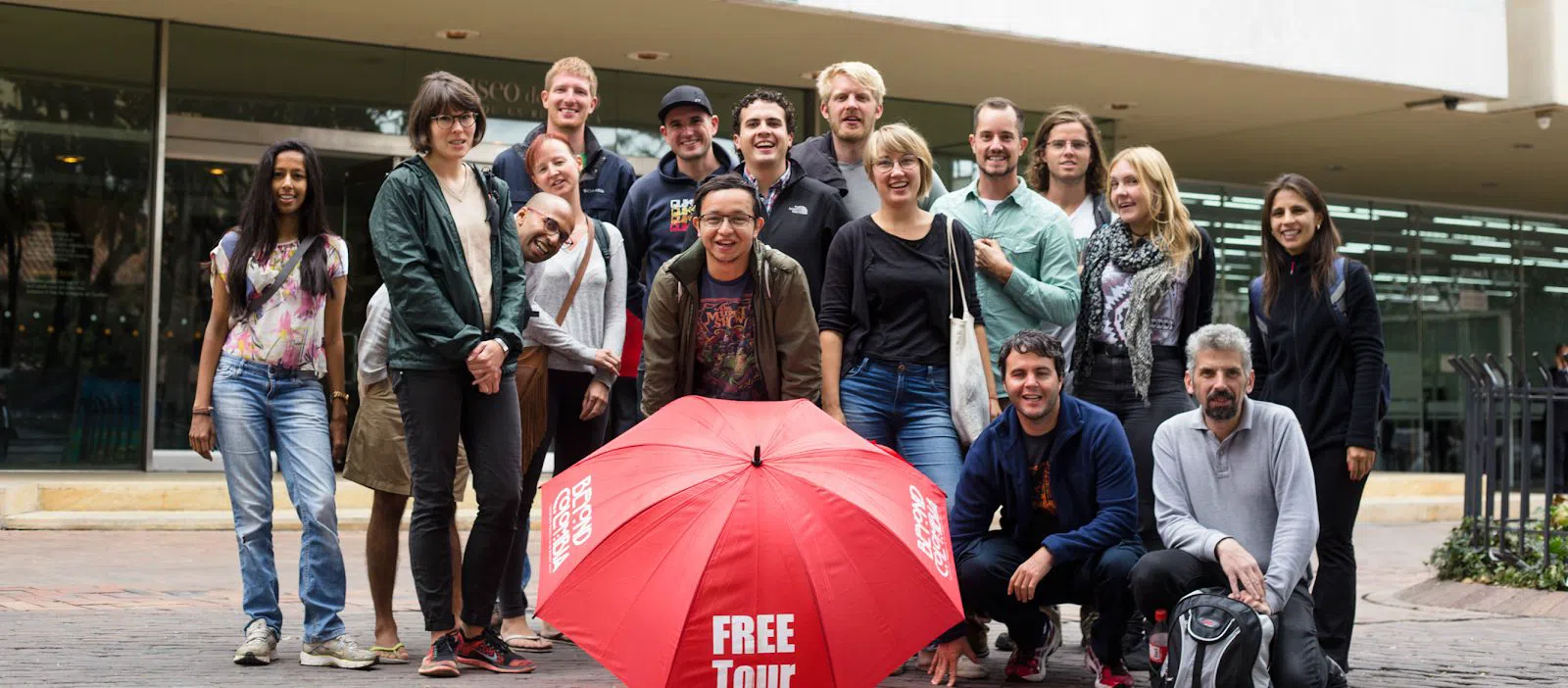
And if you are watching the budget without wanting to sacrifice organisation, Beyond Colombia's Free Graffiti Tour is the reliable, well-run free-walking-tour option. It is free on a tip basis and built for groups; book ahead in high season because the daily slots fill. The same operator runs the Ciudad Bolívar cable-car trip covered below, so it is an easy one-stop booking if you want to pair the centre with the hillside barrio.
Before you set out, it is worth skimming the wider Bogota guide for how the neighbourhoods connect — the street art sits inside a city, and knowing which districts run into which will save you doubling back.
Plan your Bogota trip
Live prices from our booking partners.
Free cancellation on many rooms. We may earn a commission when you book.
The historic heart, on foot: La Candelaria and La Macarena
The densest, most walkable street art in the city is right in the old centre, and you can wander it freely once a tour has shown you the lay of the land.
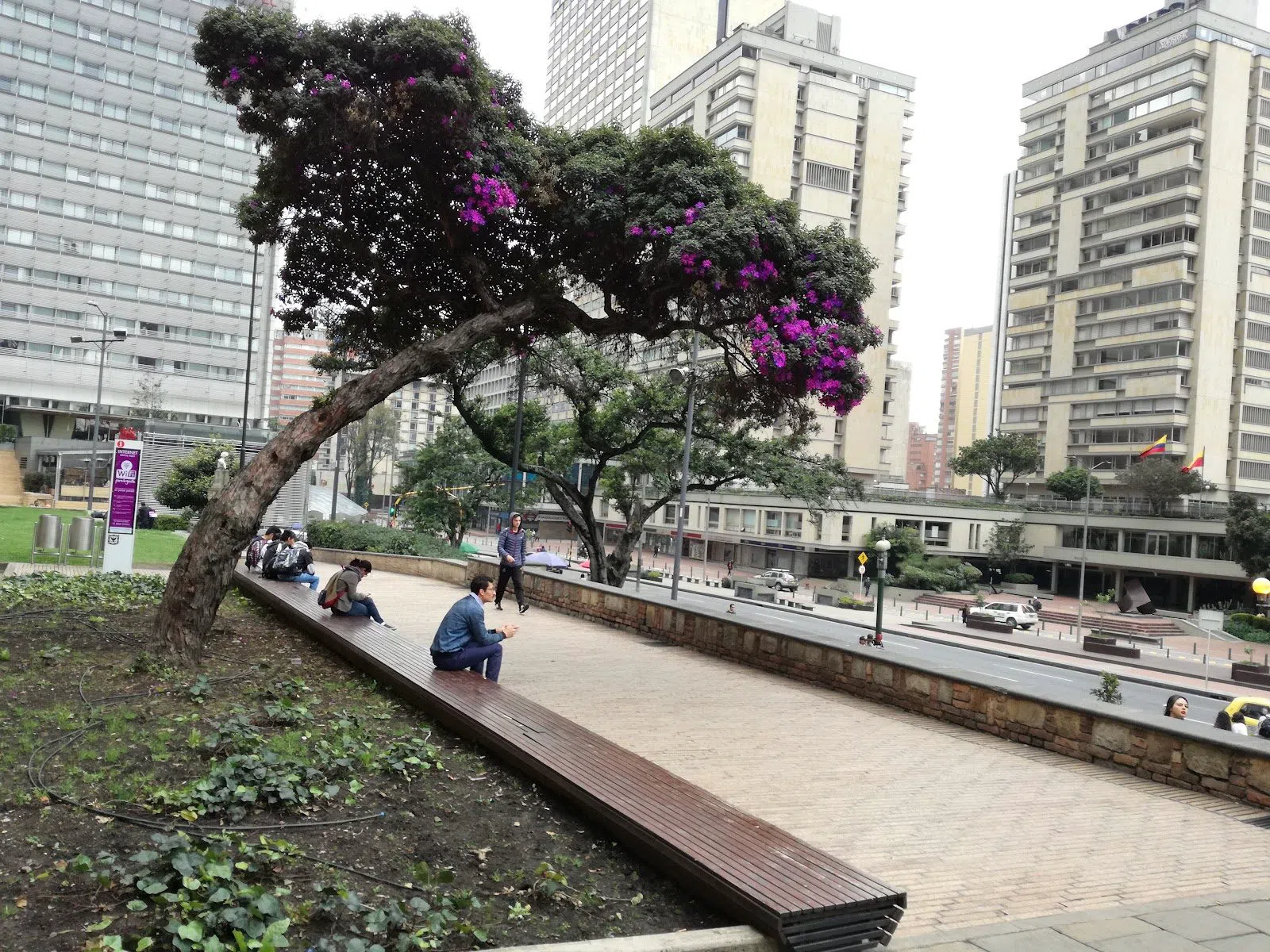
La Candelaria (historic centre) has the highest concentration of street art in Bogotá, and it is fully public and walkable for a group of any size. This is the everyday heart of the scene: world-class murals by Guache, Rodez and the sharp political stencils of DjLu sit beside cafés, colonial doorways and church steps, so the art never feels quarantined into a gallery — it is simply part of the fabric of the barrio. Walk it in daylight, keep your phone away from the quieter uphill edges near the eastern mountains, and give yourself an unhurried hour or two after your tour to go back to the pieces you skimmed the first time. It costs nothing to roam.
A short way west, La Macarena (bohemian art district) is where street art meets the formal gallery scene. It is a public, walkable neighbourhood, free to wander, and its galleries suit couples and small groups far better than a coach party — this is a quieter, more grown-up afternoon. Pair a slow mural walk with a stop at the reborn Alonso Garcés gallery for a curated counterpoint to the aerosol outside, then stay for a long lunch; La Macarena's restaurants are among the better ones in the centre. If La Candelaria is the loud, crowded thesis of Bogotá's street art, La Macarena is the considered footnote.
Where the scene turns professional: Distrito Graffiti and Vértigo
Beyond the historic centre, the art scales up and gets serious — this is where you photograph and where you understand who the professionals are.
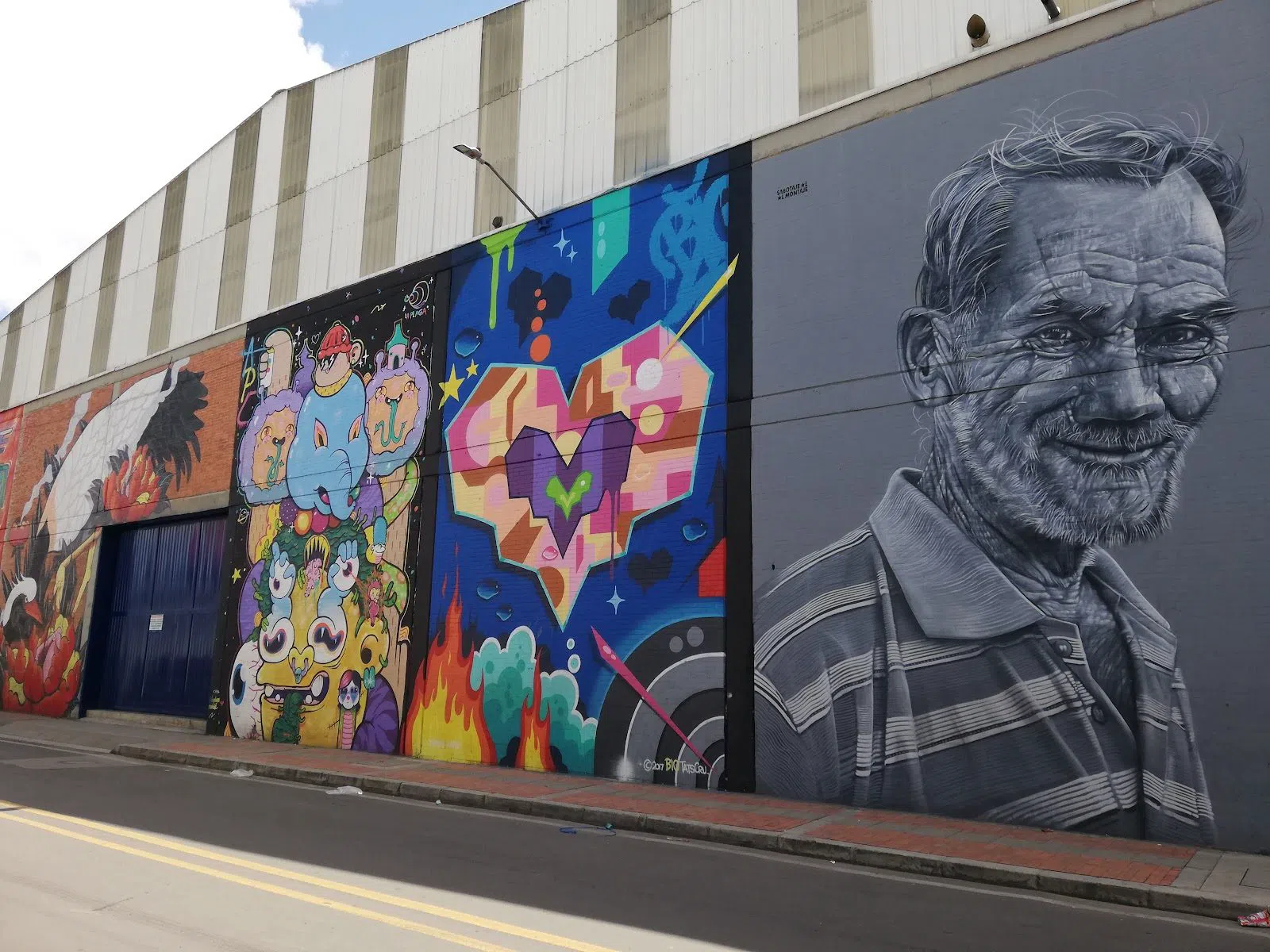
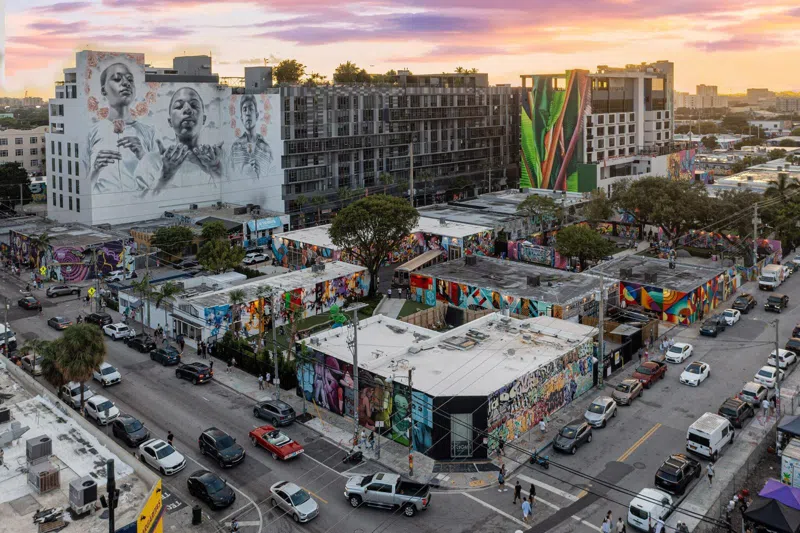
Distrito Graffiti (Puente Aranda) is the spectacle piece: Bogotá's answer to the big legal-wall districts of Miami or Brooklyn, a gritty industrial zone reborn as block after block of huge-scale murals. The streets are public and free to walk, and technically you can roam solo or with any group — but this is an out-of-the-way working-industrial area, and it comes alive with context and with company. Join it via a tour, both for the story and for straightforward safety, rather than turning up alone with a camera. For photographers, it is the single most rewarding location in the city; come with a guide who can time your visit and point you at the pieces worth the frame.
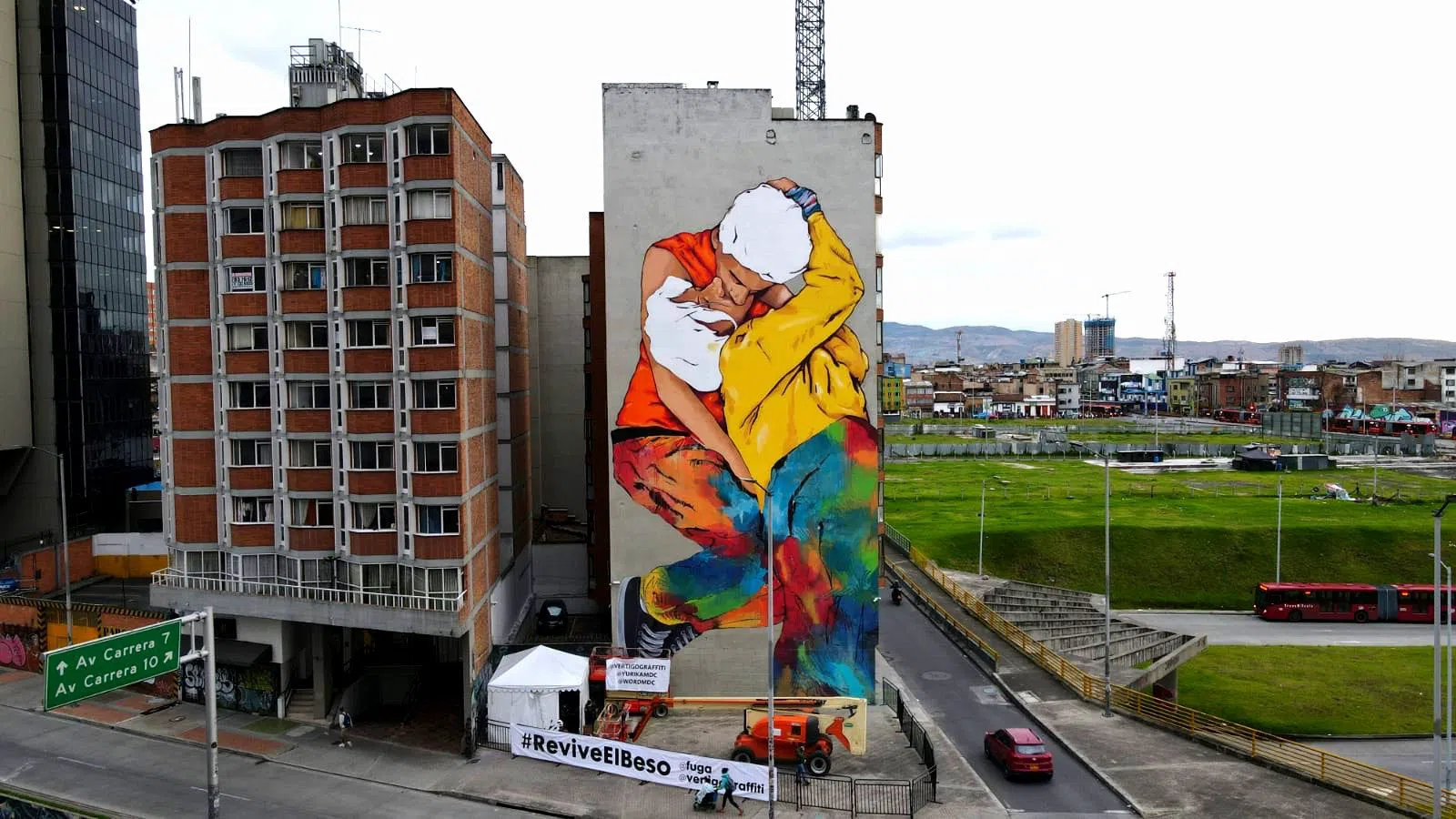
The collective behind much of that work keeps its studio elsewhere. Vértigo Graffiti (San Felipe) is the professional heart of the scene — the crew (Jade, Cazdos, Yurika, Ecks) whose murals anchor Distrito Graffiti, working here on commissioned projects and gallery pieces. It welcomes small groups for gallery visits, but hours vary, so check ahead before you make the trip; this is a working studio, not a walk-in attraction. Time your visit for San Felipe's monthly Art Night, when the whole gallery district opens its doors and the neighbourhood turns into an open-air evening of art — the single best window to see Vértigo in its element. Visiting is free; the artwork is for sale if a piece won't let you leave without it.
Up the cable car: Ciudad Bolívar
The most moving half-day in Bogotá's street art is also the one most visitors never take, and it comes with a firm rule attached.
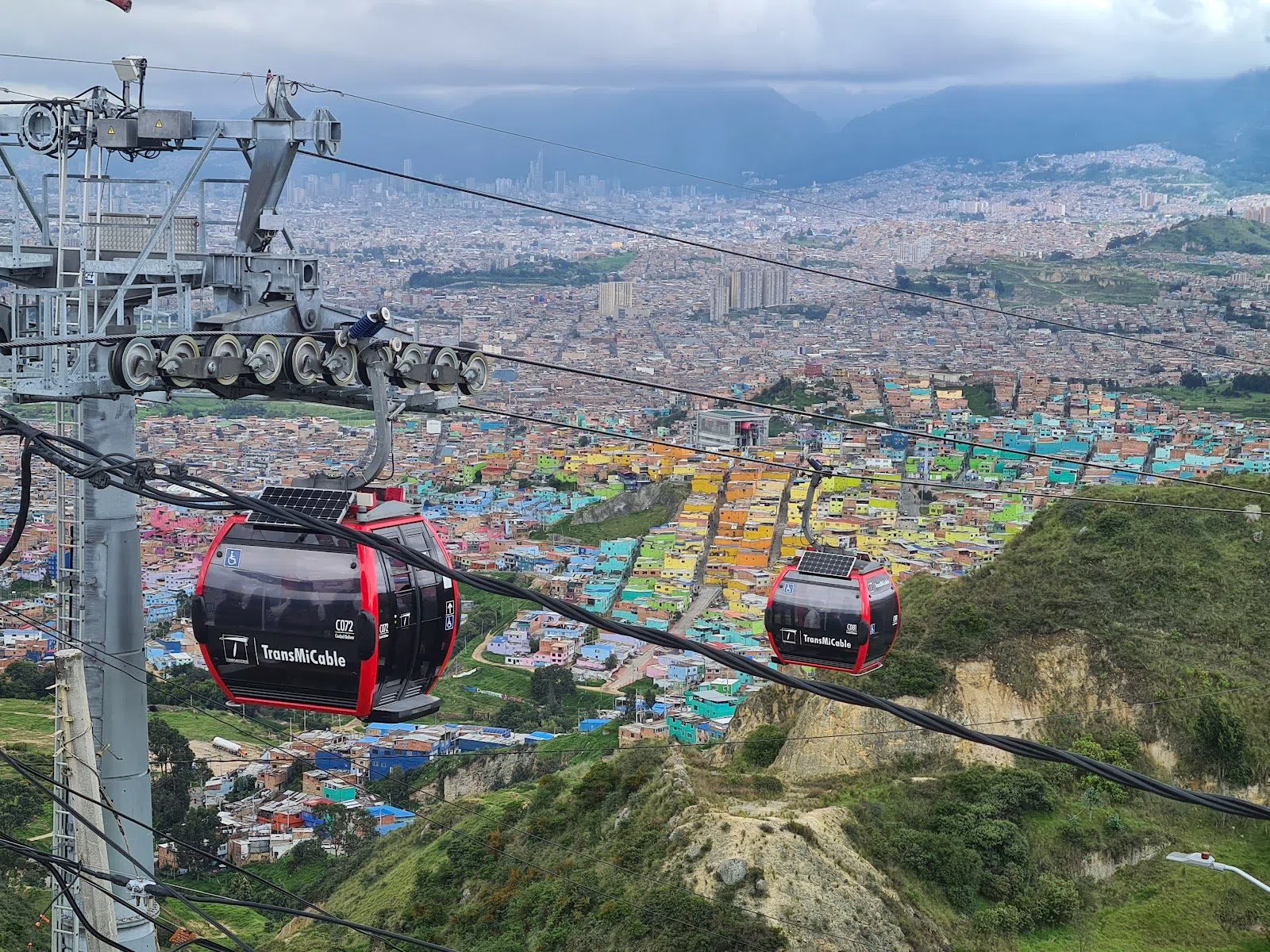
Ciudad Bolívar – El Paraíso (reached by the TransMiCable cable car) is the community-led counterpoint to the tourist centre — a hillside barrio where you ride the cable car up over rooftops to reach murals painted by and for the people who live there, alongside a community stencil workshop and a genuine social-tourism project. This is not a solo excursion: go only with an organised group trip, run by Beyond Colombia and others, at roughly COP 100,000–180,000 (about $25–45 USD) for the guided tour, with the cable-car fare itself minimal on top. The reward is perspective — after the polished walls of the centre, El Paraíso shows you street art doing the work it was invented for, telling a neighbourhood's own story back to itself. Book it as a dedicated trip, wear something warm for the ride, and let the guide set the pace.
Make your own: the aerosol workshop
If you would rather come home with paint on your hands than only photos on your phone, book the Fun Graffiti Workshop: The Art of Aerosol and Color. It is the most hands-on entry to the scene — you leave having painted your own name in gradient and 3D, taught by working local artists — and it is priced at roughly COP 140,000–220,000 (about $35–55 USD) per person. It is genuinely open to all ages and skill levels and is built for groups, families and students, so it works whether you are travelling with kids or with friends who have never held a spray can. Do it after a walking tour, not before: an hour of watching the professionals first makes the workshop land far harder, and you will attempt something braver on your own wall.
A sensible route through it all
If you have two days, spend the first in the centre — a morning tour of La Candelaria, an afternoon wander into La Macarena — and give the second to the bigger scene: Distrito Graffiti and, hours permitting, Vértigo Graffiti in San Felipe, with the aerosol workshop slotted in wherever your energy is highest. Save the Ciudad Bolívar cable-car trip for a morning when the weather is clear; the views up there make or break it, and low cloud will cost you both the murals and the panorama.
The practical bit
Altitude first. Bogotá is high — 2,640 metres — and street-art days are walking days, often uphill on the eastern edge of the centre. Give yourself an easy first day, drink more water than you think you need, and go slower than your legs want; the thin air catches out people who arrive and immediately march.
Cash and tipping. The currency is the Colombian peso (COP). The free tours run entirely on tips, so carry small notes — there is no card machine on a walking tour, and rounding up in cash is the whole economic model that keeps them free. For paid tours and workshops, most operators take card or transfer, but confirm when you book, and keep pesos on hand for lunch, the cable car and the odd print you'll be tempted by.
Timing. Mornings are clearer and calmer; the light is best before midday and the centre is emptier. Bogotá's weather turns fast, so pack a light rain layer year-round and treat any clear-sky morning as your cue to do the cable-car trip. High season fills the free tours — book ahead for Beyond Colombia and the workshops rather than assuming a walk-up spot.
Safety and groups. The centre is fine on foot in daylight with normal city sense; Distrito Graffiti and especially Ciudad Bolívar are the two places to see with a guide rather than solo. Note which experiences suit whom: the free walks and the workshop are excellent for groups and families, while La Macarena's galleries and the Impulse tour reward couples and small, quieter parties.
Budget. You can see the best of Bogotá's street art for the price of a couple of tips — the free tours ask around COP 60,000 (about $15 USD) each — or build a fuller two-day itinerary with a paid tour, a workshop and the cable-car trip for well under COP 500,000 a head. Either way it is one of the best-value cultural experiences in the city.
Where to stay. Base yourself in or near the historic centre or its quieter neighbouring districts so the walking tours start from your doorstep and you are not crossing the city each morning — compare options and areas through Bogota hotel search before you lock anything in.
Before you go
Do I need a guided tour to see Bogotá's street art, or can I go alone?
You can walk the public areas — La Candelaria, La Macarena and even Distrito Graffiti — for free on your own, but a guide is strongly worth it: the stories behind the murals are the point, and places like Distrito Graffiti and Ciudad Bolívar are safest and most rewarding with an organised group rather than solo.
How much do Bogotá graffiti tours cost in 2026?
The free walking tours (The Original Bogotá Graffiti Tour, Capital Graffiti Tours, Beyond Colombia) run on tips — budget around COP 60,000, about $15 USD, per person. Paid options like Impulse Travel run roughly COP 120,000–200,000 ($30–50 USD), and hands-on workshops around COP 140,000–240,000 ($35–60 USD).
Which tour is best if I want the artists' own perspective?
Capital Graffiti Tours is artist- and promoter-run, so you hear from people still painting in the scene, and tips fund new legal walls. For the deepest political and social context, Impulse Travel's paid Capital Street Art Tour, run by a B-Corp social enterprise, goes furthest.
Is it worth visiting Ciudad Bolívar by cable car?
Yes, but only with an organised tour — never solo. Operators like Beyond Colombia run guided trips (roughly COP 100,000–180,000, about $25–45 USD) up the TransMiCable to the El Paraíso barrio for hillside murals and a community project. Go on a clear morning, as low cloud will cost you both the art and the views.
Can I try spray-painting a mural myself in Bogotá?
Yes. The Fun Graffiti Workshop: The Art of Aerosol and Color (about COP 140,000–220,000, or $35–55 USD) is open to all ages and skill levels and is taught by working local artists — you leave having painted your own name in gradient and 3D. Do it after a walking tour so you know what you're attempting.