The Bogota issue
The Fruit That Has No Translation: Bogotá's Market Stalls and the Juice Bar Ritual
A Colombian writer's honest, stall-by-stall guide to Bogotá's exotic fruit — where to taste lulo, curuba and mangostino, and how to order a jugo like a local.
By Julián OspinaBogotá eaten from the market counter up
My grandmother could name a fruit by its weight in her palm before she ever cut it open — the give of a good mango biche, the perfume a curuba releases only when it is ready. In Bogotá, that knowledge lives in the markets, in the hands of vendors who will slice you a wedge of something you have no word for and watch your face while you chew. This is a city where the fruit genuinely has no translation, and the honest thing to do is stop reaching for one — a lulo is not a "green tomato," a mangostino is not a "mangosteen substitute," and a good jugo natural is a small, daily ceremony worth building an afternoon around.
Start at the source: the markets
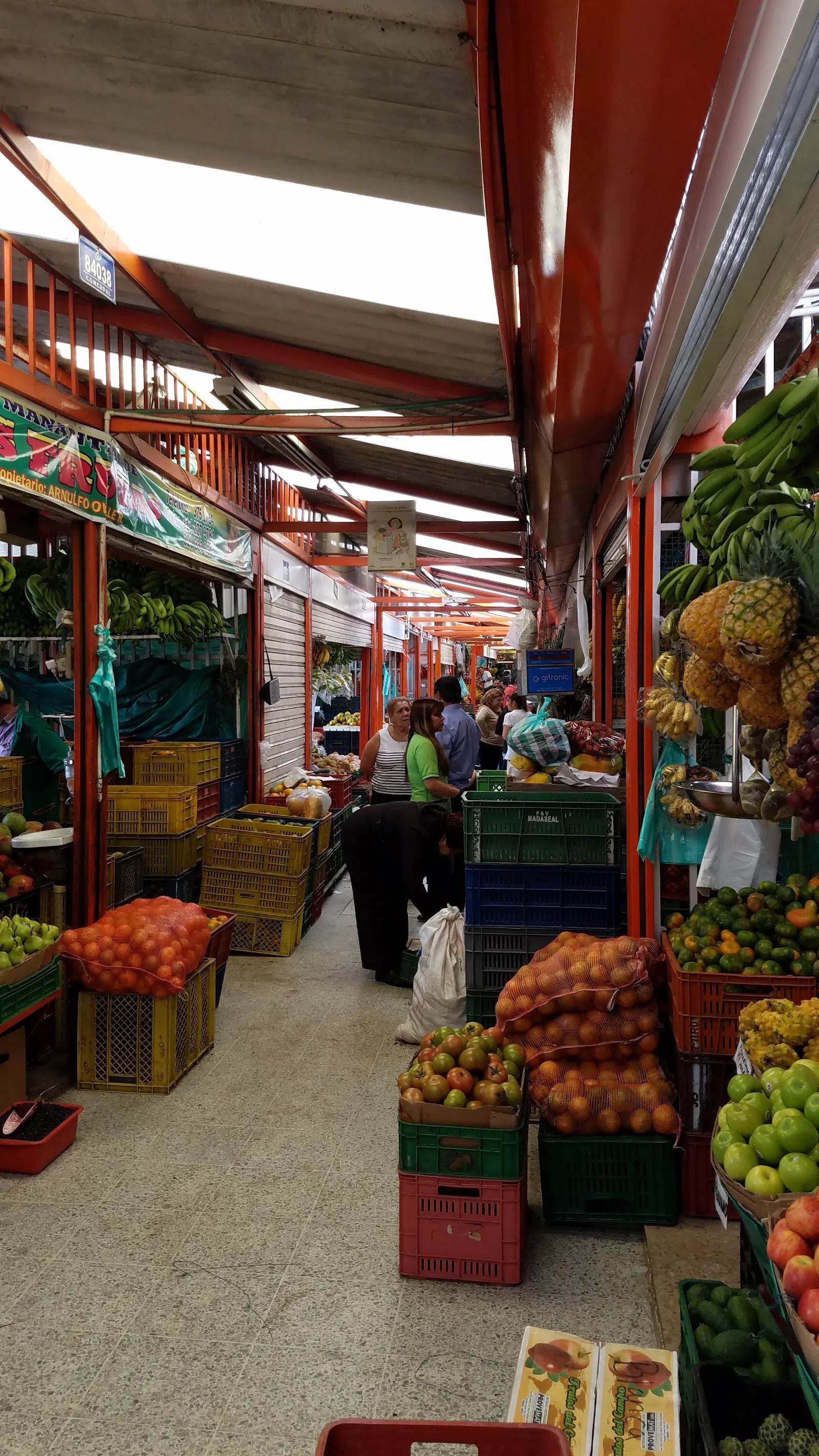
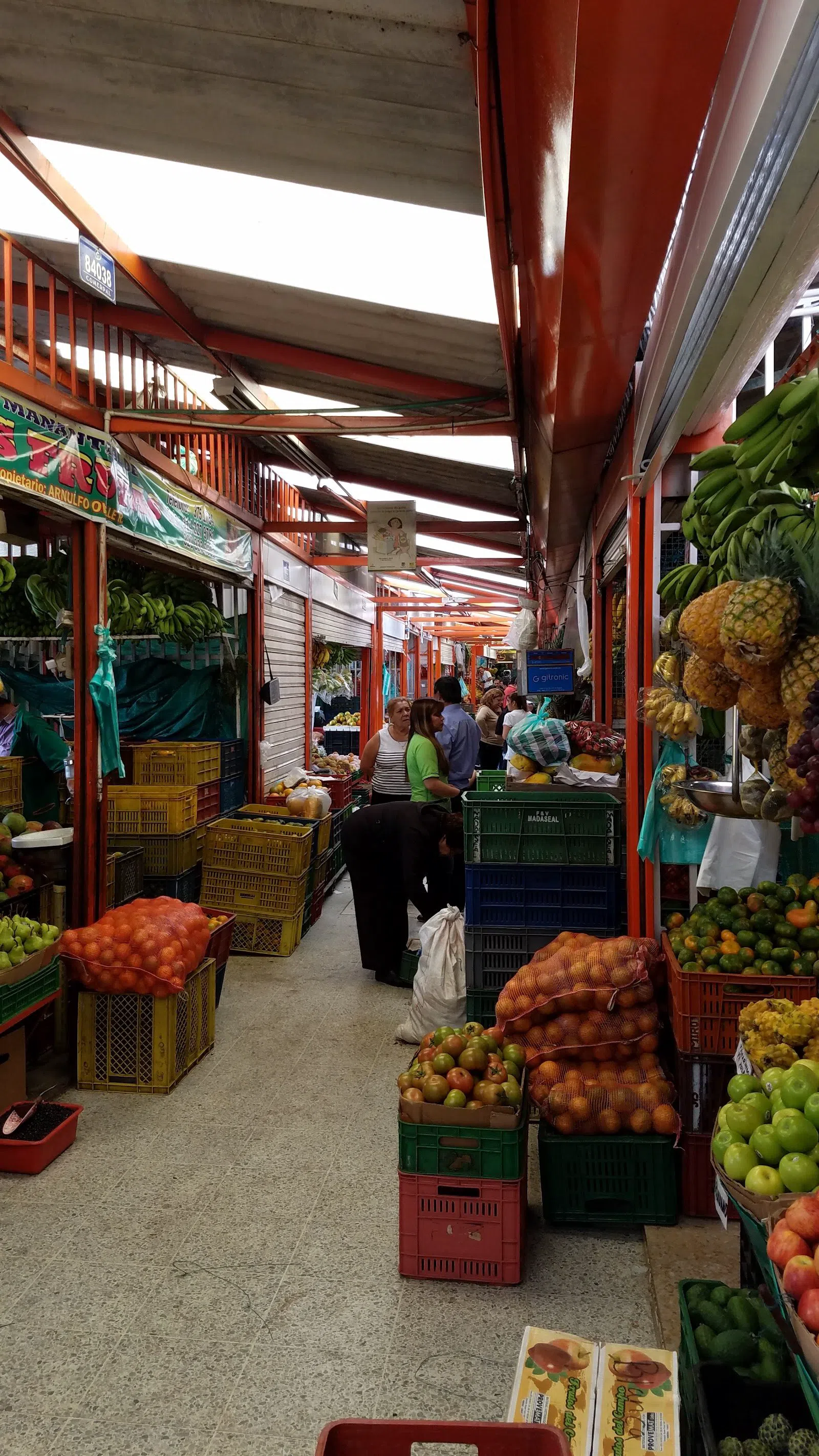
If you do one thing with your fruit-curious morning, make it Plaza de Mercado Paloquemao (in the Paloquemao district, west of the centre). This is Bogotá's largest and most iconic market, and there is no better single place in the country to meet Colombia's exotic fruit face to face. Entry is free, you walk straight in with no door policy, and the aisles are wide enough that a group of six or eight can move together without losing anyone — though I'd urge you to come on a weekday morning, when the crowds thin and the vendors have time for you. That time matters, because the real magic here is the sampling: stallholders will cut open a granadilla, a mangostino, a guama, and hand you a piece across the counter for nothing, purely to see whether you'll flinch or grin. Whole fruit costs a few thousand pesos; a cut-fruit cup runs roughly COP 8,000–15,000. Buy the cup, and let the vendor choose what's ripe that day rather than pointing at the prettiest.
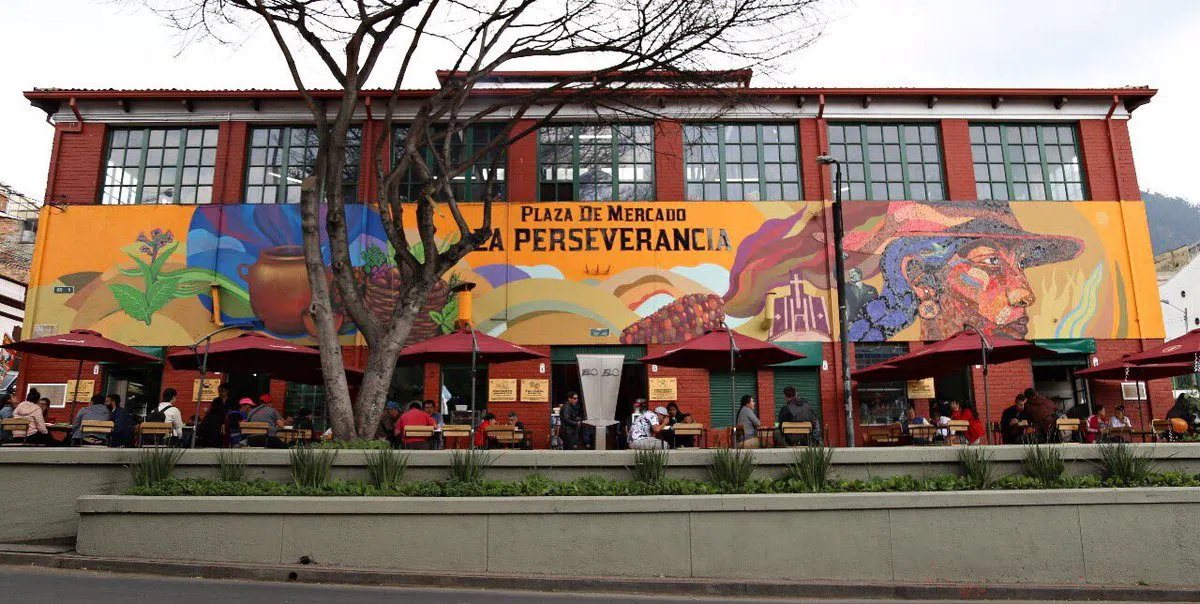
A short trip east brings you to Plaza de Mercado La Perseverancia (in the La Perseverancia barrio, near the Centro Internacional). This is the classic neighbourhood market — the one Netflix's Street Food put on the map — and it feels it: smaller stalls, cooks who know their regulars, the smell of ajiaco thick in the air by mid-morning. Come early. The counters seat only a few at a time, and while the cooks will happily feed a group, the trick is to split across two or three counters rather than crowd one. Ask for a jugo natural — a lulo blended sharp and green, or a mora (blackberry) that stains your lip — at Frutería La Especial or at Yoli's stall; a juice lands around COP 5,000–9,000, and a full lunch of ajiaco and juice rarely tops COP 25,000. This is the cheapest, most local juice ritual in the city, and my favourite for exactly that reason.
For a gentler introduction, Plaza de Mercado de Usaquén (in Usaquén, the cobbled colonial quarter to the north) is the polished, tourist-friendly option, and I mean that as a genuine recommendation rather than a snub. The produce hall leans organic, entry is free, and juices or fruit cups run a little higher — roughly COP 10,000–18,000 — because you're paying for the neighbourhood as much as the fruit. What makes it worth the trip is the surroundings: on Sundays the famous Usaquén flea market spills through the streets, and the district's cafés absorb groups of any size with ease. If your travelling party is large, nervous, or short on market stamina, start here.
Plan your Bogota trip
Live prices from our booking partners.
Free cancellation on many rooms. We may earn a commission when you book.
The juice bar ritual and the neighbourhood fruterías
The market is where the fruit lives, but the ritual — the daily, unremarkable act of drinking it — happens at the frutería, the corner juice counter that every Colombian neighbourhood keeps like a shrine. My family measured afternoons in these places, and I still judge a barrio by whether its frutería knows how to make a proper salpicón.
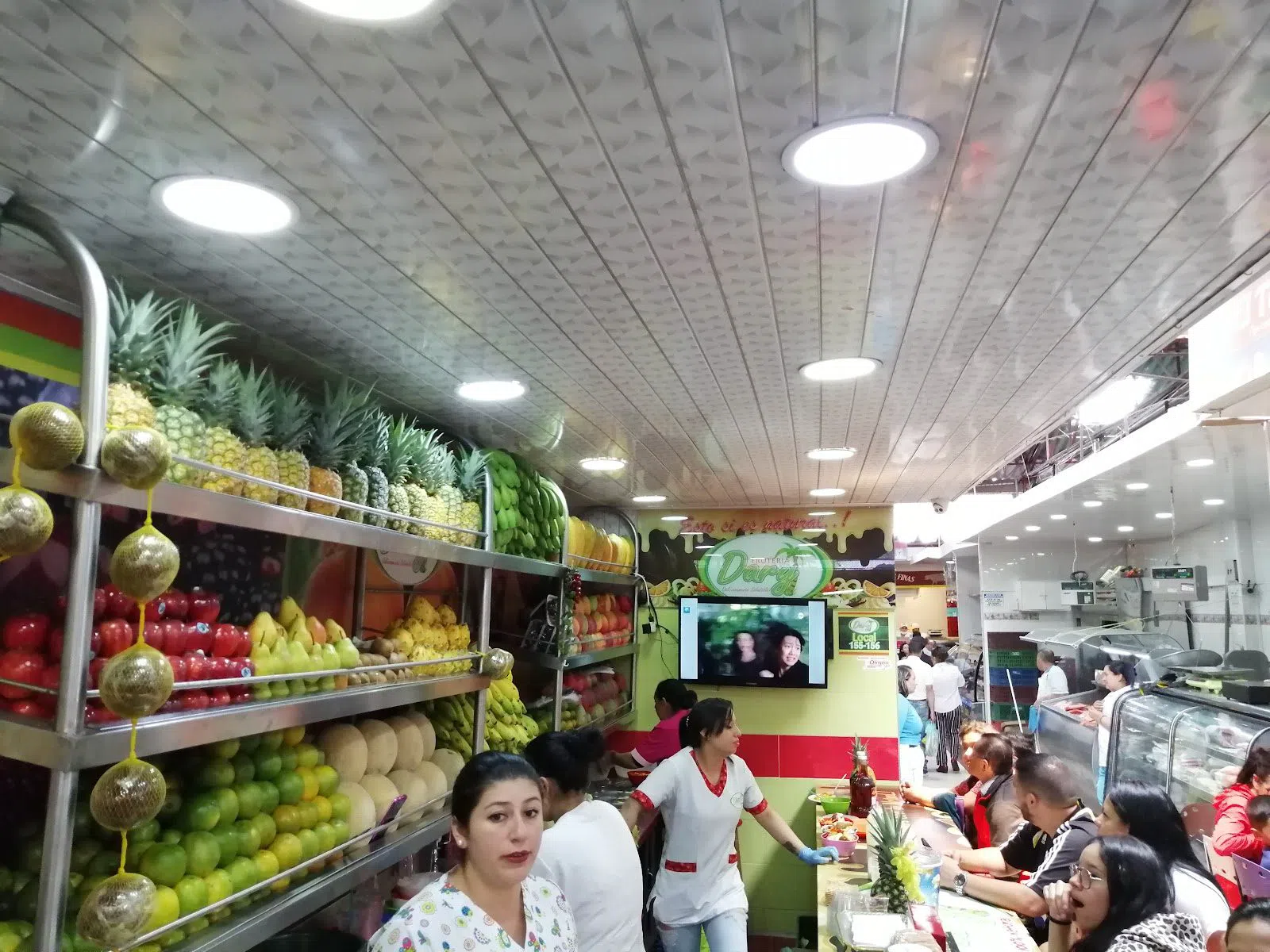
For that salpicón, go to Frutería Dary, a beloved, informal walk-in counter. Order the natural salpicón — a bowl of chopped fruit swimming in papaya-and-orange juice, cool and honest — and firmly ignore the neon-red "essencia" version they'll wave at you near the door, which is all sugar and food colouring and none of the point. Salpicón or a fresh juice runs about COP 12,000–20,000. It's fine for a few friends, takes no bookings, and rewards the person who orders like they've been coming for years.
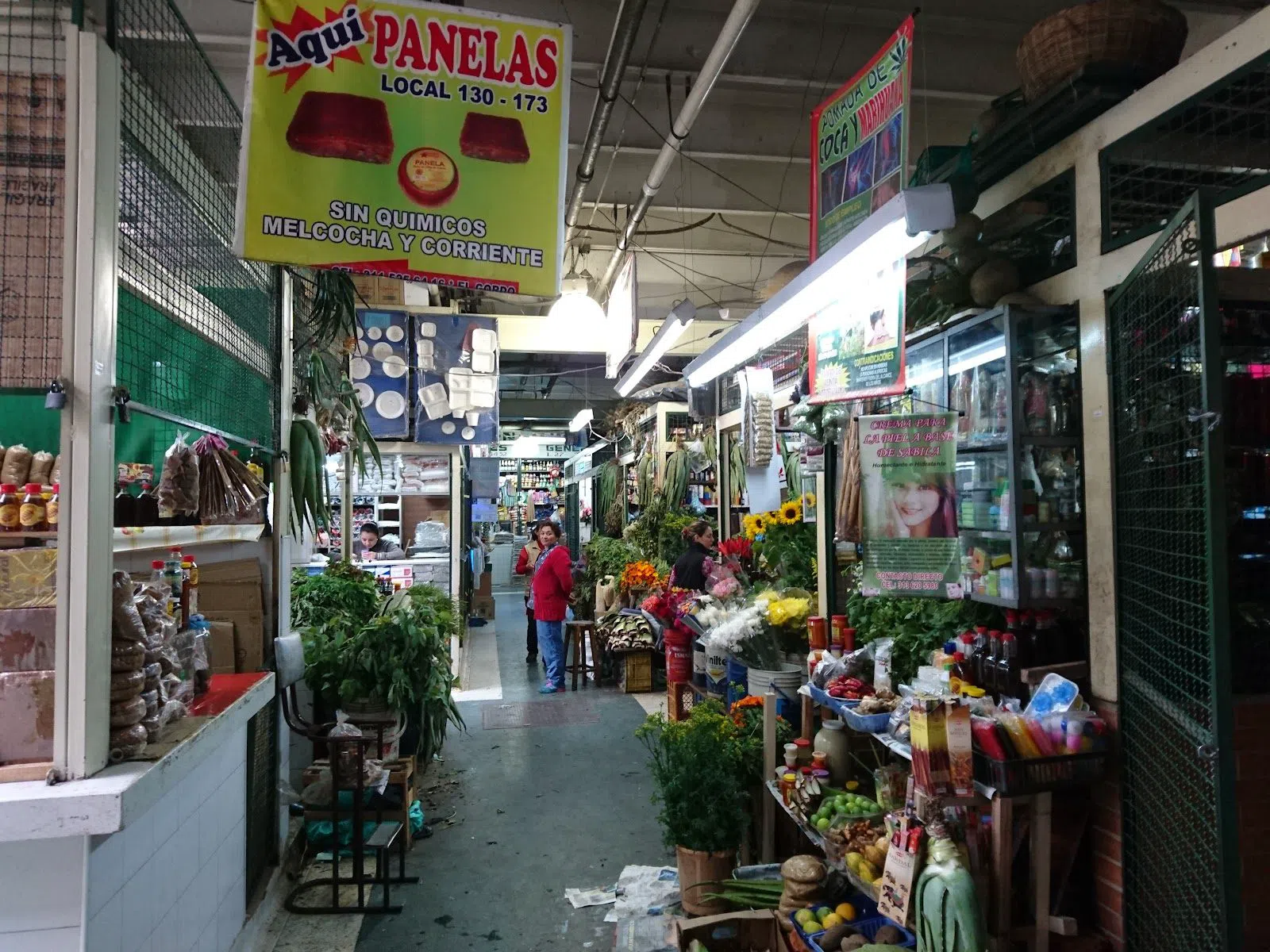
If you're willing to travel south for something genuinely non-touristy, Frutería Doña Mercedes (a stall inside the Plaza del Restrepo, in the working-class Restrepo district) is worth the trek. This is a Restrepo institution that has served the same 17-fruit ensalada de frutas for decades — the recipe unchanged, the portions generous, roughly COP 12,000–18,000 for a bowl. It's a market stall, so it's cash-friendly and can handle a handful of people rather than a coach party. You will not find another tourist here, and that is exactly the reason to go.
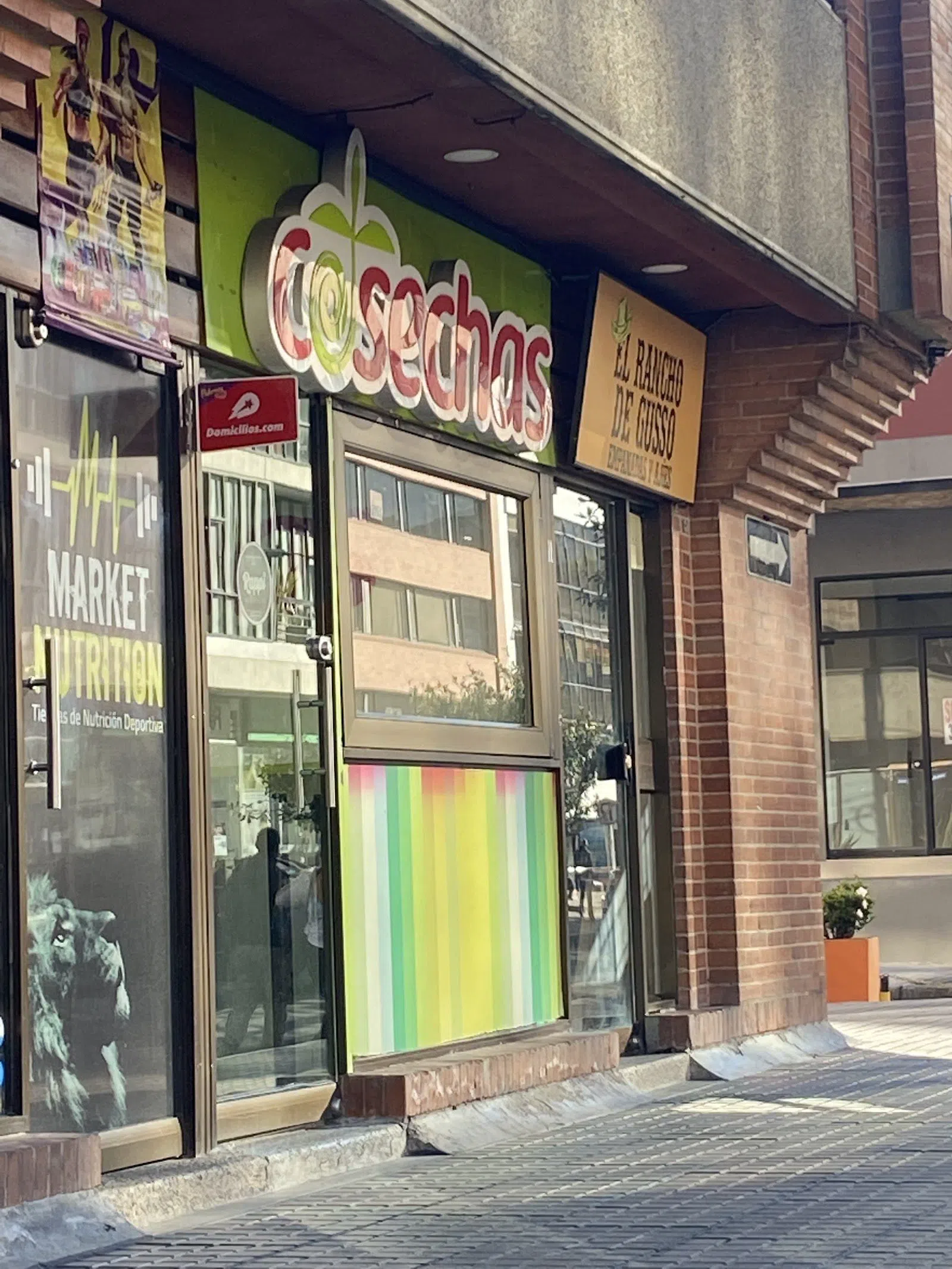
When you don't have a market morning to spare, the ritual scales down to the chain on the corner. Cosechas (found, as locals joke, on almost every corner in Bogotá) is the ubiquitous Colombian juice chain — reliable, cheap at roughly COP 8,000–15,000, and quietly adventurous. This is where I'd send a first-timer to try the exotic-fruit-and-milk blends — a borojó, a zapote, a lulo with milk — without the commitment of a market. It's quick-service counter work with essentially no seating, which makes it easy for a group to grab-and-go and impossible for a group to linger.
For something a touch more considered, Juice House Bogotá (in the La Estancia neighbourhood) is a small, locally loved juice bar doing fresh juices, smoothies and shakes to order at the counter. It's Instagram-run and best suited to a pair or a small group rather than a crowd — a good stop if you want your fruit blended with a little more polish and a little less chaos than a market stall delivers.

Sit down and make a meal of it
Not every fruit encounter needs to happen standing up with juice on your wrist. Three places let you build a proper, seated meal around Colombian fruit, each suiting a different kind of traveller.
Suna Restaurante y Mercado is the polished, English-friendly choice: an organic, farm-to-table restaurant with an attached market, open early to late most days. It takes reservations and handles groups comfortably, which makes it the safest pick when you're coordinating a larger party or someone in the group wants a knife-and-fork meal rather than a market adventure. Juices land around COP 12,000–18,000, with mains in the mid-range. Book ahead if you're more than four.
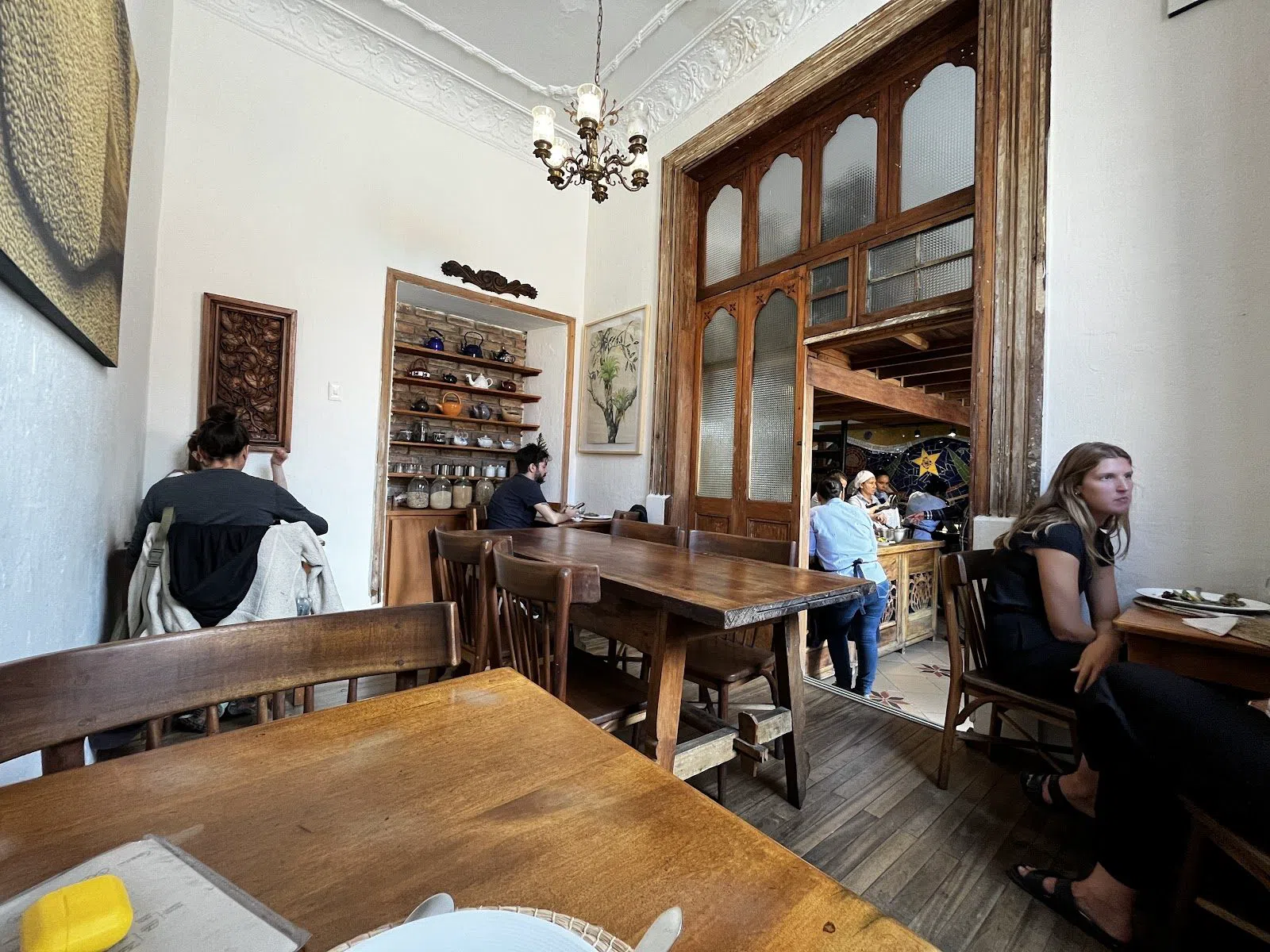
Quinua y Amaranto (in the historic centre, La Candelaria) is the value-and-values pick — a long-running organic vegetarian favourite going since 2005, where a fresh juice comes bundled with the daily set lunch. Reckon on COP 25,000–35,000 for the full menú with juice, less if you're only drinking. It's small and it fills fast at lunch, so arrive early; small groups are fine, big ones will struggle for a table. For anyone with dietary needs or a tight budget, this is the one.
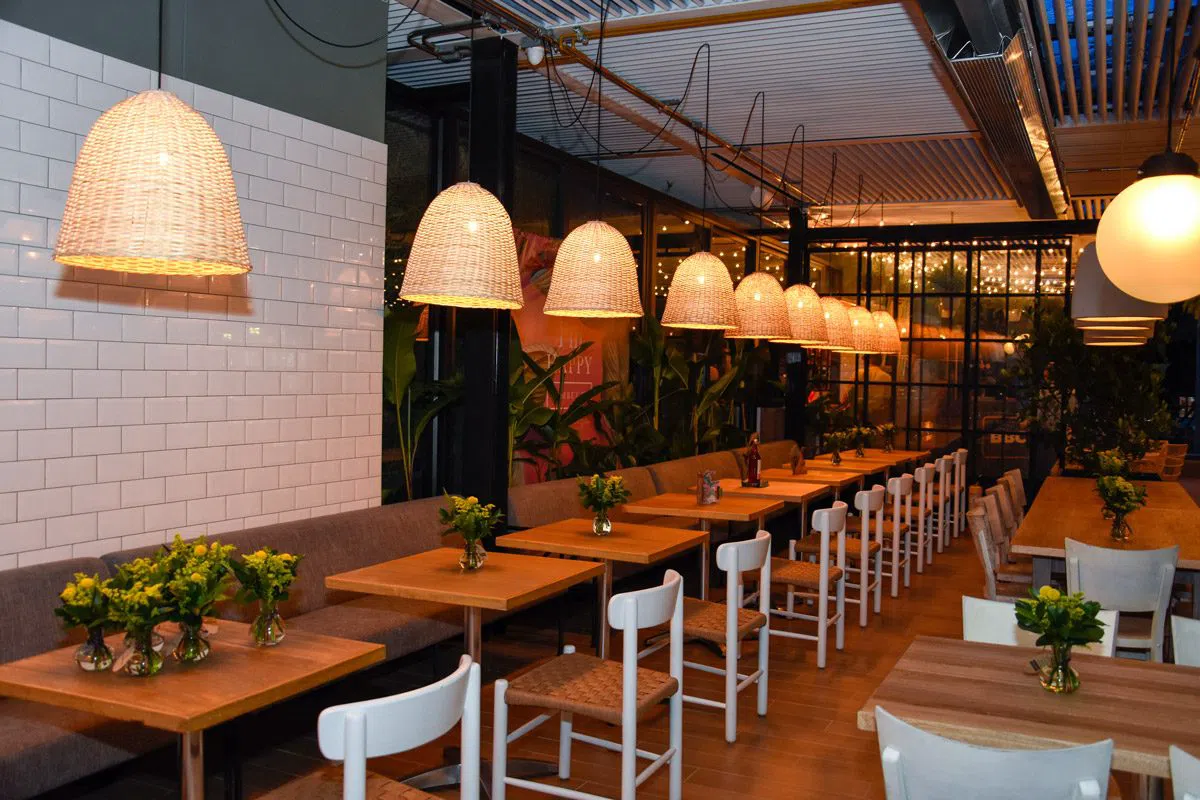
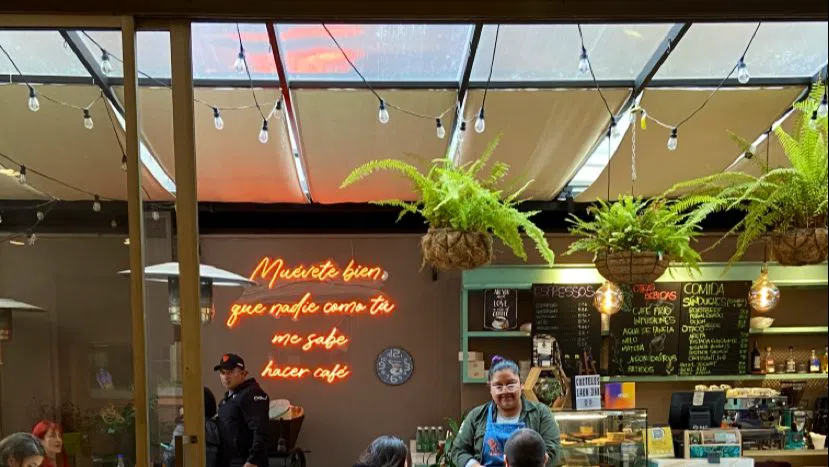
Vida Café & Jardín earns its place on view rather than fruit depth — a relaxed, photogenic patio café doing fresh-squeezed juice and coffee at around COP 10,000–16,000. It's a leisurely, walk-in, group-friendly spot for a slow morning, not a serious market alternative. Come for the setting and the squeeze, not for a lesson in the exotic.
Let someone decode it for you
There is no shame in wanting a guide the first time. Twenty unfamiliar fruits, a market that runs on Spanish and instinct, vendors moving fast — it can overwhelm anyone, and a good guide turns the guessing into a tasting.
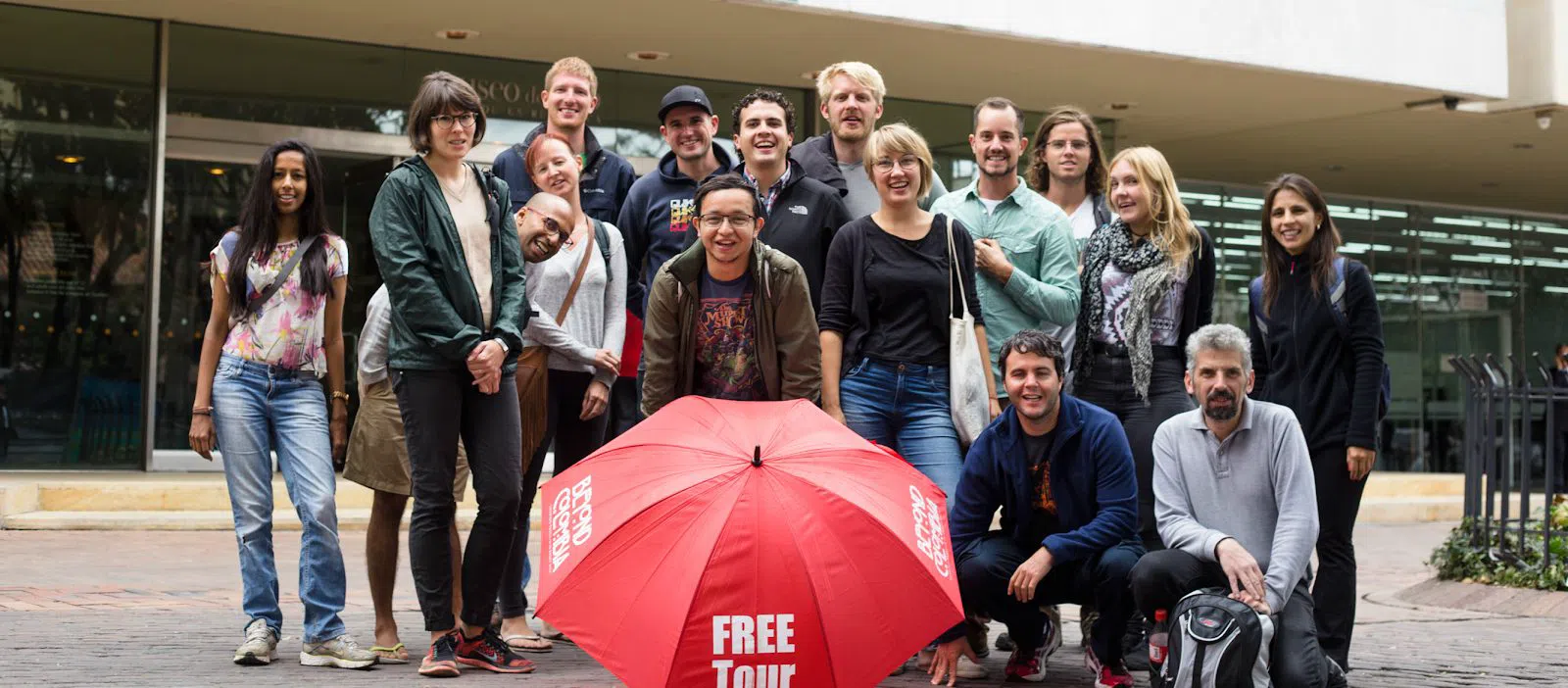
The Fruit Tour at Paloquemao (run by Beyond Colombia) is the best-reviewed way to do exactly that. It's a small-group format built for tasting — minimum two people, booked the day before, roughly COP 150,000–300,000 per person — and it's ideal for an international traveller who feels shy about pointing at the unknown. You'll leave able to tell a curuba from a granadilla and to order without a menu, which is worth far more than the price on any later trip to a market.
If your group is larger, or you simply want an operator who reliably accommodates a crowd, Impulse Travel's Paloquemao Fruit & Market Tour is the strong second option. It's an explicitly group-oriented, responsible-tourism operator running both private and shared departures, at roughly COP 150,000–350,000 per person. Between the two, choose Beyond Colombia for intimacy and Impulse for logistics.
The practical bottom line
Timing. Markets are morning creatures. Get to Paloquemao or La Perseverancia by 8 or 9am on a weekday for the best fruit, the freshest juice and the fewest elbows. Usaquén is the exception — its market plus the Sunday flea market make a weekend afternoon there genuinely pleasant. Guided tours (Beyond Colombia, Impulse) both want booking the day before, so plan them a night ahead.
Cash. Carry small bills. The markets and southern stalls — Doña Mercedes especially — run on cash, and a vendor breaking a large note for a COP 8,000 fruit cup is a small daily friction you can avoid. The polished end (Suna, the tour operators) will take cards, but the soul of this ritual is a coin-and-note economy.
Budget. This is one of the great cheap pleasures of the city. A market fruit cup or a market juice sits between COP 5,000 and 15,000; a frutería salpicón or salad, COP 12,000–20,000; a full set lunch with juice at Quinua y Amaranto, COP 25,000–35,000. Guided tours are the outlier at COP 150,000–350,000 per person — worth it once, for the fluency it buys you.
Getting around. The northern spots (Usaquén, Suna) and the southern ones (Restrepo, Doña Mercedes) sit far apart, so don't try to chain them in one outing — pick a direction per day. Taxis booked through an app are the least stressful way to reach the further markets with a group, and Paloquemao and La Perseverancia are both close to the central spine of the city.
Sort your base first — somewhere central saves you an hour of traffic each morning, and you can compare options with a Bogota hotel search. For the wider city beyond the fruit — where to eat next, what else to see — lean on the full Bogota guide. But if you take one thing from a Colombian who grew up on this fruit, let it be this: don't ask what it tastes like. Ask the vendor its name, let them cut you a piece, and taste the thing itself.
Before you go
Which Bogotá market is best for trying exotic fruit for the first time?
Plaza de Mercado Paloquemao is the single best place — it's Bogotá's largest market, entry is free, and vendors freely hand out samples of granadilla, mangostino and more. Go on a weekday morning when it's less crowded, and buy a cut-fruit cup (about COP 8,000–15,000) and let the vendor pick what's ripe.
How much does a fresh fruit juice cost in Bogotá?
At the markets a jugo natural runs about COP 5,000–9,000 (cheapest at La Perseverancia). Fruterías and juice bars like Frutería Dary, Cosechas and Juice House charge roughly COP 8,000–20,000. A set lunch with juice at Quinua y Amaranto is around COP 25,000–35,000.
Do I need a guided tour to visit Bogotá's fruit markets?
No — all three markets (Paloquemao, La Perseverancia, Usaquén) are free walk-ins with no door policy. But if you're nervous about unfamiliar fruit, The Fruit Tour at Paloquemao by Beyond Colombia (min two people, book a day ahead, ~COP 150,000–300,000pp) teaches you to identify and order about 20 fruits.
What's the difference between a natural salpicón and the neon-red version?
A natural salpicón is chopped fresh fruit in papaya-and-orange juice — cool, honest and lightly sweet. The bright neon-red 'essencia' version some counters push near the door is mostly sugar and food colouring. At Frutería Dary, order the natural one.
Which Bogotá fruit spots work best for groups versus couples?
For groups: Paloquemao and Usaquén markets, Cosechas (grab-and-go), Suna (takes reservations), and the Impulse Travel tour all handle crowds well. For couples or small groups: La Perseverancia counters, Juice House and Quinua y Amaranto are more intimate and fill up fast, so arrive early.