The Bogota issue
The Day Bogotá Takes Back Its Streets: Inside the Sunday Ciclovía
Every Sunday from 7am to 2pm, Bogotá closes 140-plus kilometres of road to cars and hands them to cyclists, skaters and joggers — here is how to ride it well, at 2,640 metres, without wasting the morning.
By Élodie MarchandA Bogotá weekend that respects the altitude
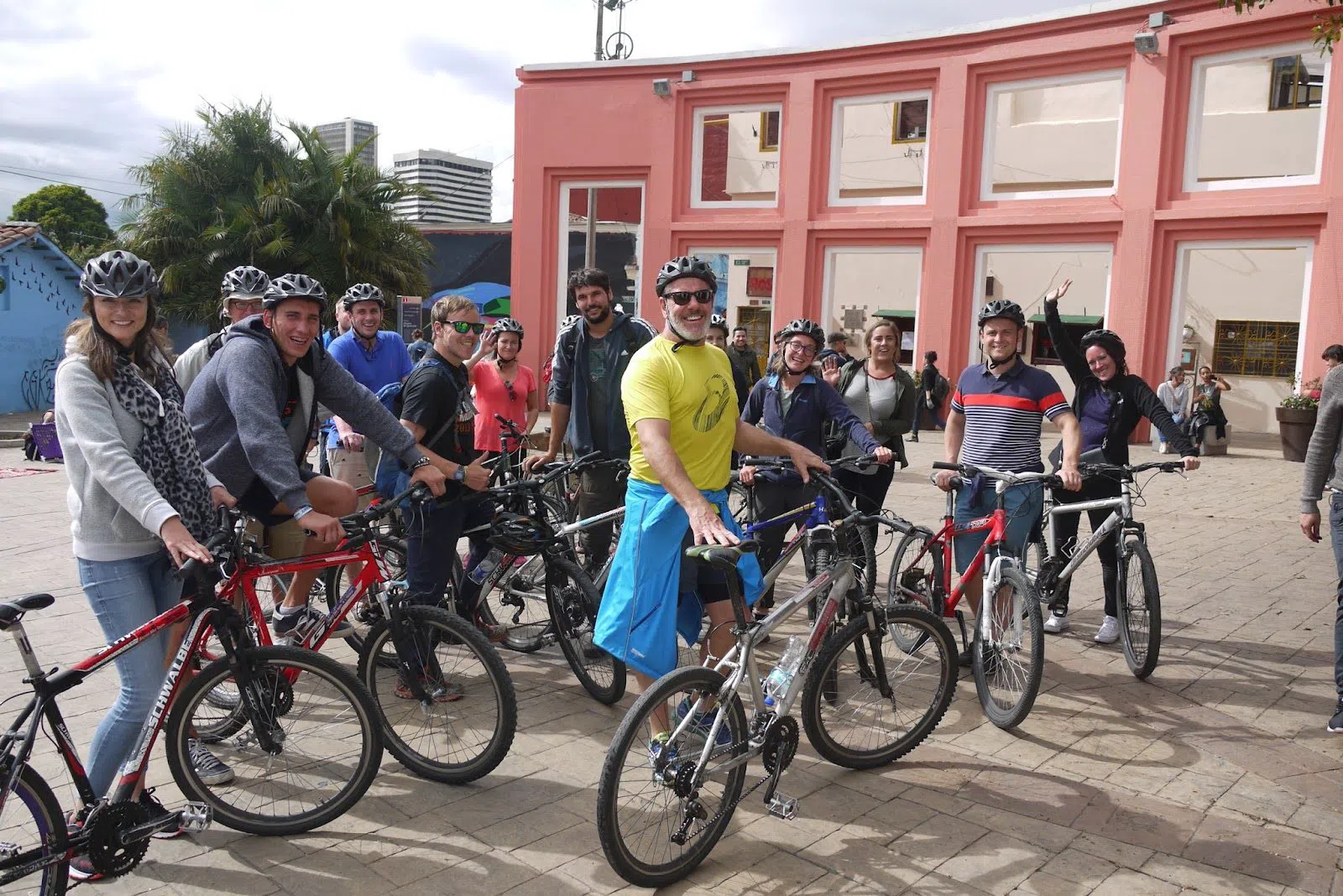
There is a sound Bogotá makes only on Sundays: no engines. From seven in the morning until two in the afternoon, the city bolts its main arteries shut to traffic and opens them to bodies — bicycles, roller skates, dogs on leads, grandparents walking abreast four wide. This is the Ciclovía, a weekly civic act older than most of the people riding it, and the single best way to understand what Bogotá is actually like when it stops performing for cars. You do not need to be fit, fast, or Colombian to join. You need a bike, some cash, and a plan that respects the altitude.
That last point matters more than any guidebook lets on. Bogotá sits at 2,640 metres, and the Ciclovía's flagship corridor climbs gently but relentlessly as it heads north. If you arrived in the country two days ago, your lungs will notice on the first slope. So the shape of this guide is simple: start low and central, ride north with the crowd, stop often, and let the city's own rhythm — food carts, fitness stages, a flea market at the end — set your pace rather than your legs.
Where the ride begins: La Candelaria
Almost every morning here starts in the same place. La Candelaria (the historic centre, at the southern end of the route) is where the museums, the murals, the university crowd and — crucially — nearly every bike-rental shop cluster together. It is the logical launch point for the Ciclovía because it sits at the low, southern end of the main corridor, which means your first pedal strokes are among colonial balconies and street art rather than uphill against strangers. Come at opening time; the cobbled side streets are atmospheric but uneven, so walk the bike the first block or two until you hit the smooth closed road.
Starting in La Candelaria also solves the logistics problem before it starts. You are steps from where the operators gather, you are pointed in the right direction (north and very slightly downhill to begin), and you can fold in an hour of the old town — a coffee, a look at Plaza de Bolívar — before or after your ride without doubling back across the city.
Plan your Bogota trip
Live prices from our booking partners.
Free cancellation on many rooms. We may earn a commission when you book.
Getting a bike: which operator suits your group
Renting is the whole game, and the right choice depends entirely on who you are riding with. Four operators are worth your trust.
Bogotá Bike Tours (La Candelaria) is the safest first port of call for anyone new to the city. It is the longest-running English-speaking bike outfit in Bogotá, which counts for a lot when you are negotiating a deposit in a language you half-speak. It runs set-departure group rides at 10:30 and 13:30 with no reservation needed — turn up, join, go — and it also takes bookable private groups. Rentals start around 15,000 COP per hour (roughly USD 4), and guided tours run from about 65,000 to 215,000 COP (USD 16–55) depending on length and theme. If you want a bike for the Ciclovía and one clear, honest point of contact, start here.
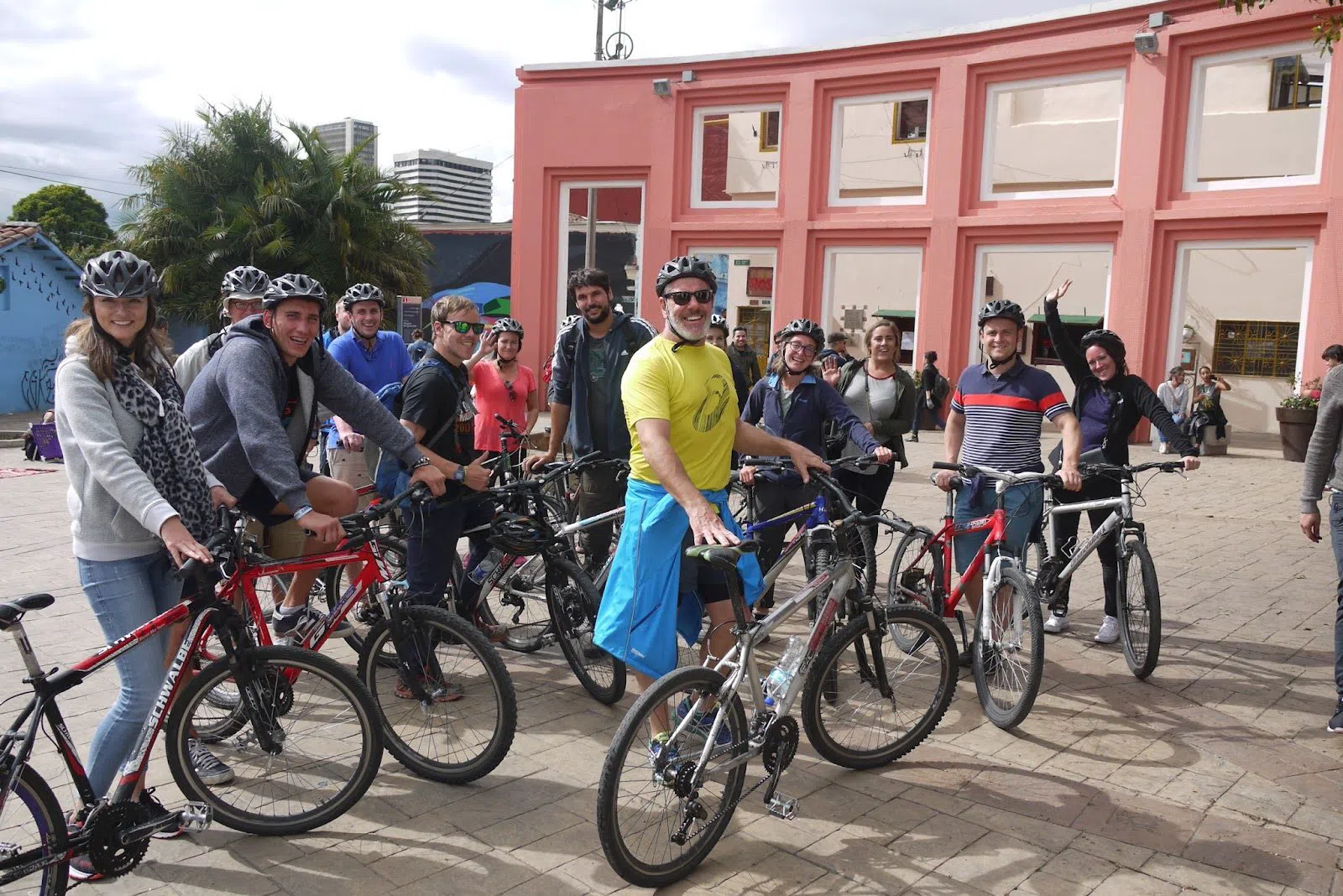
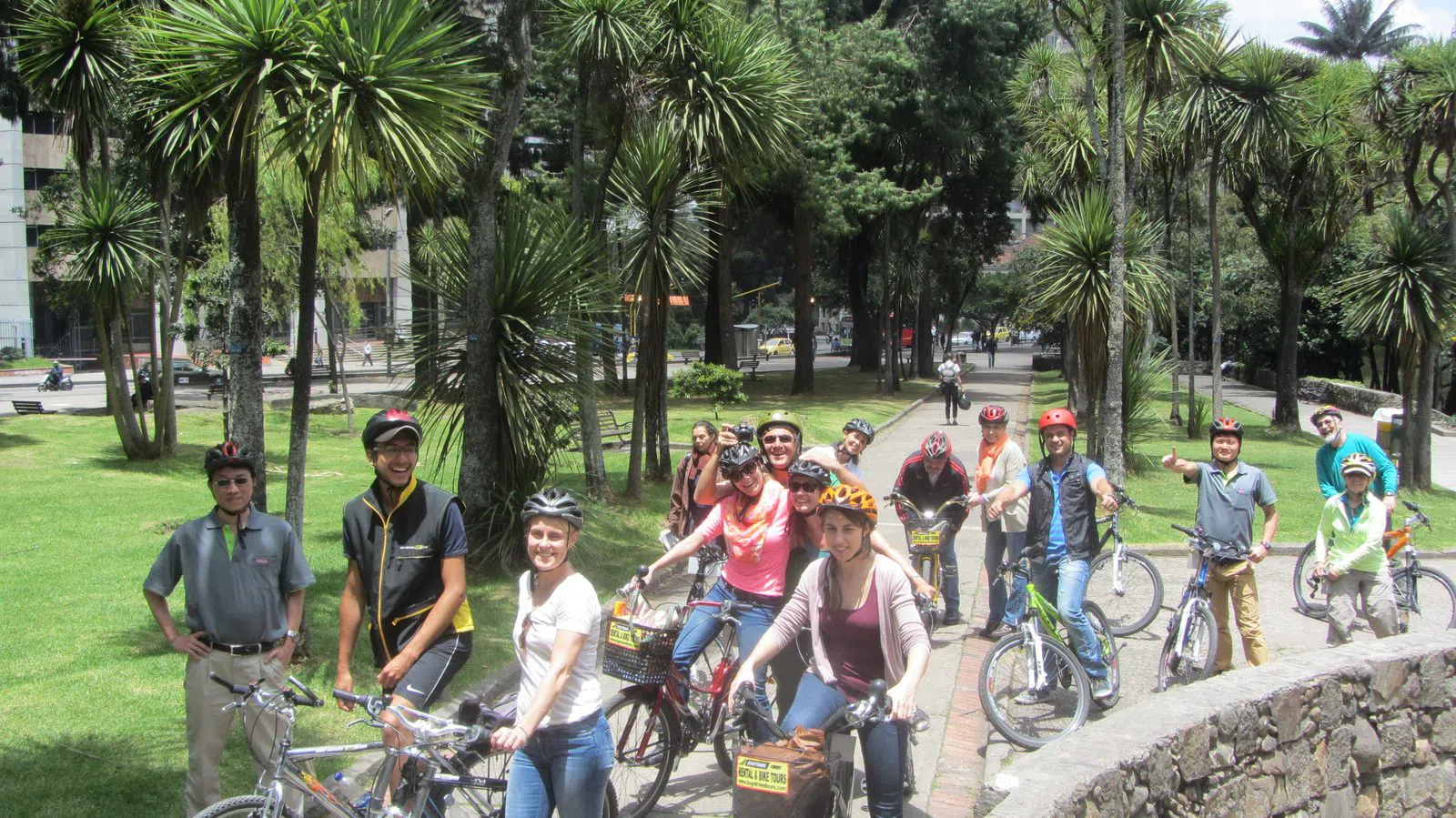
Bogotravel Tours (heart of La Candelaria) is the grab-and-go option. Its location sits right at the southern end of the Carrera 7 route, so there is minimal faff between collecting the bike and joining the closed road. It takes small groups on its own Ciclovía ride and rents multiple bikes to families and friend groups, which makes it a sensible pick if there are four of you and you would rather roll out together than herd across town first. Rental runs about 25,000 COP (around USD 13) for four hours; a guided Ciclovía tour costs extra.
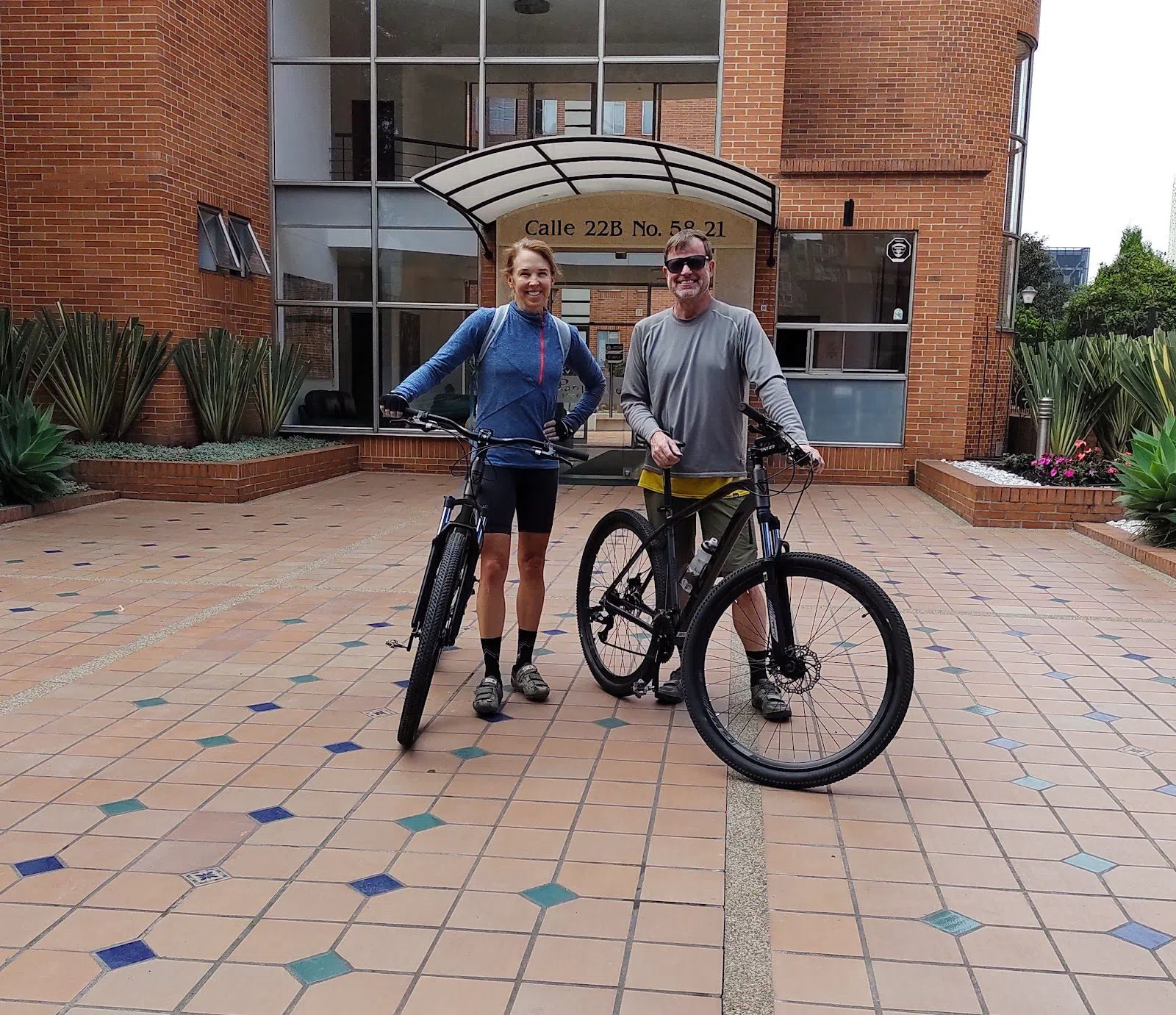
Biking Bogotá rents to groups too, and its signature red bikes are reliable Sunday and holiday machines aimed squarely at Ciclovía riders — but it asks you to book at least a day ahead, and it means it. Sunday demand is genuinely high and the fleet sells out. Expect around USD 20 per day. This is the operator for the organised traveller who knows their Sunday plan on Friday; it is not the one to gamble on at 9am with a hangover.
Rueda Bogotá Rental Bikes & Tours is the choice for a mixed-ability group. Its fleet is wide — cruisers, road bikes, mountain bikes, even fixies — so the nervous rider and the confident one can each get something that suits them. Rentals sit around USD 15–20 a day, with themed tours in the mid-band. Its standout is a 'yoga-in-the-park plus fresh juice' Ciclovía ride, a softer, wellness-flavoured alternative to straight sightseeing. If your group includes someone who would rather stretch by a lake than sprint, this is the honest fit.
A practical word on all four: rentals suit groups and independent riders equally, but the guided departures vary in intimacy. Bogotá Bike Tours' set rides absorb walk-ups and can be larger; Bogotravel and Rueda keep groups small. If you are two people who want a private, unhurried morning, ask for a private booking rather than joining a set departure — every operator here offers it, and it is worth the modest premium.
The spine: riding Carrera Séptima north
Carrera Séptima (running downtown to Usaquén, the Ciclovía's main corridor) is where you will spend most of the day, and it earns its status. It is the backbone of a network exceeding 140 kilometres, and it is the single best stretch for first-timers because it stitches the historic centre to the leafy, moneyed north in one continuous, legible line. You cannot really get lost: follow the crowd, keep the sun roughly on your right in the morning, and the city hands you its neighbourhoods in sequence.
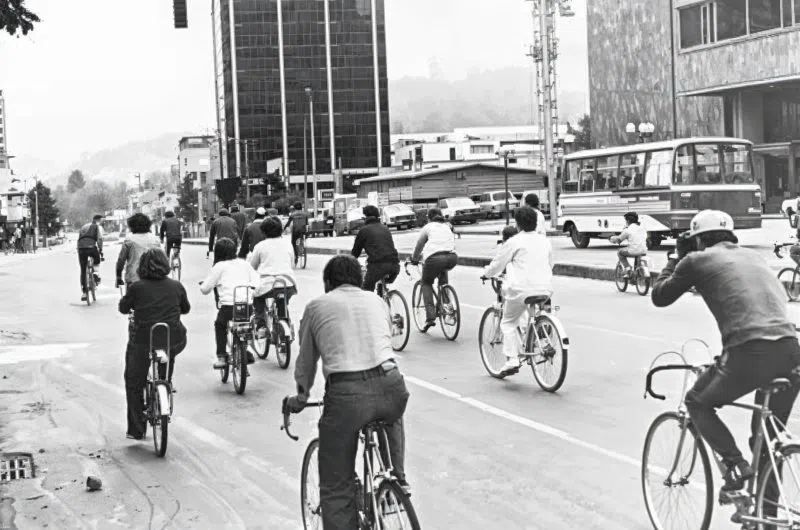
The first natural pause comes early. Parque Nacional Olaya Herrera (on Carrera 7, between downtown and Chapinero) is a large historic park and the green hinge where the dense centre loosens into the more open north. It is a shady, comfortable spot to rest a group and picnic right on the route — and, honestly, a smart place to take stock of how your body is handling the altitude before you commit to the longer haul. If someone in your party is struggling, this is the graceful turnaround point; nobody will judge a half-Ciclovía.
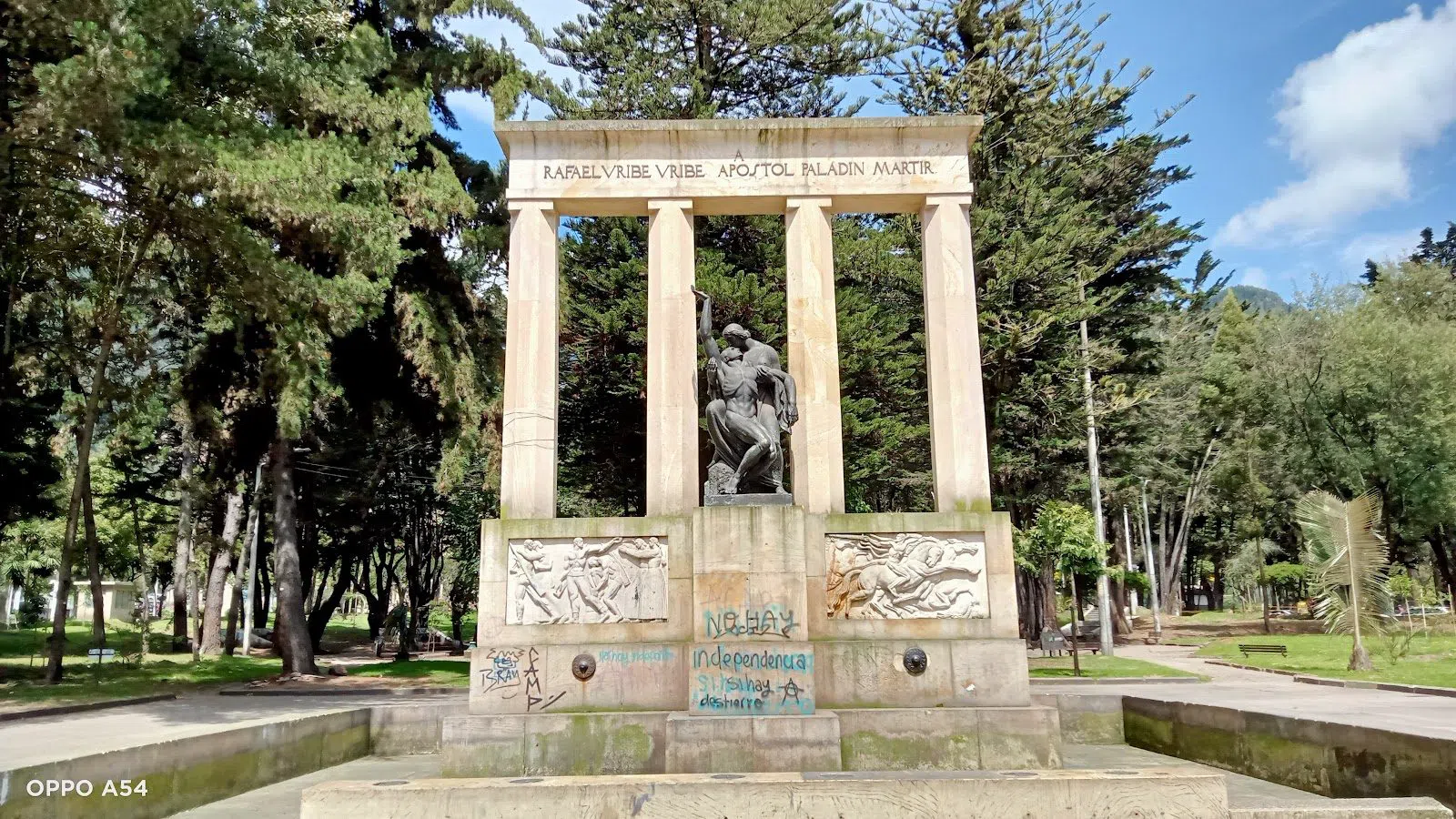
As you push on, the corridor threads Chapinero and climbs toward the north's wealthier grid. The gradient is never brutal, but at this elevation it compounds. Ride in a low gear, breathe deliberately, and treat every stop as recovery rather than delay.
The Recreovía twist, and where to rest
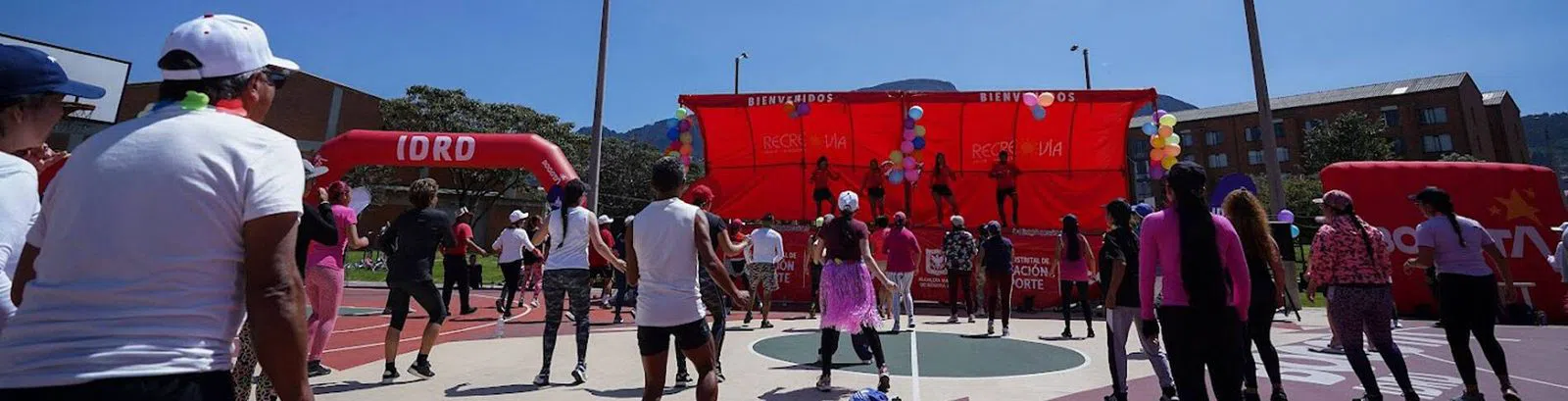
Here is the thing tourists rarely anticipate. The Ciclovía is not only about moving — it is also about stopping to move differently. Recreovía (IDRD-run free fitness stations, dotted across the network) is the uniquely Bogotano layer on top of the ride: free, open-air, mass fitness sessions — rumba-style aerobics, yoga, stretching — led by instructors on stages, with a guaranteed crowd and zero booking. You turn up as a group, you join in, you leave. It costs nothing and it is, for many visitors, the moment the Ciclovía stops being a bike ride and becomes a portrait of the city. Do not skip it out of self-consciousness; nobody is watching you, they are all facing the front.
You will find a Recreovía point at Parque El Virrey (the upmarket north, steps from the Zona T dining district), a leafy green corridor that makes an easy pause and happens to have its own class stage. It is a good place to break because you are moments from restaurants if the group wants a proper sit-down rather than a cart snack — though on a Sunday morning, plenty of kitchens open late, so check before you pin your hopes on lunch here.
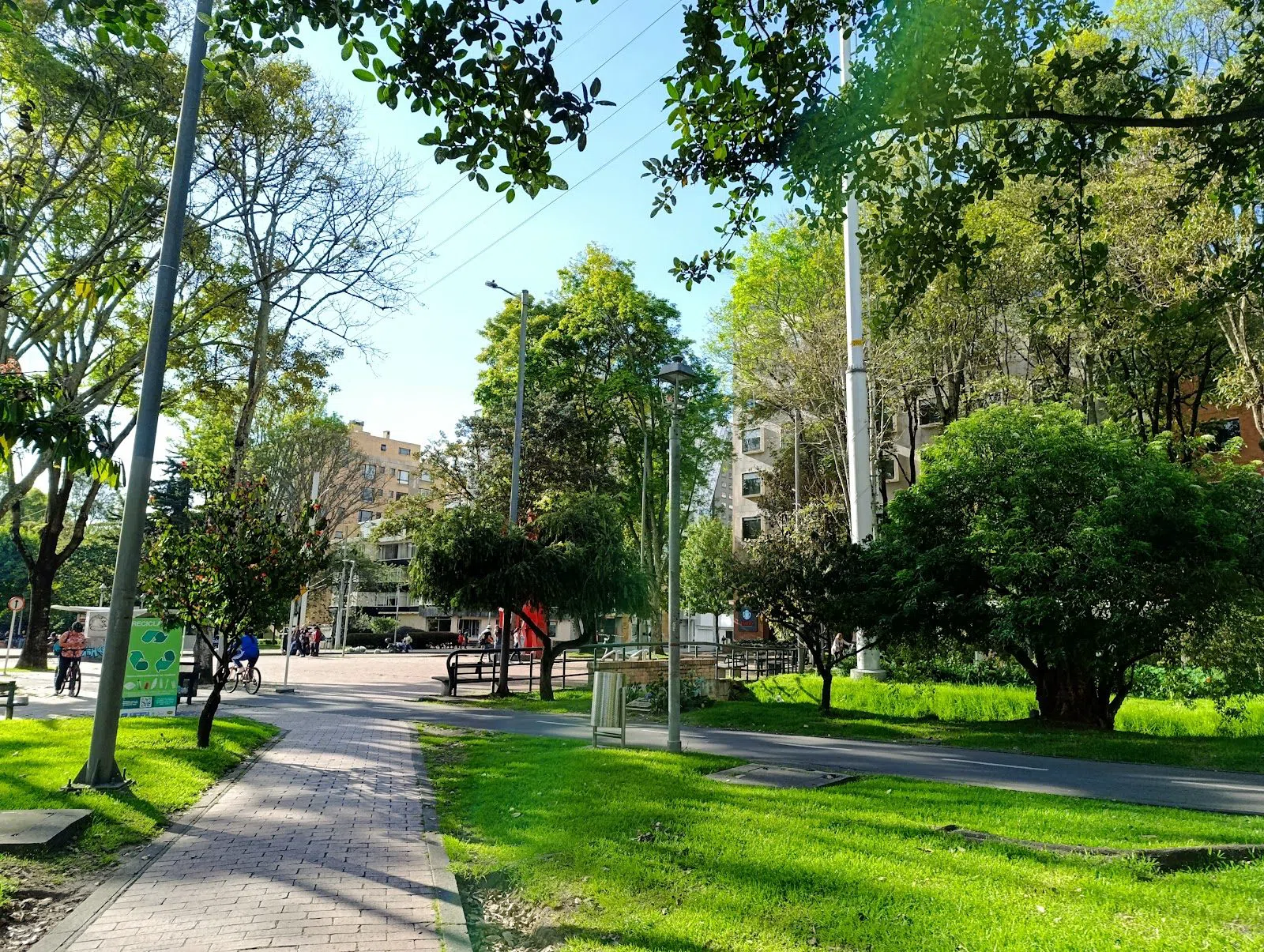
For a bigger regroup, detour to Parque Metropolitano Simón Bolívar (west of the central corridor), Bogotá's answer to a great civic park and its classic mid-ride rest stop. It has been connected to the Ciclovía network since 2019, it is vast, and it swallows large groups without strain — spread a blanket by the lake, eat, let the slow riders catch up, then rejoin. This is the picnic stop if you have brought food and want space; El Virrey and Olaya Herrera are the quicker, on-the-line breathers.
Eating on the move
Do not pack a full lunch and miss the point. The Ciclovía street-food carts (all along the route) are the edible soul of the morning, and they are cash-and-go, which suits a grazing group perfectly. This is where you pull over for an oblea — thin wafers sandwiched with arequipe — or a cup of tangy, unripe mango biche dusted with salt and lime, or a fresh guanábana (soursop) juice you will struggle to find anywhere outside Colombia. Snacks run a few thousand pesos each, roughly USD 1–3, so a whole group can graze the length of the route for the price of one sit-down meal.
A gentle honesty note: these are street carts, cash only, and hygiene varies. Stick to busy carts with high turnover and freshly cut fruit, carry small denominations, and you will be fine. The juices in particular are worth the small risk — soursop and mango biche are flavours the Ciclovía does better than any restaurant.
The finish line: Usaquén
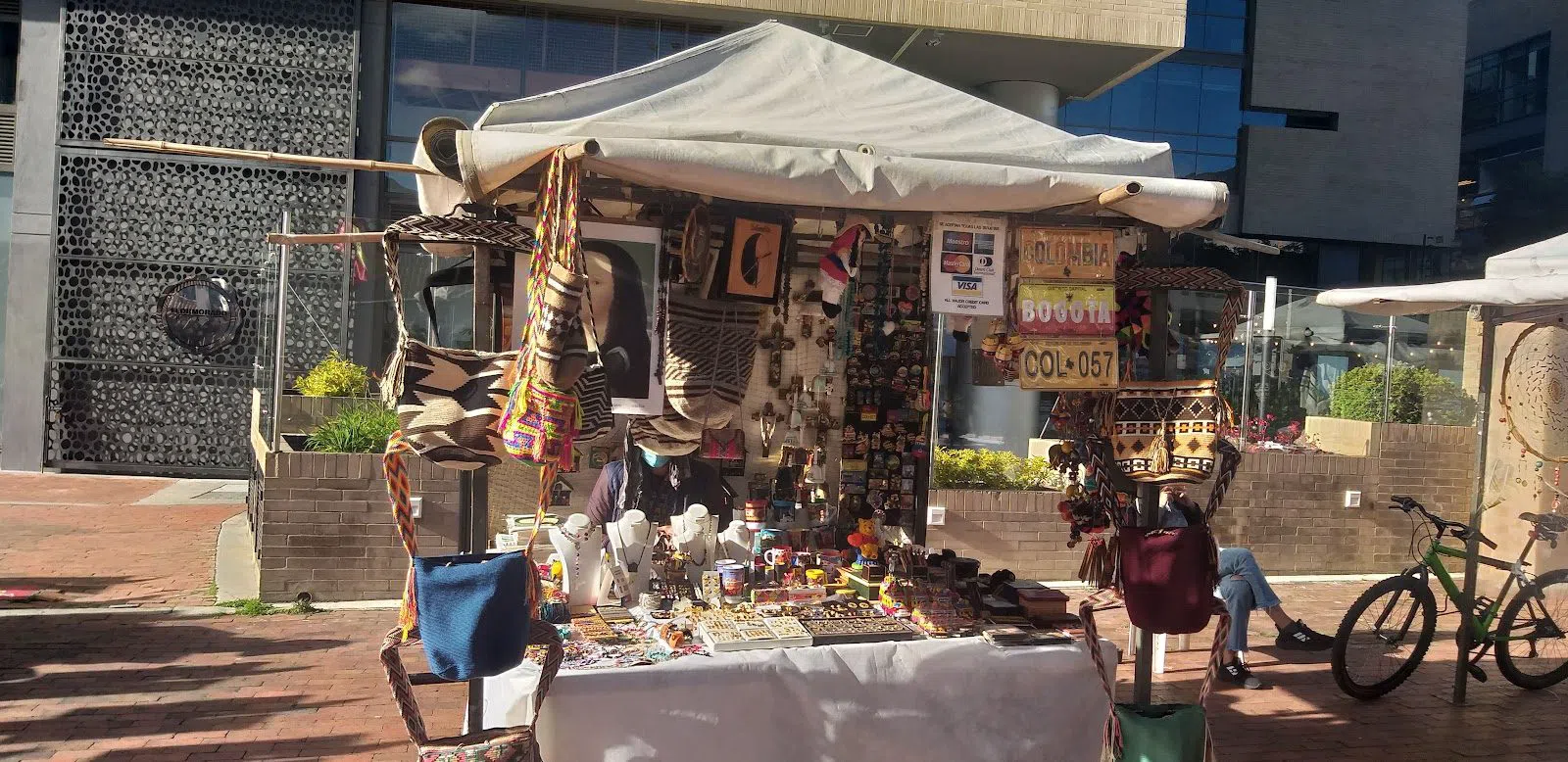
Every good ride needs a destination, and the north end delivers one. Mercado de las Pulgas de Usaquén (the colonial village of Usaquén, at the northern end of the route) is the natural Sunday finish line — an open-air flea market of handicrafts, street bands and food stalls set among Bogotá's prettiest colonial streets. It is free to wander and it absorbs big groups effortlessly, which is exactly what you want after a morning of pedalling: no queue, no cover charge, room to spread out and lose each other happily among the stalls.
Arrive by late morning and you catch the market at full tilt with the Ciclovía still running, so you can lock the bikes, browse, eat properly, and ride back — or, more sensibly, browse until the Ciclovía closes at 2pm and take a taxi home with the bikes returned first. Usaquén rewards lingering; it is the one stop on this route where the plan should be to have no plan.
If the market is your endpoint, tell your rental operator. Some will let you return the bike near Usaquén rather than back in La Candelaria, which saves you a long southbound ride once the roads reopen to traffic. Confirm this before you set off — it is not universal, and getting caught at the far north end with a bike due back in the centre after 2pm is the one avoidable mistake on this route.
Practical notes: transport, cash, timing, budget
Timing. The Ciclovía runs every Sunday and on public holidays, 7am to 2pm sharp. Roads reopen to cars promptly at two, so plan to be off the corridor and to have your bike returned by then. Start by 8:30–9am: you get cooler air, thinner crowds, and a buffer against the altitude slowing you down. The full north-bound run to Usaquén with proper stops is a half-day, not an hour.
Altitude. Repeat because it matters: 2,640 metres. If you have been in Bogotá fewer than two days, ride conservatively, drink water, and do not treat the gentle gradients as gentle. Olaya Herrera and El Virrey are your bail-out points if anyone flags.
Cash. Carry small pesos. Food carts, market stalls and some rental deposits are cash-only, and you do not want to be the person holding up a cart queue with a card. A few tens of thousands of pesos covers a full day of snacks and juice.
Budget. A realistic per-person day: rental 15,000–70,000 COP (USD 4–20) depending on operator and duration; street food and juice 10,000–20,000 COP (USD 3–5); the Ciclovía itself, every park, every Recreovía class and the Usaquén market are free. You can do the whole Sunday for well under USD 30, most of it optional.
Transport and beds. The Ciclovía is car-free by design, so plan your Sunday around bikes and feet, not taxis — apps still work but the closed corridor makes short hops slow. Base yourself centrally or in the north to sit near the route; compare options with a Bogota hotel search and read the wider Bogota guide for neighbourhoods, safety and getting in from the airport. Pick a bed within a few blocks of Carrera Séptima and your Sunday starts the moment you step outside.
Ride it once and the city rearranges itself in your head. Bogotá on a Sunday morning is not the traffic-choked capital of the guidebooks — it is 140 kilometres of people who decided, decades ago, that the streets could belong to everyone one day a week. Bring cash, respect the altitude, and let the crowd carry you north.
Before you go
What time and days does the Bogotá Ciclovía run?
Every Sunday and on public holidays, from 7am to 2pm. Roads reopen to cars promptly at 2pm, so aim to start by 8:30–9am and have your rental bike returned before the corridor closes.
Do I need to book a bike in advance for the Ciclovía?
It depends on the operator. Bogotá Bike Tours runs set departures at 10:30 and 13:30 with no reservation, and Bogotravel Tours is a grab-and-go rental in La Candelaria. Biking Bogotá, however, asks you to book at least a day ahead because its red bikes sell out on high-demand Sundays.
Is the Ciclovía suitable for beginners and families given Bogotá's altitude?
Yes. The main Carrera Séptima corridor is flat to gently uphill and easy to follow, but at 2,640 metres even mild slopes tire newcomers. Ride slowly, stop often at parks like Parque Nacional Olaya Herrera or Parque El Virrey, and pick an operator like Rueda Bogotá with a wide fleet if your group has mixed fitness.
How much does a day at the Ciclovía cost?
The Ciclovía, every park, all Recreovía fitness classes and the Usaquén market are free. Bike rental runs roughly 15,000–70,000 COP (USD 4–20) and street food 10,000–20,000 COP (USD 3–5), so a full day comfortably comes in under USD 30 per person.
Where does the Ciclovía route start and end?
Most riders start in La Candelaria, the historic centre at the southern, lower end where nearly every rental shop is based, then follow Carrera Séptima north. The natural finish line is the Mercado de las Pulgas de Usaquén, a free open-air flea market in Bogotá's prettiest colonial village.