Bogota-nummeret
The El Dorado climb at Lake Guatavita near Bogota
A two-hour guided walk up to the El Dorado lagoon, the town the reservoir drowned, and how to build a day out of Bogotá around both.

Af Élodie MarchandA Bogotá weekend that respects the altitude
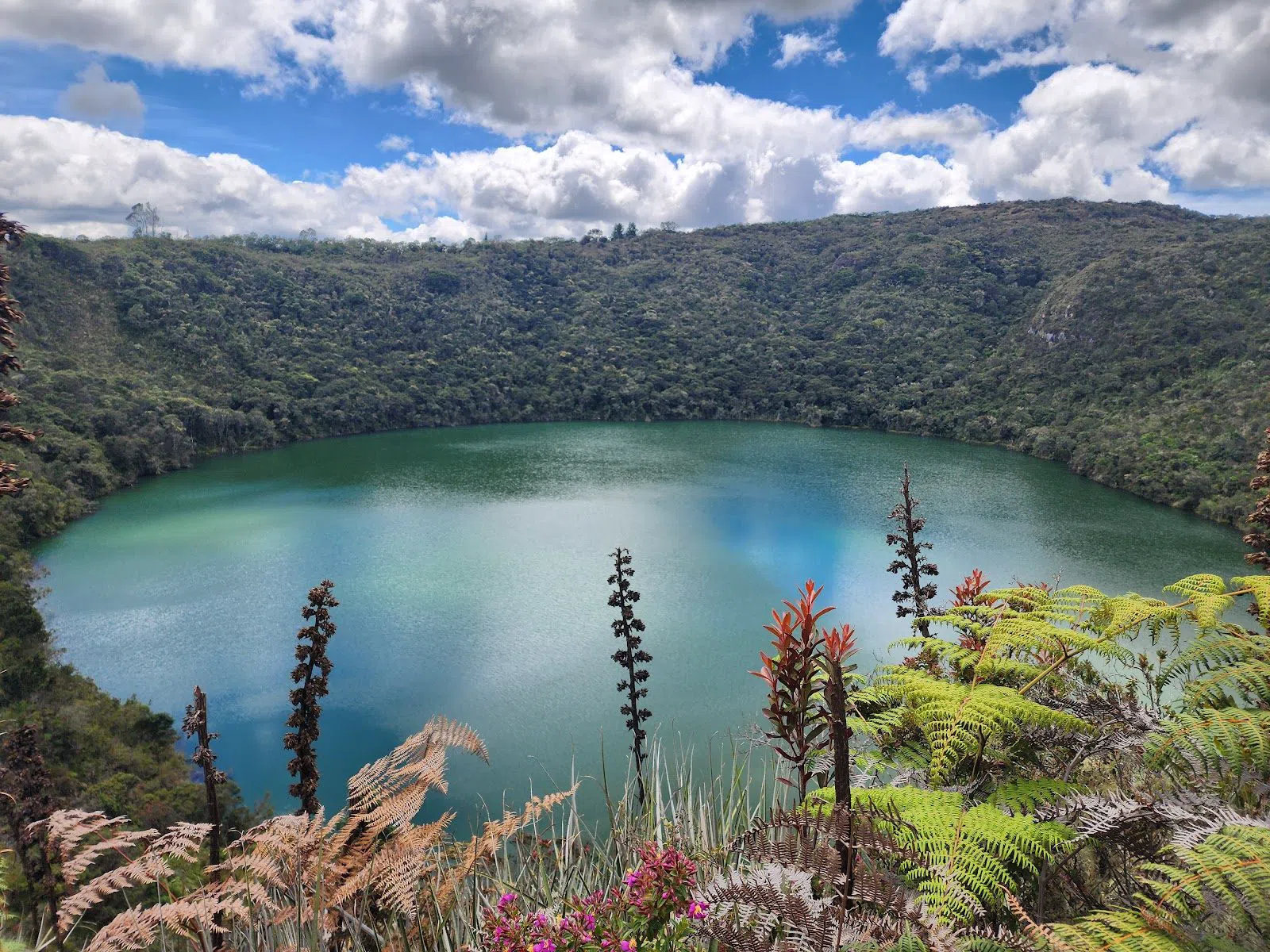
The lagoon at the top of the climb is a near-perfect circle 400m across, dark jade, ringed by steep high-Andean forest and notched on its far rim by colonial drainage work. You reach it on a two-hour guided walk from 2,970m to 3,100m, in a batch behind a park guide, with no wandering off the trail. The gate takes cash only, and no signal reaches it to run a card machine.
Seeing the raft before you see the lake
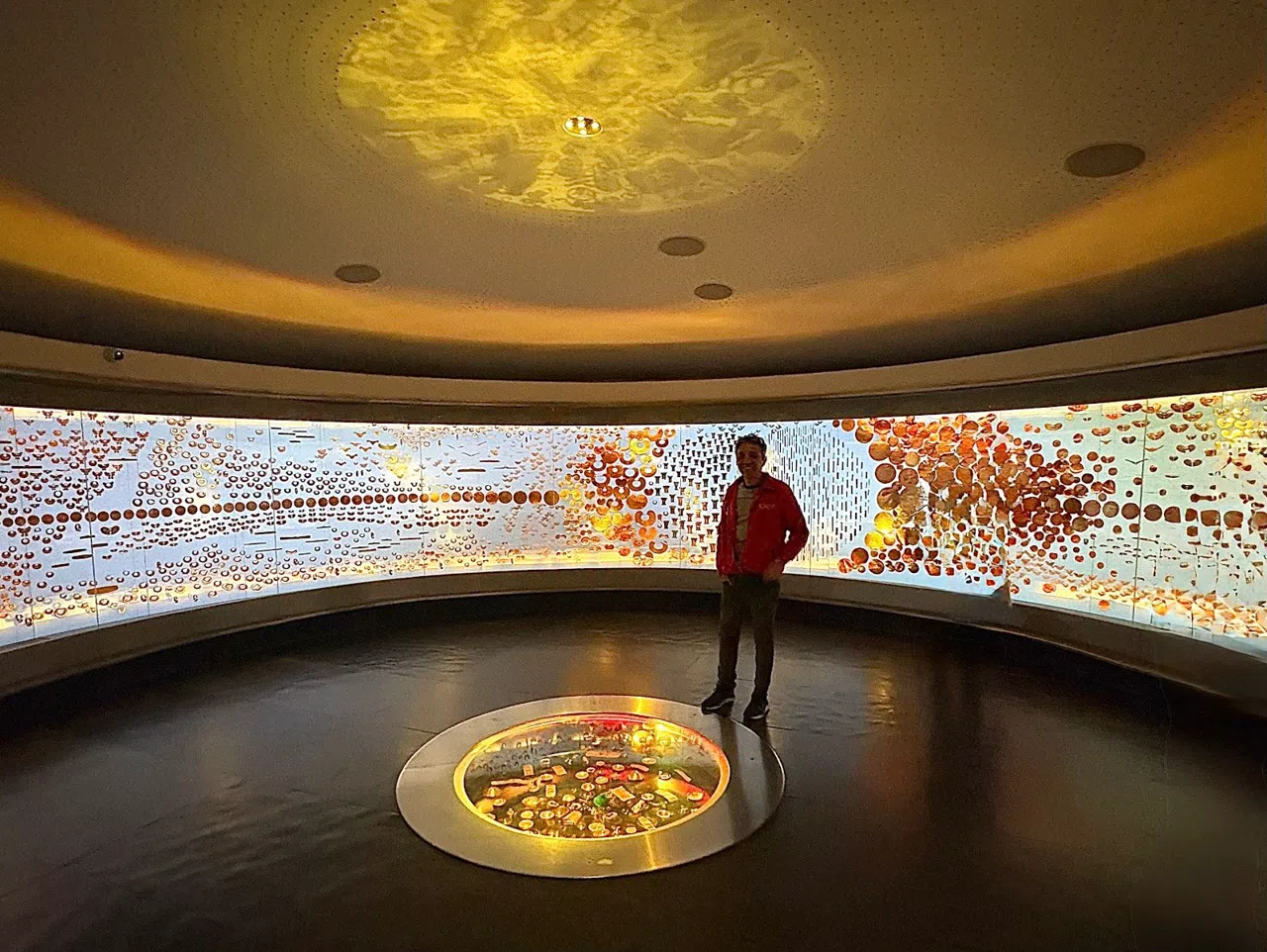
The Museo del Oro, in central Bogotá, holds the small golden votive raft the El Dorado legend was built on, the chieftain figure standing amid his attendants, isolated in a dark circular vault case with thousands of backlit gold offerings around it. Stand in front of that raft before you go anywhere near the water. The lagoon is a crater with a view; the object is what people were talking about when they invented the story, and the climb makes far more sense in that order.

Entry is $21,000 for a foreign visitor and $10,000 for a Colombian. Students pay $5,000, and Sunday is free. Guided tours run daily in Spanish and English at no extra cost and without booking, which is the easiest way to get the raft explained to you. Allow two to three hours, and not a Monday, when the museum is closed.
Planlæg din rejse til Bogota
Aktuelle priser fra vores bookingpartnere.
Gratis afbestilling på mange værelser. Vi kan modtage provision, når du booker.
The climb to the lagoon
Reserva Forestal Protectora Laguna del Cacique Guatavita, above Sesquilé, opens Tuesday to Sunday, 9 a.m. to 4 p.m., and closes the first working day of the week for maintenance. The two-hour guided climb is the only permitted activity inside the reserve. Everyone walks in one batch behind a CAR park guide, and batches set off every 15 to 20 minutes, so a coach load clears the entrance without a long queue building behind it. You cannot leave the trail at any point.
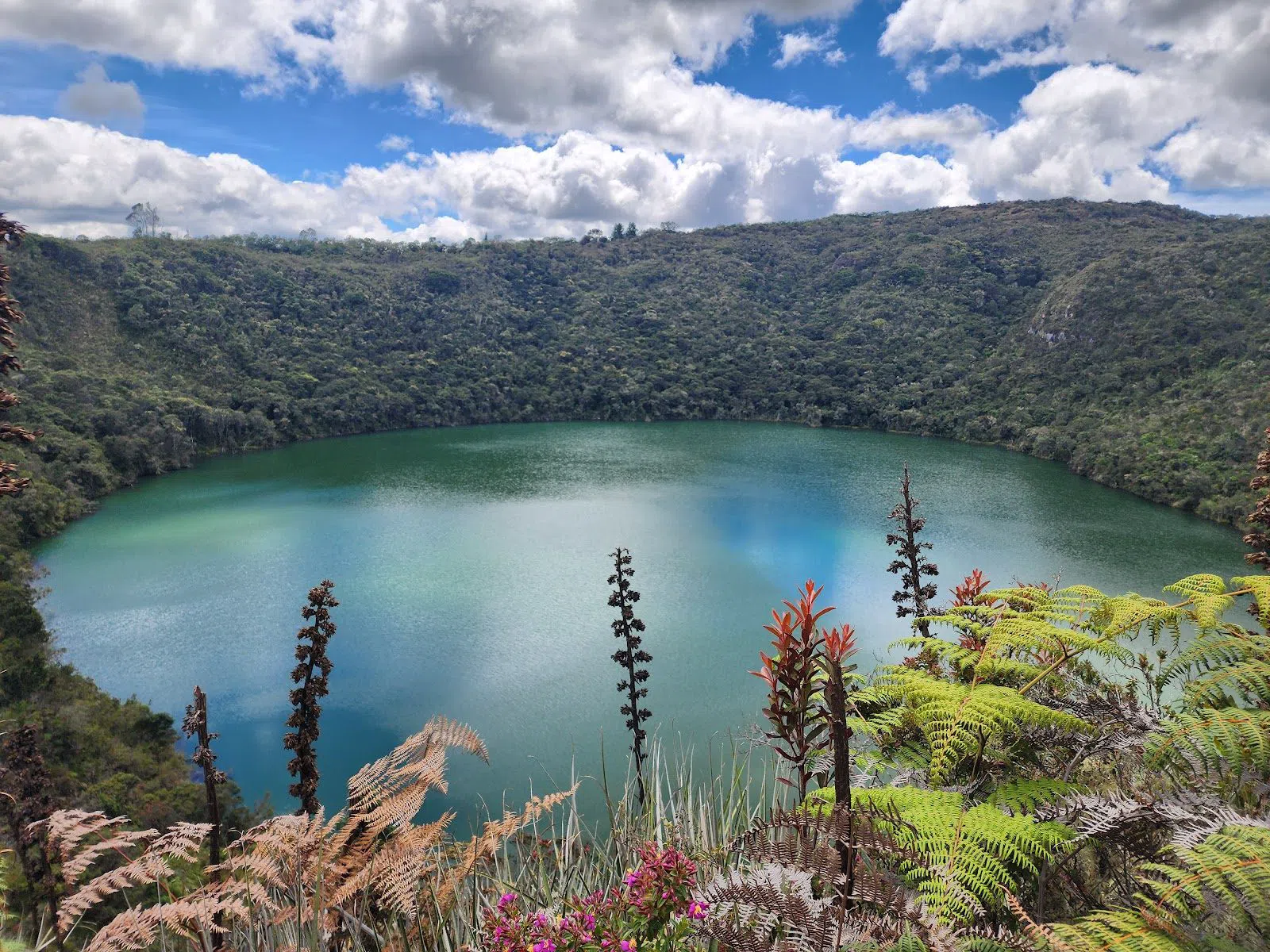
The path climbs on stone and timber stairs, past frailejones, to railed clifftop viewing decks on the rim. From the decks you are looking down on the full circle of the water and across at the deep V-shaped notch gouged into the far side, the mark left by colonial attempts to drain the lake and get at what was supposed to be lying in it. The forest runs steeply down to the shore all the way round.
Entry is $31,000 for a foreign adult and $21,500 for a Colombian. Residents of Sesquilé pay $4,500. Pets, drones and food or drink are not allowed inside, and the altitude at the decks is 3,100m, so treat the walk as a walk rather than a stroll between photographs.
The Mhuysqa cabildo above Sesquilé
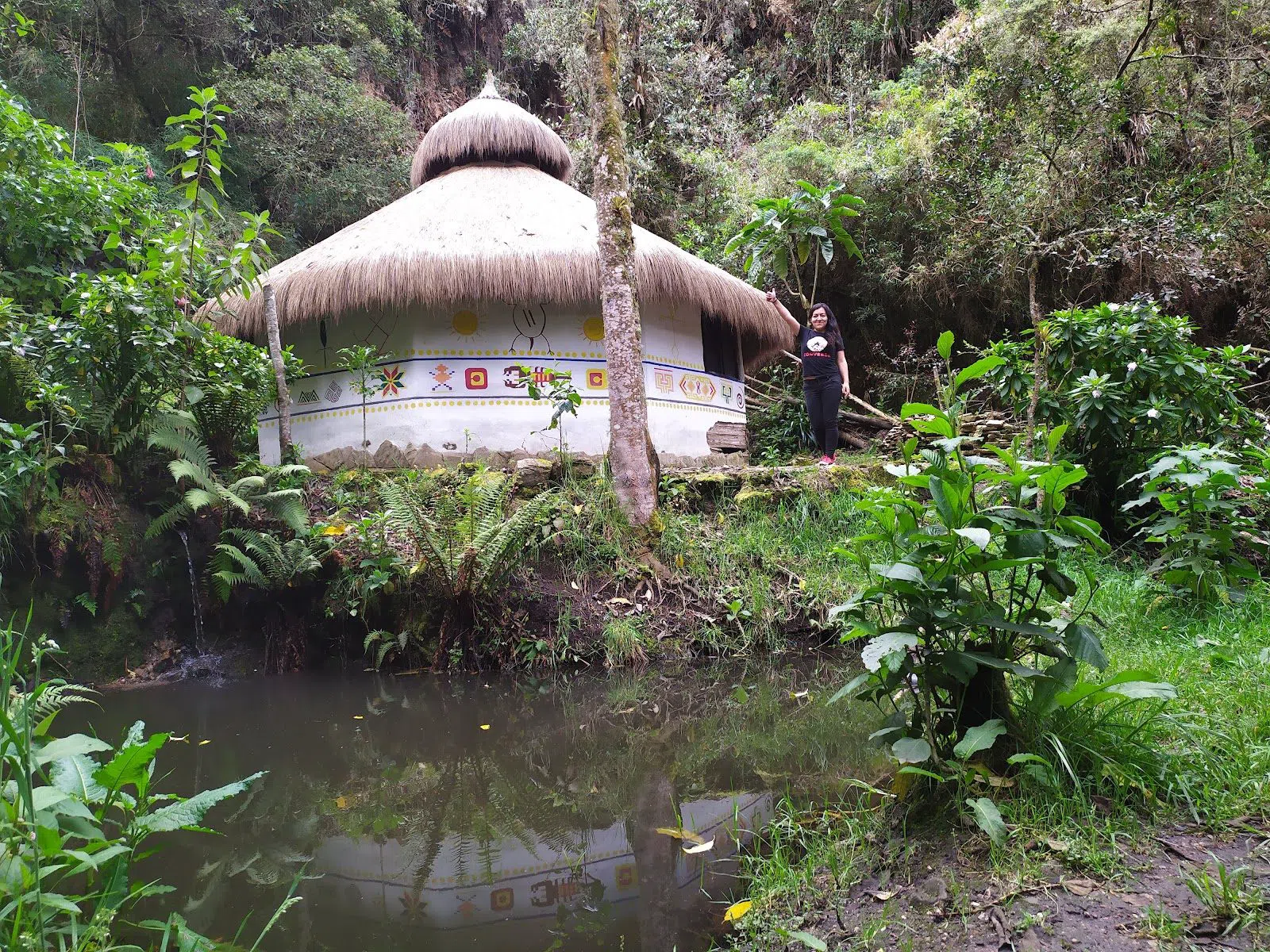
Cabildo Muisca de Sesquilé, the Comunidad Mhuysqa Chuta Fa Aba, Los Hijos del Maíz, receives visitors in a round thatched ceremonial house, the kusmuy, with a conical straw roof and a low timber doorway, an earth floor and a central fire pit. It stands on terraced farmland above the town, the reservoir visible in the distance. The community hosts everything itself: offering ceremonies, craft workshops and ancestral music.
Visits are by prior arrangement for booked groups, and there are no walk-ups. You agree the contribution or workshop fee with the cabildo, and it usually runs to tens of thousands of pesos per person. The cabildo organised in 1999 and had its territory recognised as a resguardo in 2023, and it is the reason Sesquilé reached UN Tourism's Best Tourism Villages list. This is a community rather than an attraction, so arrange the visit before you build a day around it.
The water on top of the old town

Embalse de Tominé was filled in the 1960s and took the original Guatavita under in 1967. The water you are photographing from the causeway is sitting on the town. Carry that fact with you between the lagoon and the village you walk around later.
The shoreline is open and unticketed, with roadside pull-offs and no limit on numbers; most coaches stop on the causeway bridge for photographs. Parking at managed lots is $8,000 and the road toll is $10,300. The valley holds a huge pale-blue sheet of water between dry brown ridges, with eucalyptus windbreaks and cattle grazing the edges, and the wind works across the surface most of the day.
Guatavita la Nueva and its plaza
Guatavita la Nueva is a replacement town. The old Guatavita went under the reservoir in September 1967, and this entire village was designed and built from scratch nearby as a single 1960s scheme in colonial style: whitewashed walls, red clay-tile roofs, dark timber eaves and arcaded walkways around a wide paved plaza. Hills and reservoir water close the ends of the streets. It looks like a pretty fake at first, and the story behind it is stranger than that. Walking the plaza is free, craft and snack spending runs $10,000 to $40,000, and the open space takes coach groups without feeling crowded.

Iglesia Nuestra Señora de los Dolores rises over the plaza on a tall whitewashed bell tower with brown timber trim and a red tile roof. Inside, the nave is plain and white, and the fittings were rescued from the church that is now under the water. Entry is free, between services, and five minutes covers what there is to see.
Museo y Café Guatavita occupies a low whitewashed house just off the plaza and opens daily, 10 a.m. to 7 p.m. The glass cases hold what came out of old Guatavita before the water rose: church clocks, vestments and sepia photographs of the drowned village. A small entry fee applies, coffee is $5,000 to $12,000, and the shelves along the back carry local pottery and weaving. The rooms are small, so a full coach should go in a few at a time while the rest of the group shops.
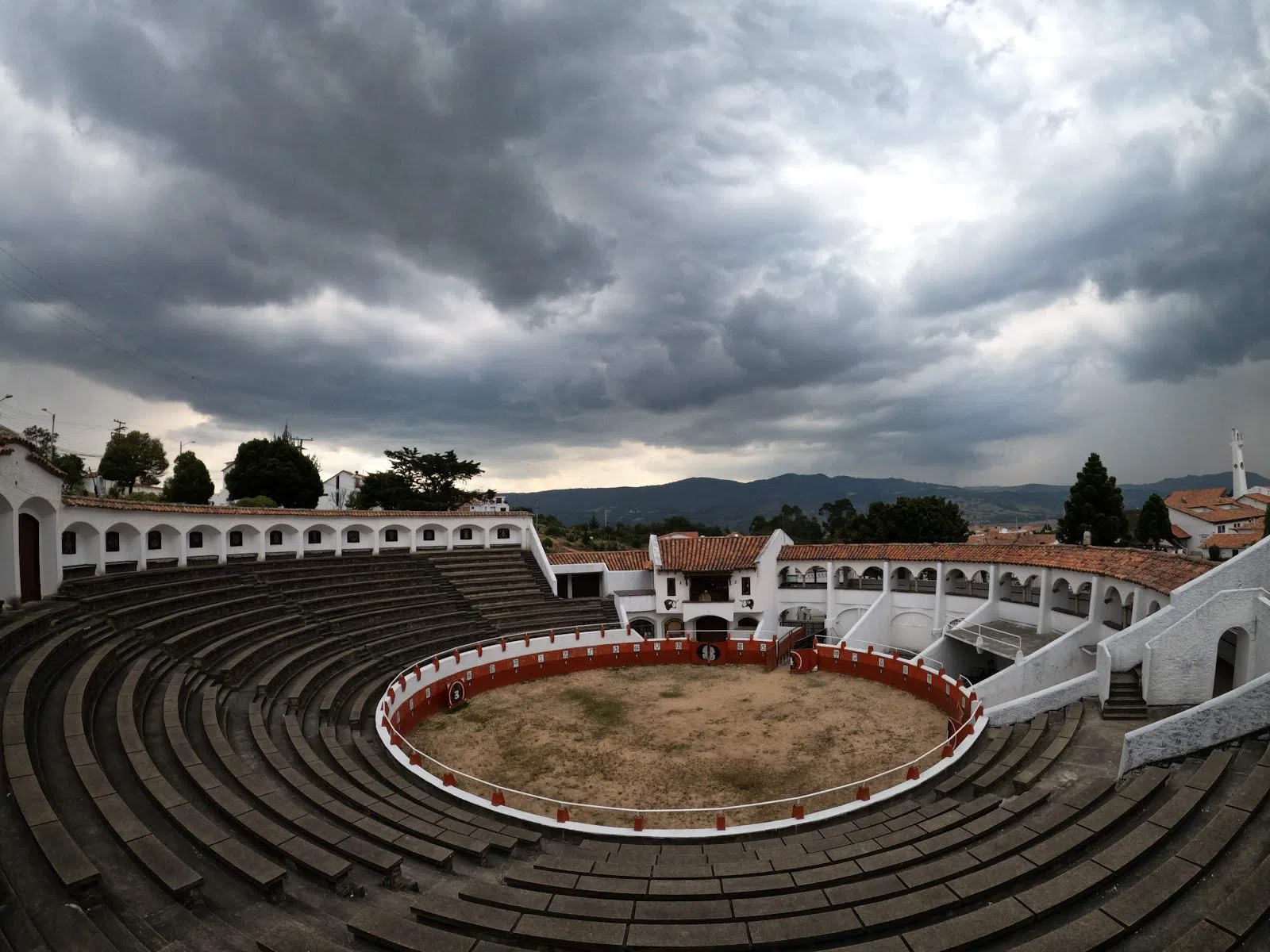
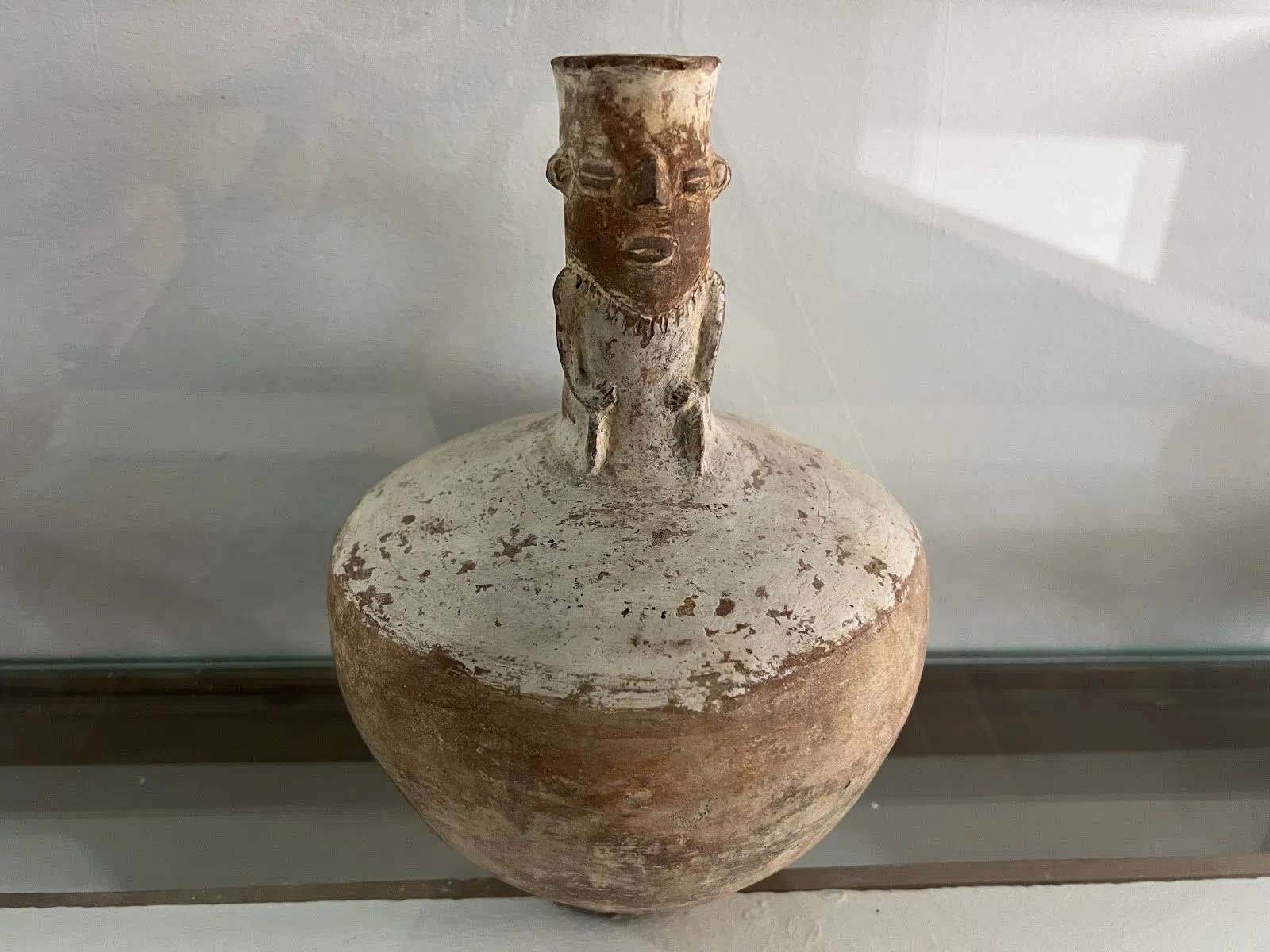
Museo Indígena de Guatavita fills two small rooms in a white building on the plaza. One room tells the raft ritual on illustrated panels; the other holds Muisca ceramics, spindle whorls and gold-coloured votive pieces in lit cases. Ten minutes is enough for the context if you are climbing to the lagoon the same day. Midweek it opens by appointment only, so call before a weekday visit.
Lunch above the reservoir and a sail on it
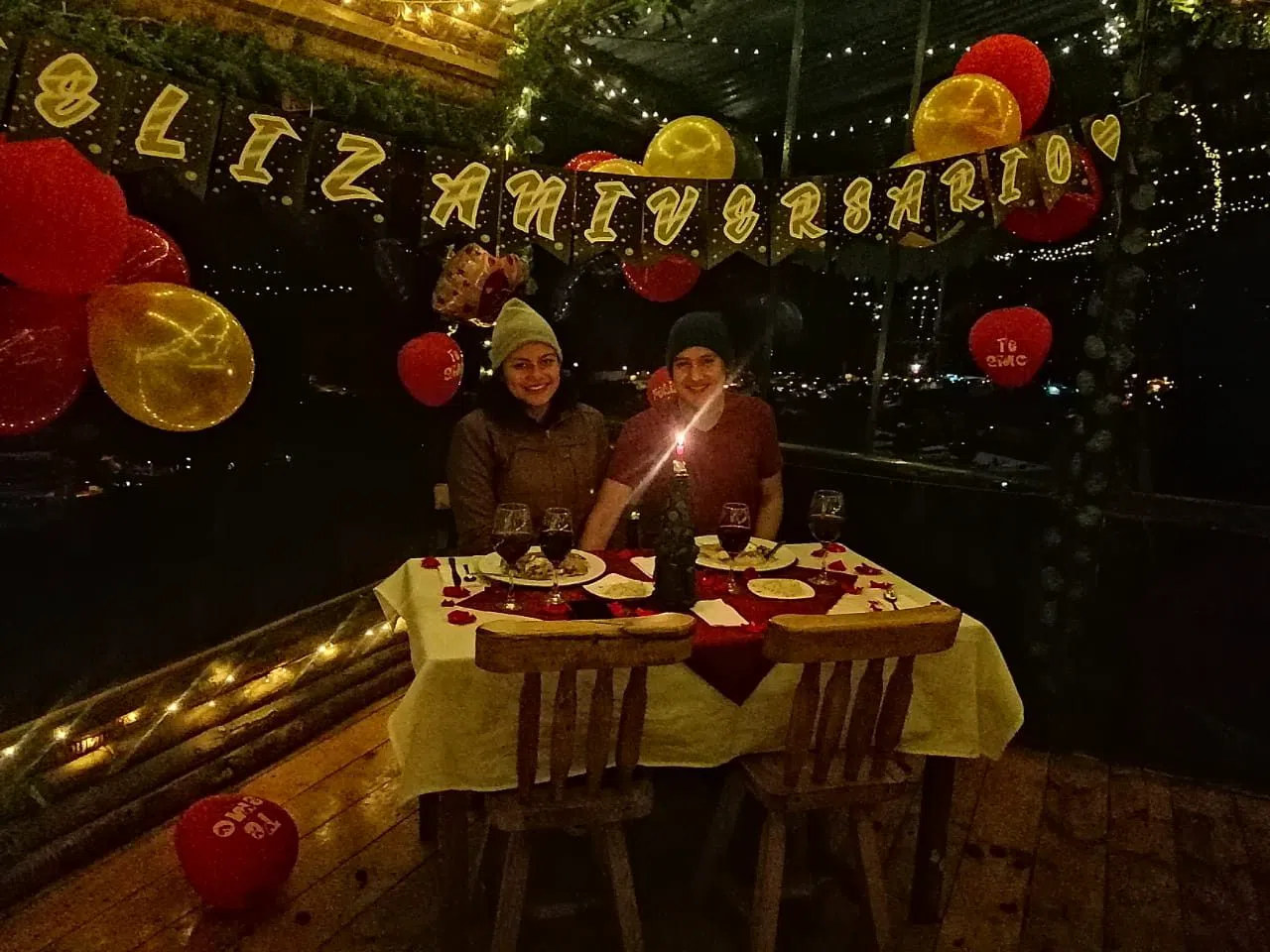
Mirador Los Monolitos is a hilltop terrace of open-air timber decking set with standing stone markers, looking down over Guatavita's red roofs and the full sweep of the reservoir in one frame. Trout and steaks arrive on wooden platters at $30,000 to $40,000 per person. It takes bookings and groups, has parking and outdoor seating, and a shuttle minibus runs up from town for $10,000.
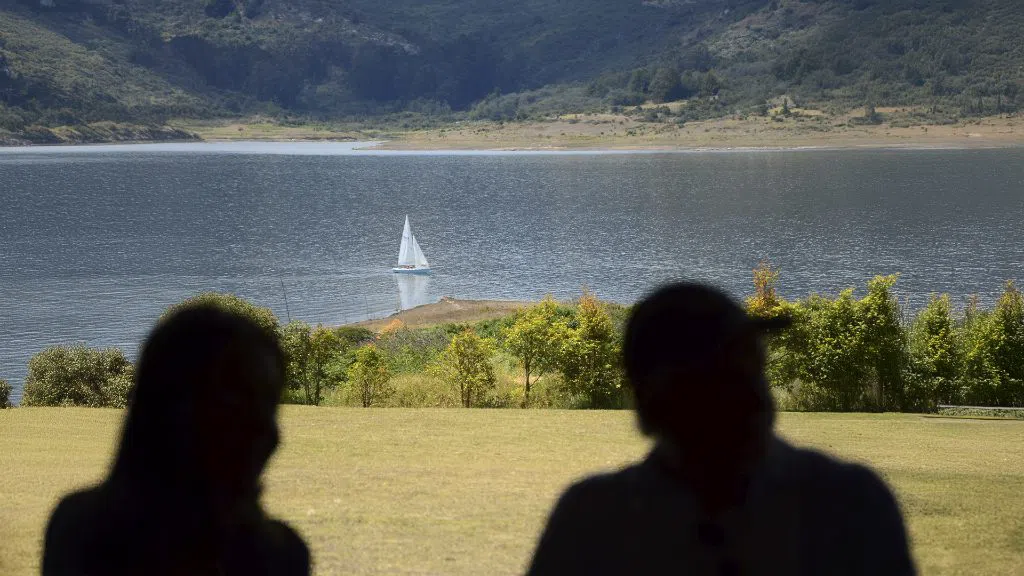
Barlovento Travesías en Velero runs 50 to 60 minute sails with captains who have decades on this water: a white yacht heeling across steel-grey reservoir water under fast Andean cloud, bare brown hills on both shores, red life jackets and a hand on the tiller. It is the only way to get out onto the surface the old town lies under. Charters are priced by boat, $230,000 for two up to $400,000 for four, with a picnic plan at $360,000. Reserve ahead, because they do not take walk-ups.
Club Náutico Hansa sits on the Tominé shore as a slipway and pontoon with dinghy masts in a row, kayaks and paddleboards stacked on racks and instructors in wetsuits. It hires kayaks and paddles, teaches sailing, runs regattas and team-building days, and keeps a reforestation programme on the hillside behind. Course and session rates come on request, and the club works with booked parties rather than drop-ins, so contact them first.
A small kitchen and an upside-down house

La Cava Guatava is a snug stone-and-timber dining room in the white town, with low warm lighting and wine racks, smoked trout and seared beef cuts plated on dark crockery at $35,000 to $70,000 per person. This is the strongest kitchen in Guatavita, and the room is intimate, pitched at couples and small tables. Reservations go through WhatsApp, and anything over six needs a call well before you arrive.
La Casa Loca Guatavita is a full house built upside down and tilted five degrees, roof on the ground, furniture, kitchen and beds fixed to the ceiling above your head, floors sloping enough to wreck your balance. Twenty minutes of photographs is the whole visit, and it is the stop that rescues an afternoon with bored teenagers. Tickets are sold at the door, first come first served, with no online booking, so a large group should arrive early. Adults pay $30,000. Children aged four to 14 pay $25,000, and under-threes go free. It opens 10 a.m. to 6 p.m. on weekdays and 9 a.m. to 7 p.m. at weekends, with free parking and a restaurant on site.

The salt mines on the same road
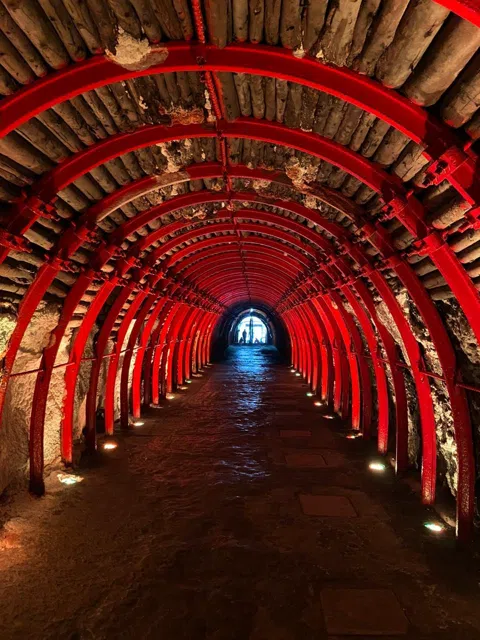
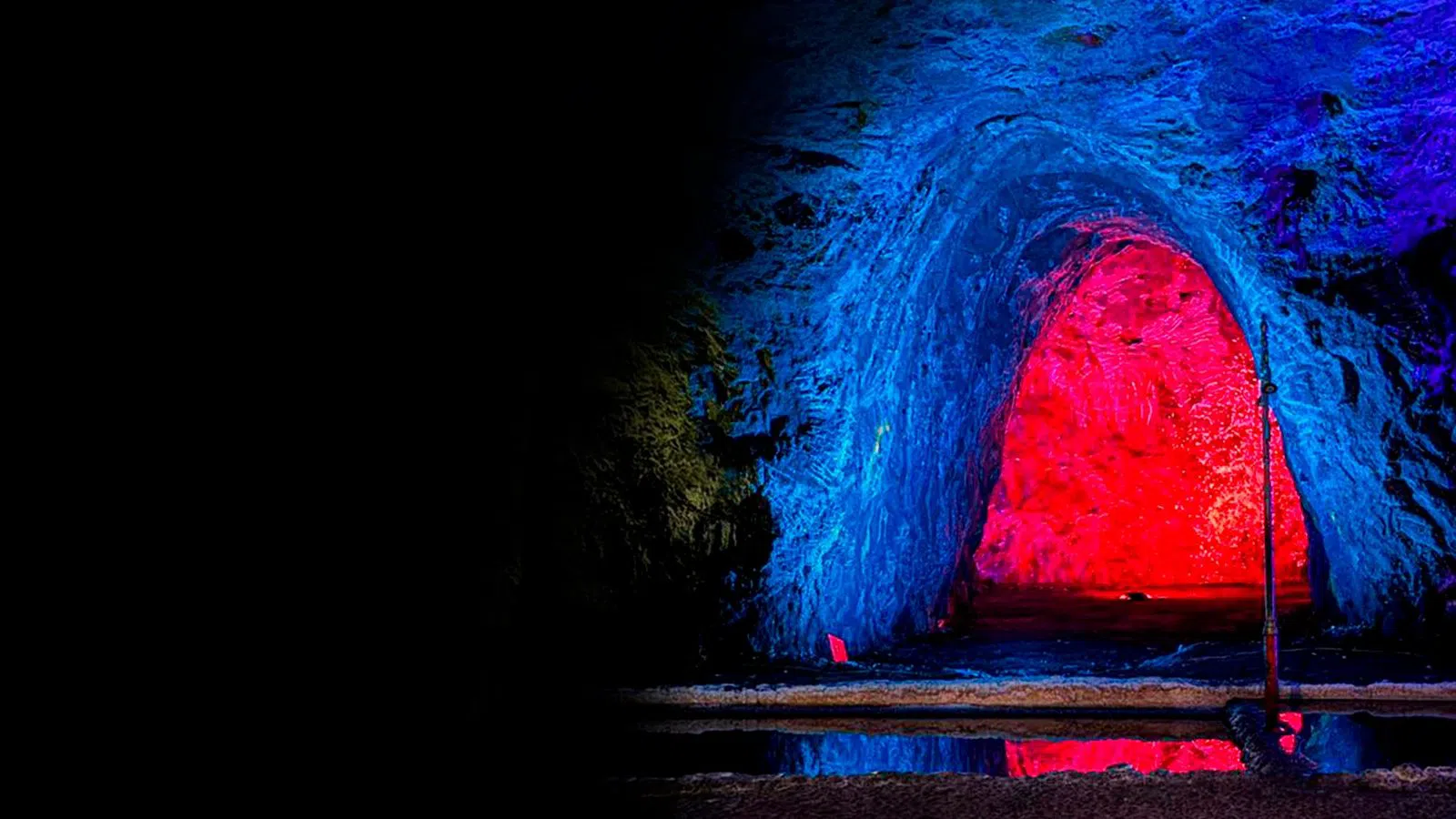
Catedral de Sal de Zipaquirá is the attraction most commonly bolted onto a Guatavita day, and the biggest single cost line in it. The cathedral is carved 180 metres inside a working salt mine, tunnels of grey-black halite lit in shifting blue and violet, with a vast cross cut into the rock face glowing above the main nave. The Basic plan is $125,000 for a foreign adult and $75,000 for a Colombian; Standard and Premium plans cost more. It opens daily at 9 a.m. with last entry at 4:40 p.m., and the guided underground section runs a little more than an hour. Guiding comes in seven languages, with audio guides and timed entry, and the whole operation is built for coach volume all day.

Mina de Sal de Nemocón is the quieter and cheaper of the two mines. Ninety minutes underground covers narrow working galleries with timber props and the Museo de Historia de la Sabana, hard hats issued at the start, salt crystal walls lit amber and still brine pools acting as black mirrors that double the ceiling above them. It opens daily 9 a.m. to 5 p.m., holidays included, and costs $60,000 for a foreign adult and $46,000 for a Colombian. Pick this one if your group dislikes queues.
Best time to go
Organised departures from Bogotá run six days a week, Tuesday to Sunday. Some are already fully booked on 29 October, 3 November, 17 November, 24 December, 25 December and 31 December 2026; other dates are still bookable, and the sold-out days are those dates only.
Take one of the first batches up to the lagoon and keep the terrace for afterwards, because the mirador serves from midday, to 5 p.m. on weekdays and later on Saturday and Sunday. A weekend or a public holiday also opens the Museo Indígena de Guatavita without a phone call, 10 a.m. to 6 p.m. If you want the cabildo, the sail or the small dining room in the same day, fix those first and let the lagoon time fit around them.
Is it worth it
It suits a visitor who will walk at altitude for one view and the story welded to it, and who has seen the raft in Bogotá first. The reserve gives you a guide, railed decks over dark jade water and no freedom to roam, and the two museums in town plus the reservoir fill out the rest of the day.
Planning the day
Keep the lagoon off the first working day of the week and the Museo del Oro off a Monday, arrange the cabildo visit and any sail before you travel, and bring cash for the reserve gate. See the Bogota guide and the Bogota hotel search.
Før du rejser
Can you visit Lake Guatavita on your own, or do you have to join a guide?
You cannot go in alone. Everyone walks in a batch behind a CAR park guide on a two-hour climb, a new batch sets off every 15 to 20 minutes, and nobody leaves the trail.
Can you pay for entry by card?
No. Entry is cash only, because there is no signal at the reserve to run a card machine. Bring $31,000 per foreign adult, $21,500 per Colombian or $4,500 if you live in Sesquilé.
Which days is the lagoon closed?
The reserve opens Tuesday to Sunday, 9 a.m. to 4 p.m., and uses its one closed day each week for maintenance.
Should you book a day trip from Bogotá in advance?
Yes, if your dates are fixed. Organised departures run six days a week, Tuesday to Sunday, and 29 October, 3 November, 17 November, 24 December, 25 December and 31 December 2026 are already fully booked. Everything else is still open.
Which salt mine should you add to the day?
Catedral de Sal de Zipaquirá is the bigger operation, built for coach volume, at $125,000 for a foreign adult on the Basic plan. Mina de Sal de Nemocón is quieter at $60,000 for a foreign adult, and gives you 90 minutes underground including the Museo de Historia de la Sabana.
Can you get out on the reservoir?
Barlovento Travesías en Velero runs 50 to 60 minute sails by private charter: $230,000 for two, up to $400,000 for four, or $360,000 with the picnic plan. Club Náutico Hansa hires kayaks and paddleboards for organised parties. You have to contact both in advance.