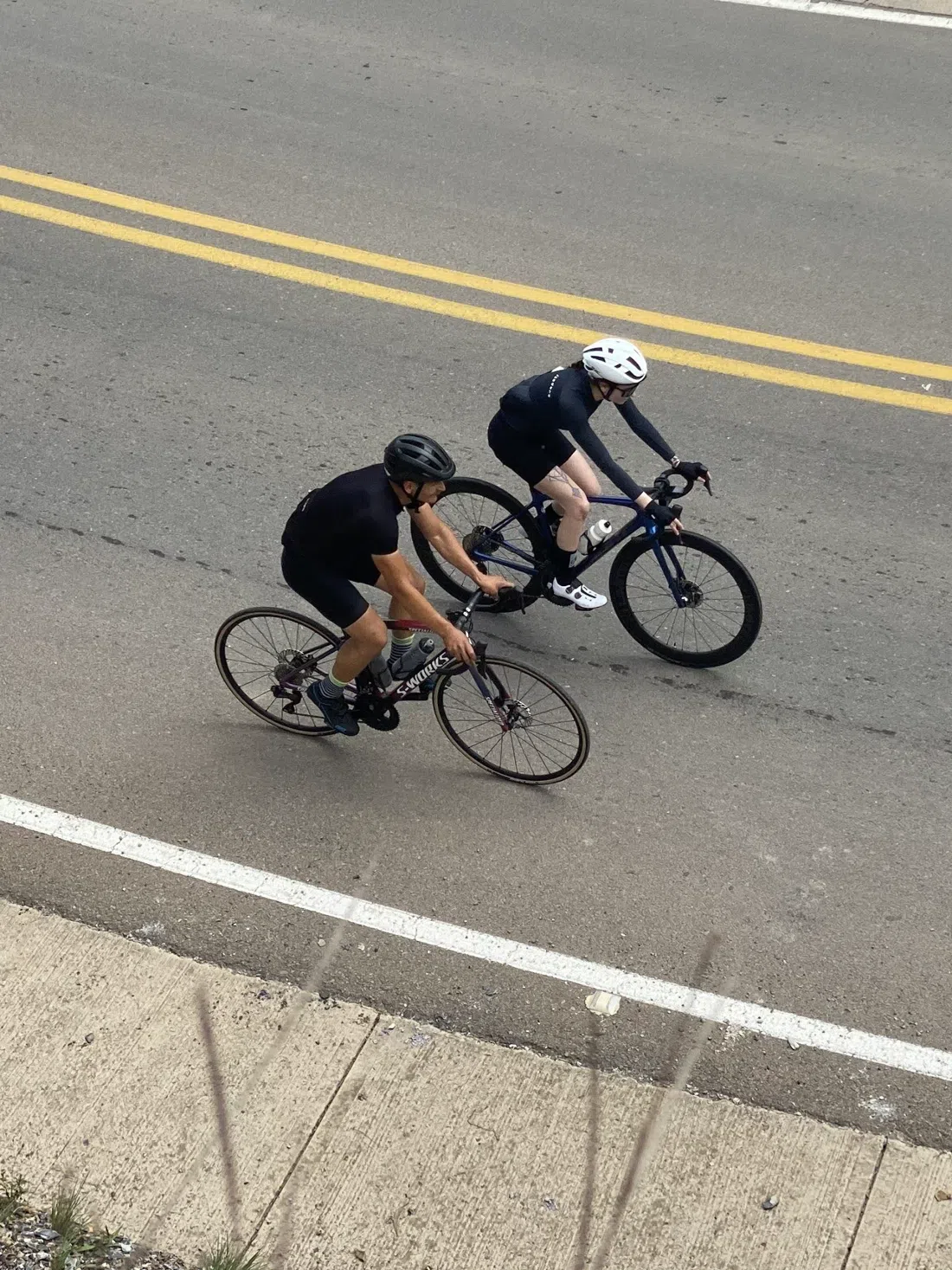
Bogotá's best cycling has nothing to do with climbing. The city sits at 2,640 metres on the southern lip of a savanna that runs north for sixty-odd kilometres of level farmland, drainage canal, greenhouse glass and eucalyptus windbreak, and on Sunday mornings a serious slice of the city rides out onto it. Learn where the flat road goes and you get a weekend that starts at your hotel door and ends underground in a salt mine, waist-deep in mineral water, or on a signed circuit around a reservoir.
The altitude is the only real climb
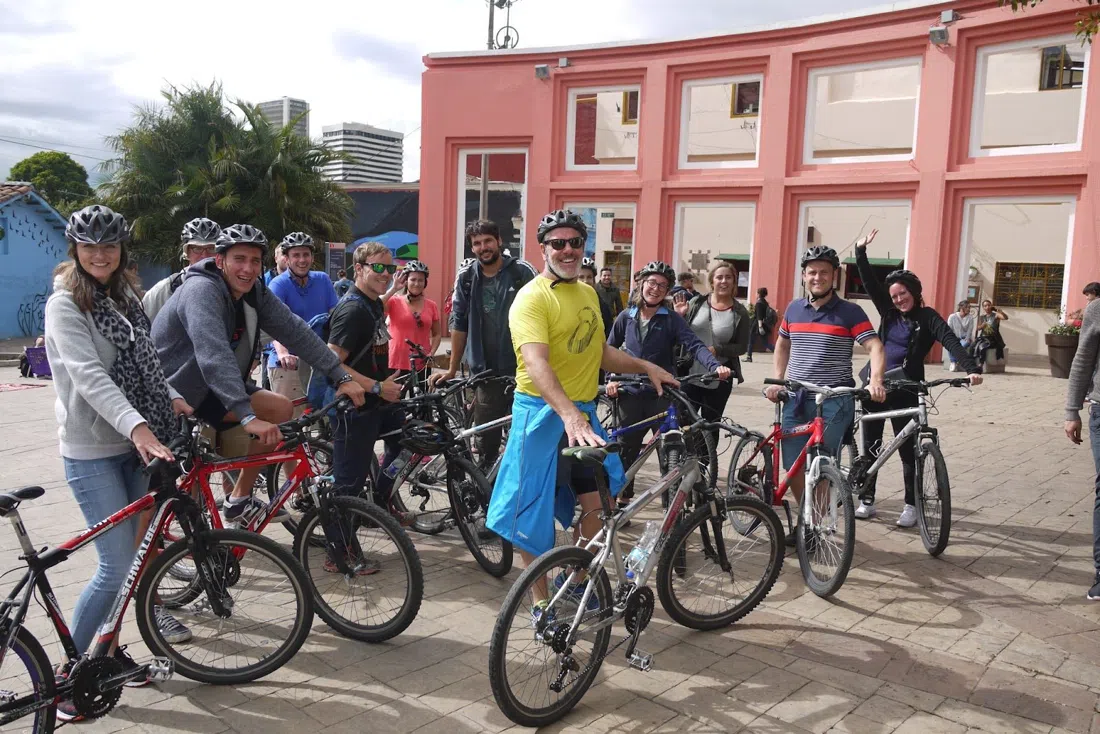
Everything on this plateau is easy except the air. At 2,640 metres your first hour on a bike feels like someone swapped your lungs for a smaller pair, and the honest plan is to spend your first day riding badly on purpose. Bogotá Bike Tours (Carrera 3 #12-42, La Candelaria) exists for exactly that: daily group tours at 10:30 and 13:30 with no reservation needed, walk-ups fine, private tours on request, and hourly rentals at 15,000 COP (around USD 3.50) if you would rather potter the colonial grid alone. Guided tours start around 60,000 COP. They are not a Sabana operator. What they run is a flat loop through the old centre at city altitude, which is precisely the reconnaissance you want before committing to eighty kilometres of plateau.
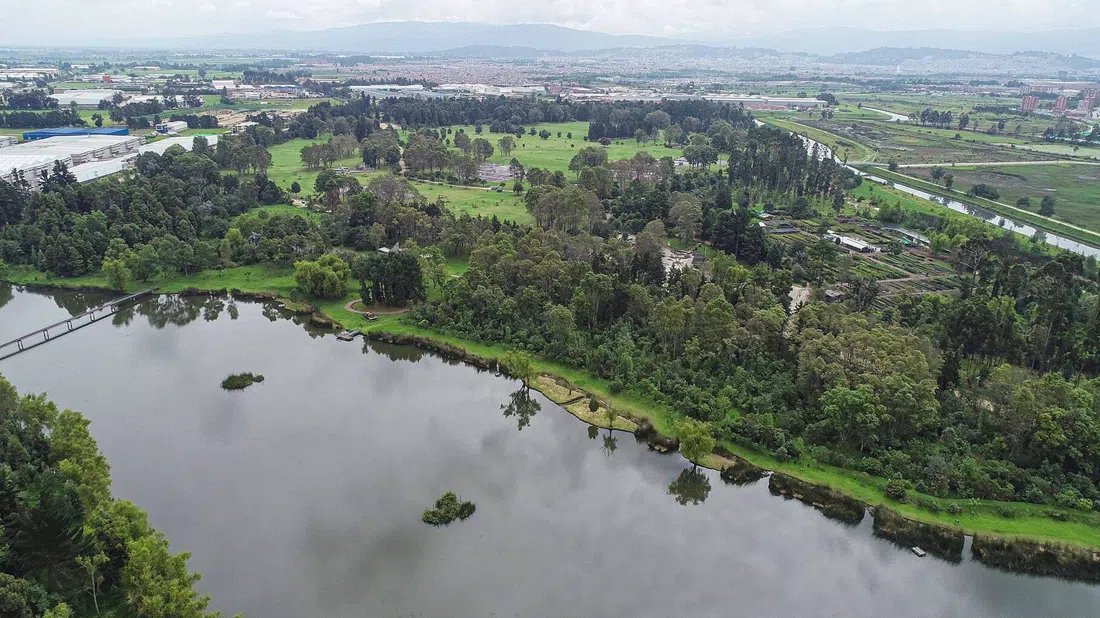
If you landed with legs already and want them moving away from traffic, Parque Regional La Florida (regional park on the savanna floor, west of the city) is the unglamorous right answer. Free, open daily 6am to 6pm, flat circuits, a velodrome-style track and a wetland full of Andean birds. Nothing is booked and nobody checks you in, so it is the obvious place to park a mixed-ability group and let the nervous riders find out what this altitude does to them without a truck passing a metre from their elbow. For the city half of the trip (where to eat, how the districts fit together), the [Bogota guide] fills in what a cycling piece skips.
Sunday morning belongs to closed streets
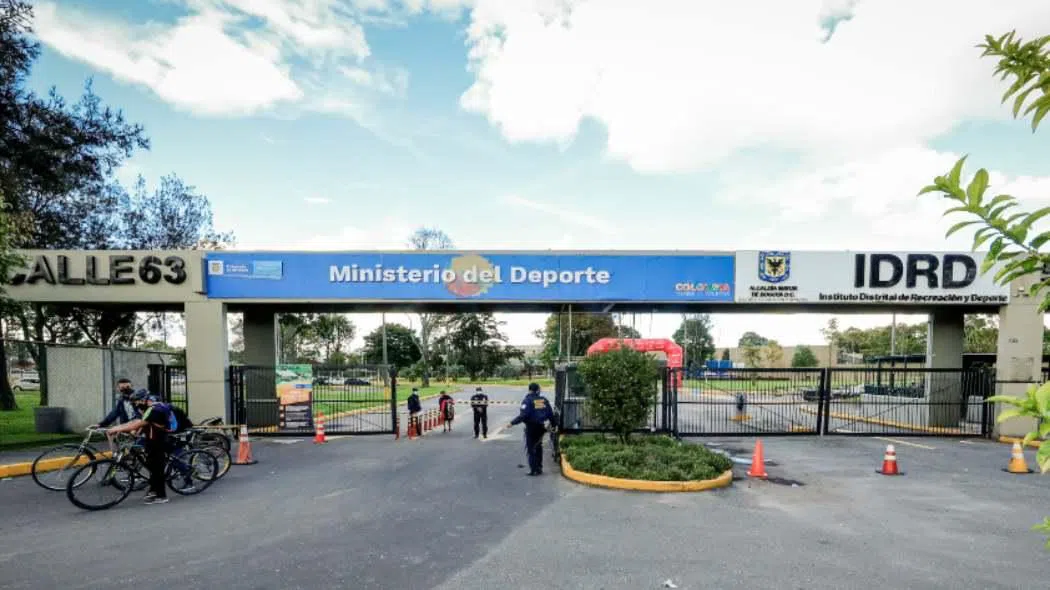
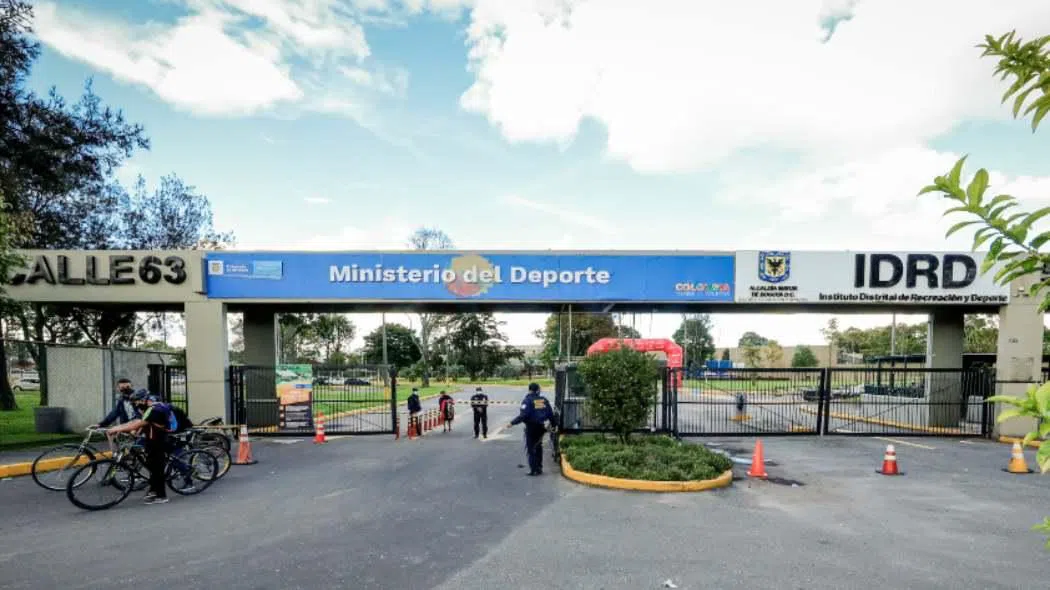
Ciclovía Bogotá (IDRD, citywide) is the on-ramp, and it is the reason this whole itinerary works without a car. Every Sunday and public holiday from 7am to 2pm the city hands 141.46 km of road over to bicycles (the figure has grown from the 128 km still quoted in older write-ups), and there is no door policy, because it is public street. Ride it in any number you like. Clubs treat it as the standard 7am muster before heading north out of town, and you should copy them exactly: the barriers come back up at 2pm, so plan your outbound leg on closed tarmac and accept open road for the return, when city traffic has settled anyway. Free, all of it.
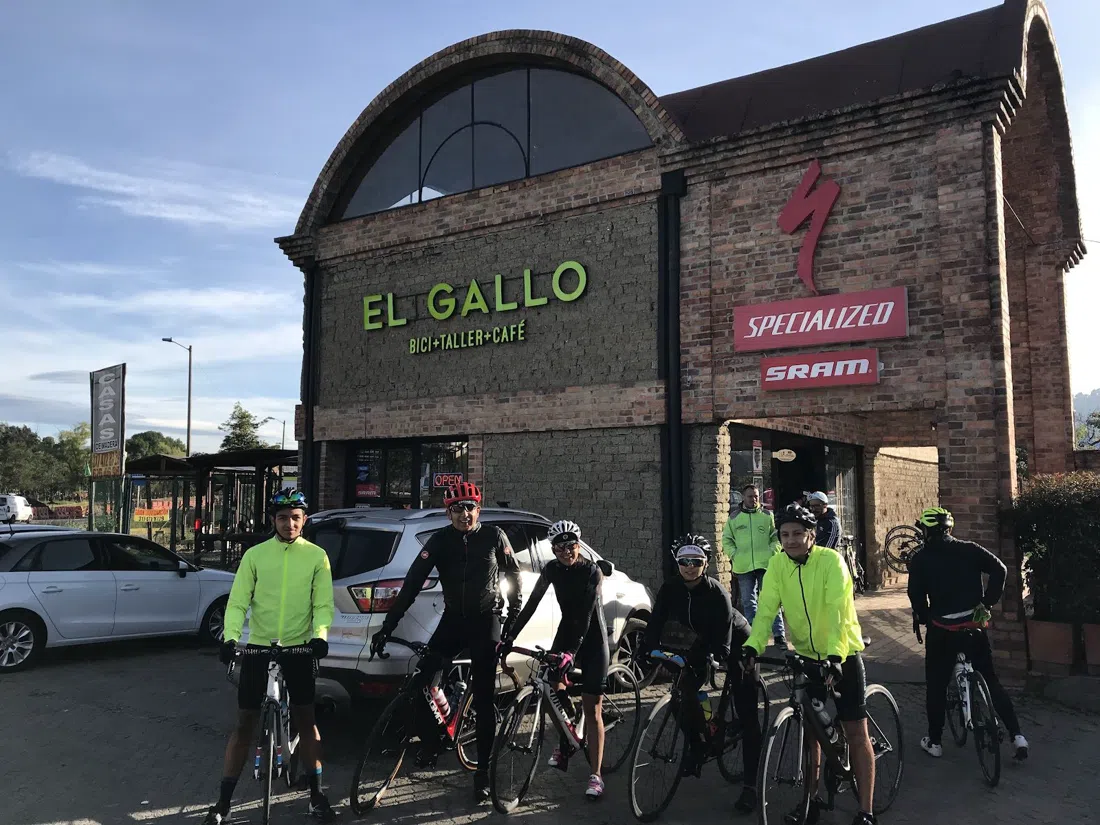
The launch point once the city thins out is El Gallo (bici, taller and café, Km 20 on the Bogotá–Chía road, 3 km past the toll). It opens Tuesday to Sunday at 5:54am, which tells you everything about who it is for. Coffee and pan de waffle run 10,000 to 25,000 COP (USD 2.50 to 6), there is free parking if part of your group drives out to meet the riders, and the room is big enough to muster a peloton indoors when the plateau wind is up. It is also a full Specialized service centre, so a snapped cable or a wrecked rear mech at 6am does not end your weekend. From here the standard onward runs are Sopó and, for the ambitious, Neusa.
Borrowing a bike worth riding
Flying a bike into a high-altitude capital for two days of riding is a poor trade. Colombian Road Heights (Cra 2 #62a-40) solves it by delivering Pinarello, Specialized, Trek, Giant, Cannondale, Cervélo and Canyon road bikes to your hotel and collecting them after the ride. They take multi-bike bookings and will drop a whole group's fleet at one address, which matters when six of you are staying together and nobody wants to negotiate a taxi with a bike box. Day rates are not published; everything is quoted on request over WhatsApp at +57 322 394 3003. Message early, confirm frame sizes in writing, and pin down the delivery window before you rely on a 6am start.
North to the salt
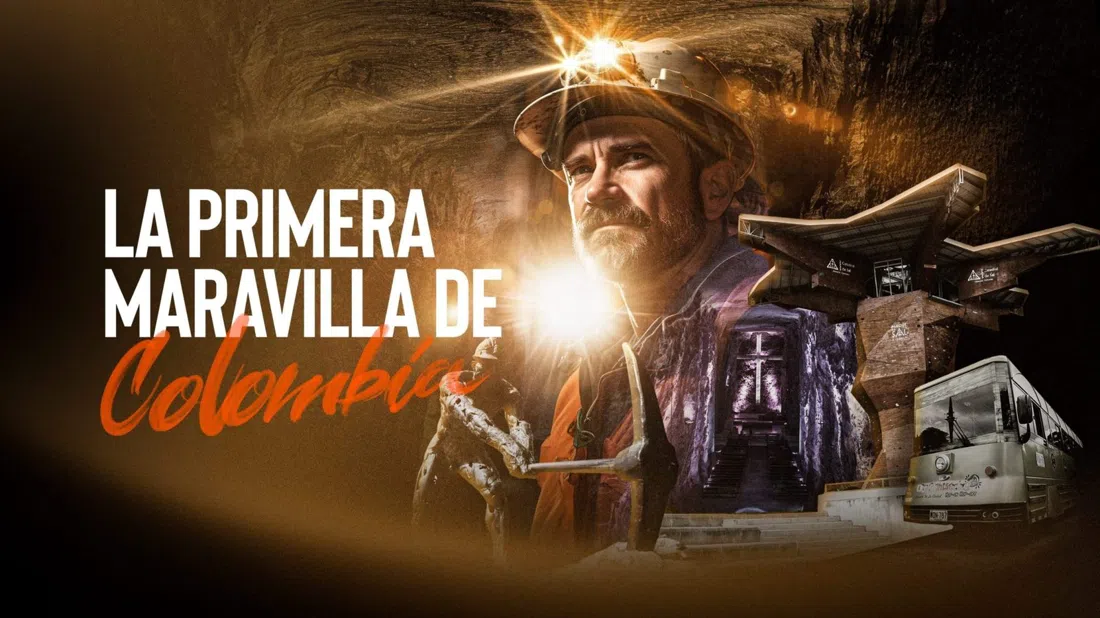
The flat northern run has a genuine destination, which is rarer than it sounds in day-ride country. Catedral de Sal de Zipaquirá (Carrera 6 at Calle 1, Zipaquirá) sits 50 km out on the plateau and is the one Sabana sight that would justify the ride even if the road were dull. It is open daily from 9am with last entry at 4:40pm, and you should allow about three hours inside. Entry is from 75,000 COP for Colombians and 125,000 COP for foreign adults (roughly USD 18 and USD 30). Large groups must reserve ahead, on a dedicated group line on WhatsApp at +57 315 760 7376. Do the timing maths honestly: 50 km out, three hours underground in cold air at altitude, then 50 km back. Most riders should plan to return by train, car or support vehicle rather than turn a fine day into a grim one.
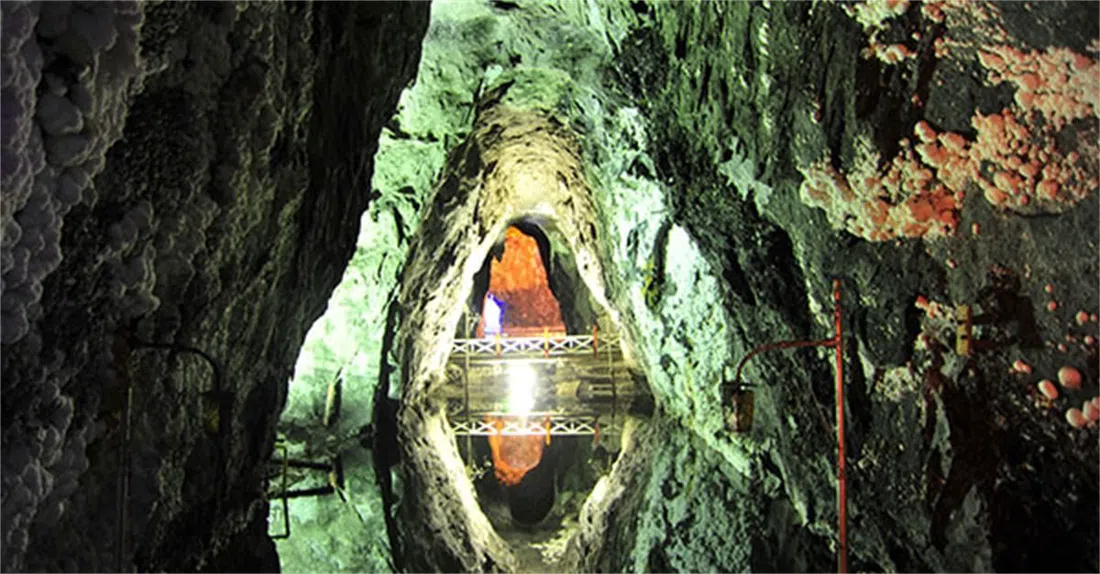
If a salt cathedral is already on your list, Mina de Sal de Nemocón (Nemocón, 15 km further north) is the stranger, quieter sibling that earns the extra flat hour. Tickets run about 30,000 to 80,000 COP depending on nationality and age (USD 7 to 19), it is open daily 9am to 5pm, the underground portion takes about an hour, and entry includes the Museo de Historia Natural de la Sabana. Visits go in timed, guided batches with limited capacity, so book ahead for a group. Dates can be changed free of charge up to 48 hours out, which is useful when the weather on the plateau turns.
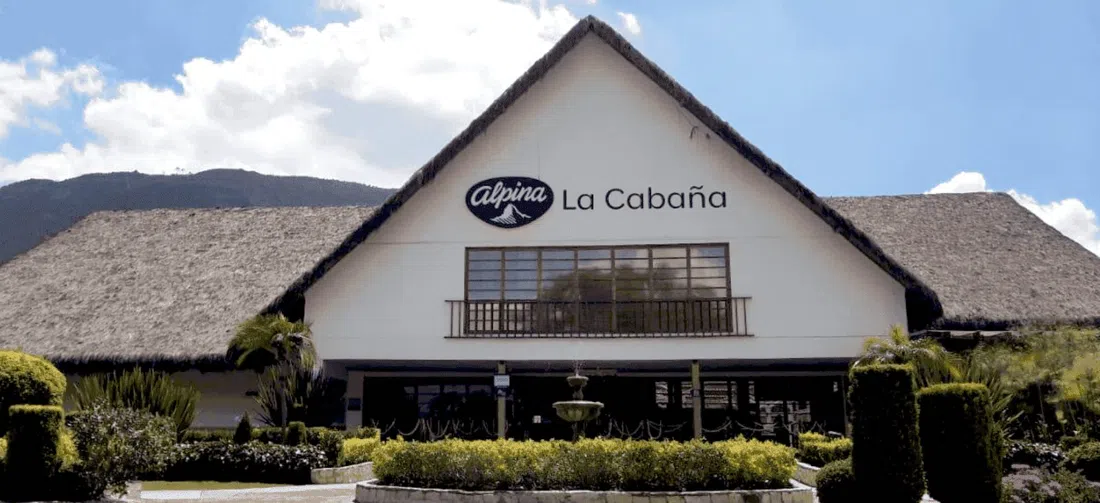
Refuelling on this corridor happens at La Cabaña Alpina (dairy shop and café on the northern road), the canonical Sabana stop: giant artisanal cheeses and desserts you cannot buy anywhere else in the country, 10,000 to 40,000 COP (USD 2.50 to 10). Open Monday to Friday 8am to 6pm and 8am to 7pm at weekends and on holidays. Big car park, outdoor seating, dogs welcome, no reservation culture at all, so groups simply arrive. Bring a padlock, because there is no secure bike rack, only the car park.
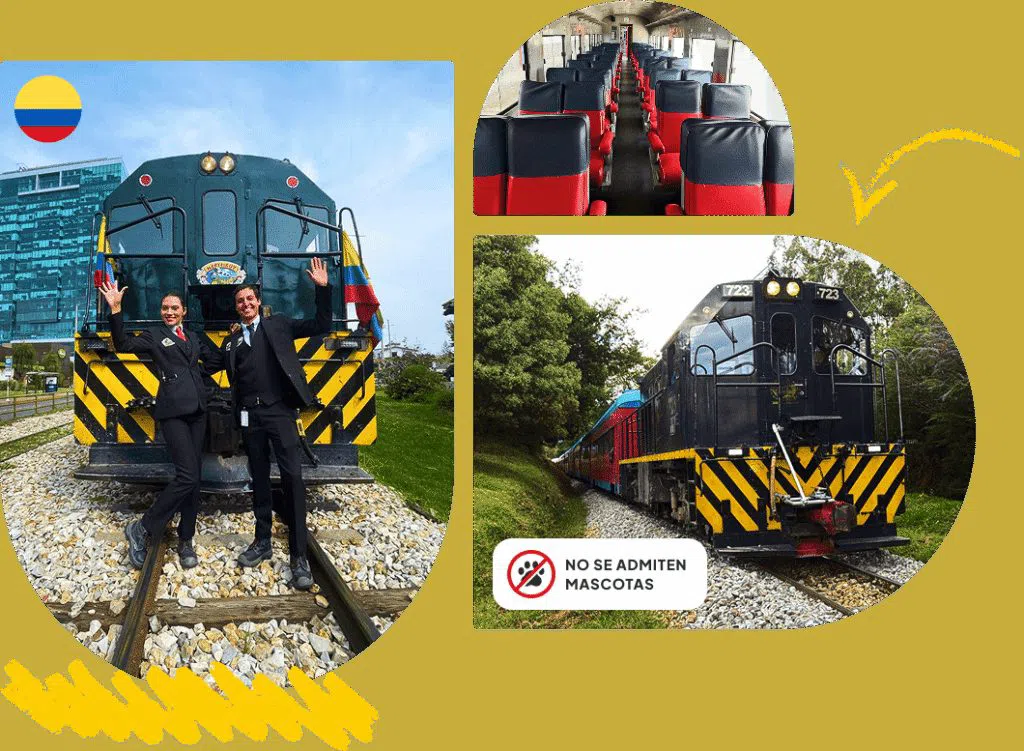
For the ride-out, train-back plan, Tren de la Sabana (Turistren, from Gran Estación) runs steam on Sundays and diesel on Saturdays and holidays: 8:45am from Gran Estación, 9:15 at Usaquén, 10:45 into Zipaquirá, back at 3:15pm. Tickets are 96,000 COP for adults and 90,000 COP for children 3 to 12 and over-60s (about USD 23 and USD 21), with group bookings through the ticketing agency or the station counters and carriage D holding back same-day seats subject to availability. One warning decides itineraries: Turistren publishes no bicycle policy whatsoever. Confirm by phone before you count on loading a bike, and check your specific date, because the operator suspended service on 26 and 27 September 2026 at short notice.
West through Tenjo to hot water
The western loop through Cota, Tenjo and Tabio is the flattest four hours available out of the city and the most agricultural. It starts, sensibly, with breakfast at Restaurante Campestre La Granja Tenjo (Km 12 of the Vía Siberia–Tenjo), which sits directly on the flattest exit road out of Bogotá and is ranked first of 24 restaurants in Tenjo on 389 reviews. Mains are 45,000 to 80,000 COP (USD 11 to 20), they take reservations, they are pet-friendly, and they run more than twenty creative workshops, which is the practical answer for a mixed party where half the group has no intention of riding anywhere. Because breakfast is served, it works as either the first stop or the last.

The payoff at the far end is Termales El Zipa (municipal thermal baths, at the Tabio end of the loop): mineral water at 2,600 metres after four hours in the plateau wind. It is 30,000 COP for adults and 20,000 COP for children aged 3 to 11 (about USD 7 and USD 5), municipally run, so groups walk straight in with no cover charge and no policy beyond capacity. Check the day carefully, though, because the two pools keep different diaries: the big tourist pool runs Wednesday to Saturday 8am to 4pm and Sundays and holidays 9am to 5pm, while the small medicinal pool opens only on Fridays, Saturdays, Sundays and holidays.

Gravel, reservoir and rock at the far end
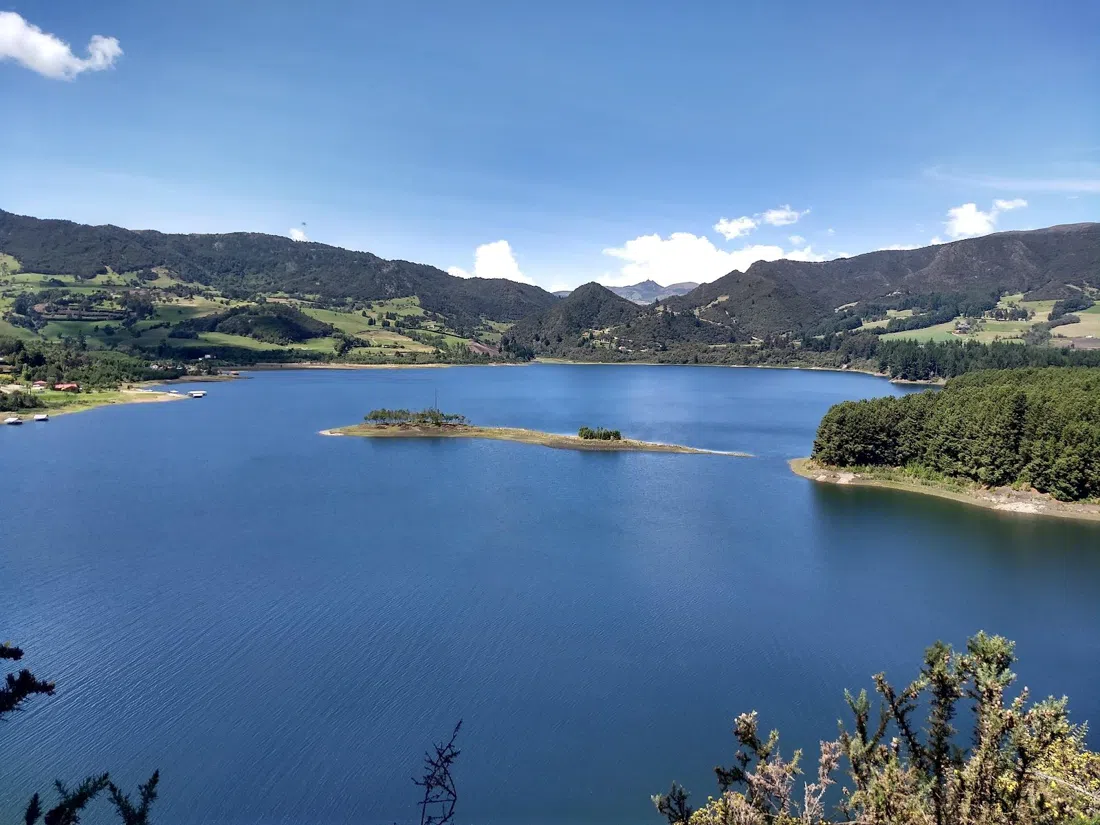
Embalse del Neusa (regional park straddling Cogua and Tausa) has a signed 33 km cycling circuit, which makes it the best off-highway riding within a day of the city: no highway shoulder, no lorries, no negotiating with traffic that does not expect you. Entry is a modest 10,000 to 20,000 COP per person. Hours are Monday to Thursday 8am to 4pm and Friday to Sunday plus pre-holidays 7am to 7:30pm, and there are camping areas, barbecue pits, restaurants and cabins, so a group that wants to stay the night can. Be straight with yourself about the approach: the last 15 km in are a climb, not flat. This is the one honest exception on the page.
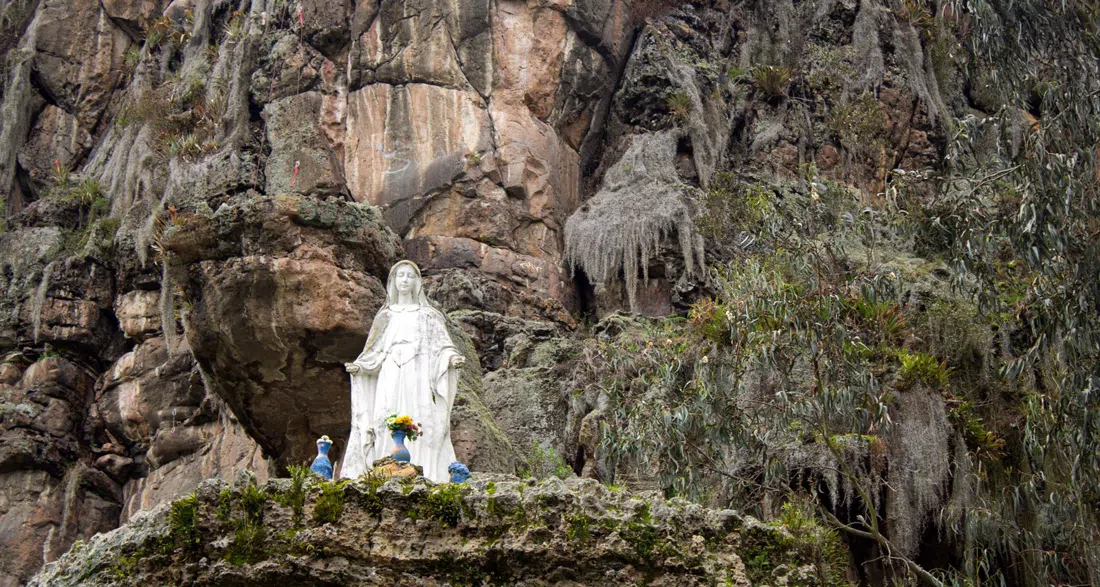
The furthest reasonable day-ride is Rocas de Suesca (the rock base at Suesca), about 60 km north along the flat rail corridor through Briceño and Sesquilé. It is the birthplace of Colombian rock climbing, the base is open access and free to ride or walk, and guided climbs start around 80,000 COP if someone in the group wants to trade the saddle for a harness. The town runs on weekend visitors, with climbing schools, hotels and restaurants set up for groups arriving from the city, and the signed Ruta Güecha (part of the regional BiciRegión network) links it on to Sisga and Cucunubá if you have a second day.
When you want someone else to carry the water
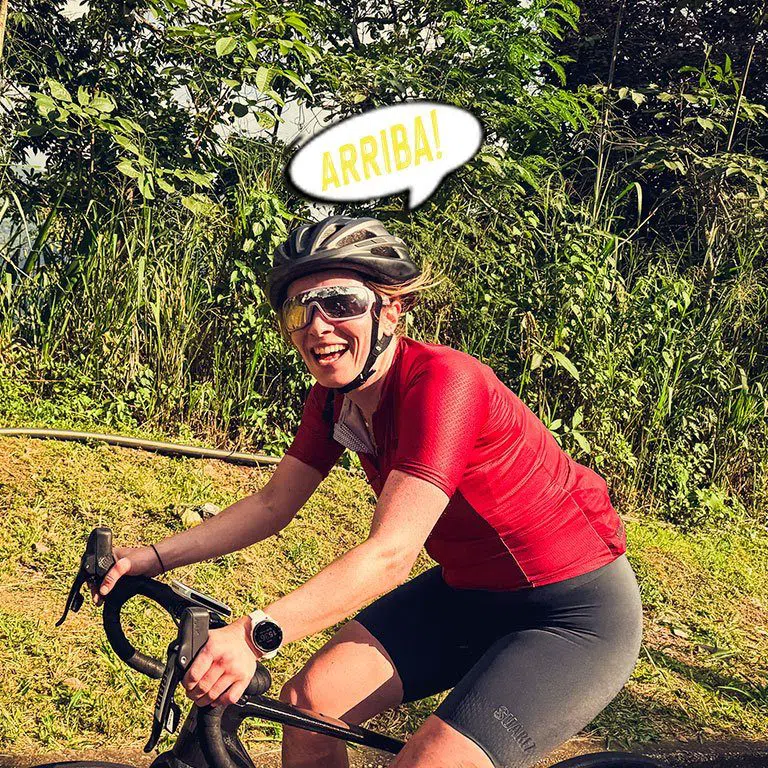
Supported riding on the Sabana is worth the money if your group is mixed or your time is short. Cyclota (also trading as Arriba Travel: one company, one phone and one email, [email protected], not two operators) runs the single best turnkey day on the flatlands. The Savanna Day Tour is USD 280 to 350 per person with bike rental at USD 70 more, offers 35 to 100 km options over roughly seven hours, and includes lunch, guides, a loaded follow vehicle and transport laid on for partners who are not riding. Private dates for your own party are standard.
Colombici (Colombici SAS, Carrera 21 #101-33) goes deeper. It is private-only by design, founder-led, with just six departures a year, and solo riders are welcome to join a private set-up. The three-day Unseen Savannah starts from USD 990 per person with accommodation excluded, and its route is the most complete read of the plateau available: Cajicá, Neusa, Zipaquirá, Subachoque, La Pradera, Guatavita and Sesquilé, including the town Egan Bernal grew up in. Tourism registrations #176025 and #176023 if you want to check the paperwork, which for a multi-day ride you should.
The night that has to come last
Andrés Carne de Res (Chía) is the reason half the city rides north in the first place: 25 flat kilometres out, and the single most famous room on the Sabana. It is actively built for groups, takes reservations for parties of any size and cancels free up to 24 hours out. Cover plus dinner typically lands at 150,000 to 400,000 COP a head (USD 35 to 95), with packaged entries from around USD 101 per person. Be clear-eyed about what it is: a late, loud, heavy-drinking night. Schedule it as the end of the trip, never the evening before a ride.
Planning the weekend
Getting out is the easy part. Use the Sunday or holiday street closure to leave the city on closed road before 2pm, or drive to Km 20 on the northern road and start from the café; groups that drive out have free parking there and at the dairy stop. If you plan to ride out and train back, phone the railway first, because the bicycle question is unresolved in writing and whole weekends have been cancelled at short notice.
Carry cash in Colombian pesos. Park entries, the baths, the dairy counter and small-town lunches are all cash-comfortable and card-uncertain, and none of them are expensive: reckon 10,000 to 20,000 COP for a park, 30,000 for the baths, 45,000 to 80,000 for a proper countryside lunch. Timing is the real planning variable. Sundays and public holidays give you the closed streets and the steam train, Saturdays give you the diesel service, the reservoir shuts at 4pm Monday to Thursday, and the medicinal pool only opens Friday to Sunday and on holidays.
On budget: a self-guided savanna day comes in around bike hire plus 50,000 to 100,000 COP of food and entries. A fully supported day with a follow vehicle is USD 280 to 350, and the three-day private route from USD 990 excluding rooms. Stay on the northern side of the city if you want 6am starts without crossing it twice; a [Bogota hotel search] sorted by district will save you an hour of dark riding on both days.