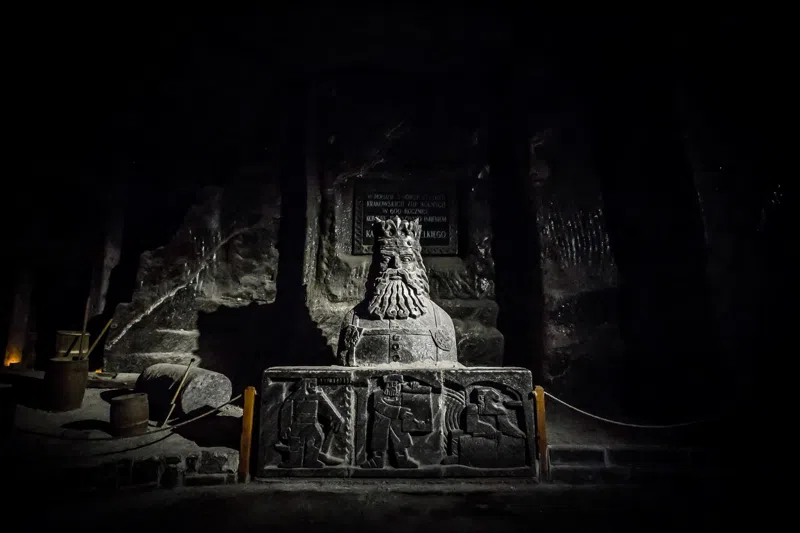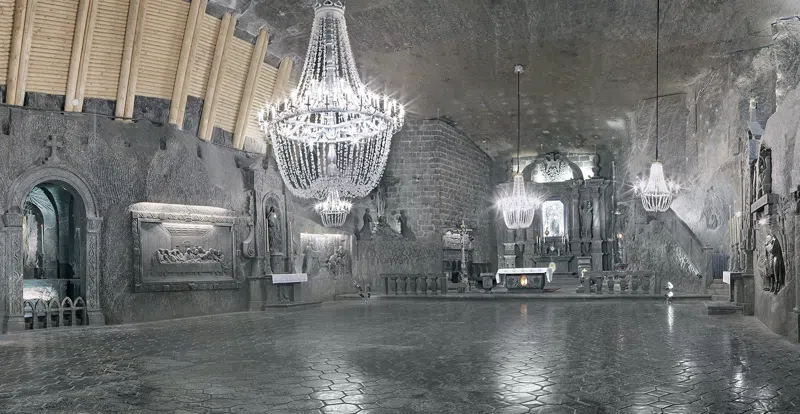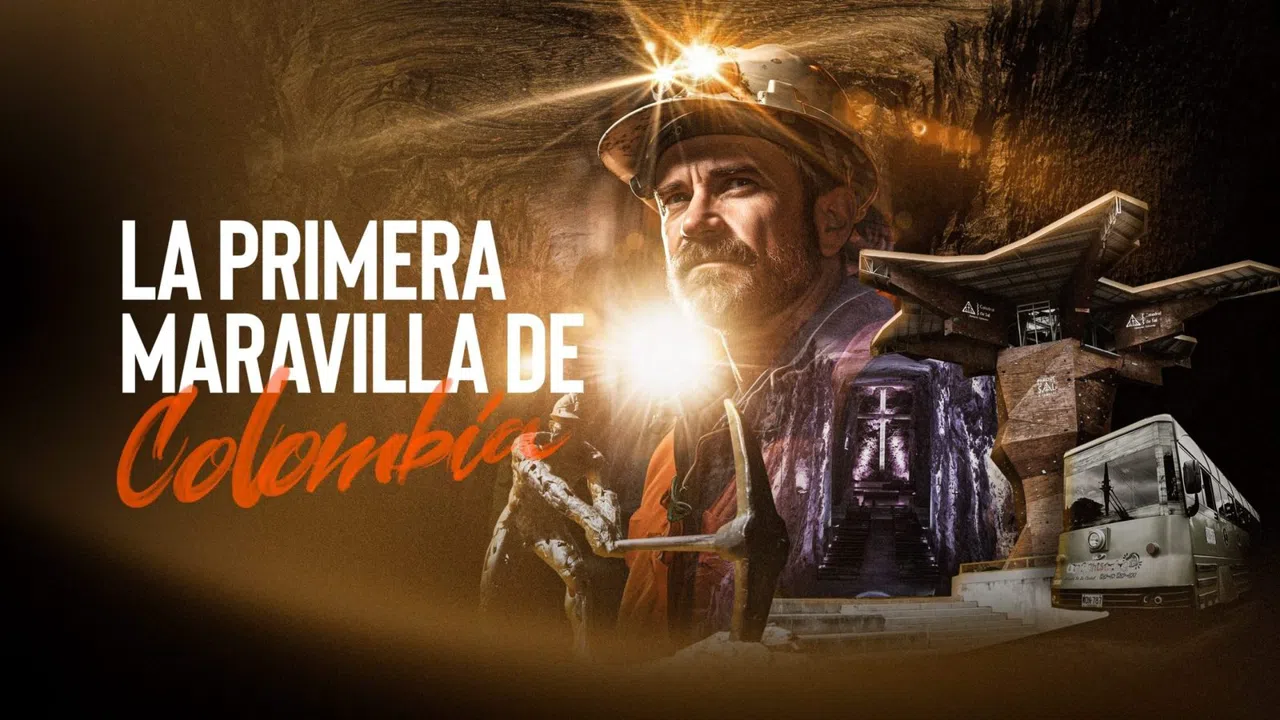

Ninety minutes north of Bogotá, a staircase drops through solid rock salt until daylight disappears entirely, and at the bottom stands a working cathedral lit only by coloured light bouncing off halite walls. This is not a theme-park stand-in for a church. Mass is said down here, in a nave carved out of a mine that still produces salt for the country. Zipaquirá built its identity on that contradiction long before anyone thought to package it as a day trip.
Descending into the mine that doubles as a church
The Salt Cathedral of Zipaquirá (Parque de la Sal, on the town's northern edge) is the reason people make this trip at all, and it earns the reputation on scale as much as atmosphere. A former mining tunnel drops you past 14 stations of the cross carved directly into salt rock, into a nave the length of a football pitch where a vast cross is lit from behind the rock itself. It's genuinely consecrated ground, baptisms and weddings happen here, set inside a mine that has pulled halite from this mountain since long before the Muisca people who first worked it. Audio guides run in seven languages, professional guides are assigned by group, and the car park handles full tour buses without a fuss. This is built for volume, not intimacy. Weekend mornings queue hard, so if you're travelling with any kind of group, book the slot ahead rather than turning up and hoping. Entry runs roughly COP 100,000-160,000 (about $25-40) depending on which package you take: a basic ticket versus one bundling the mining museum extras.
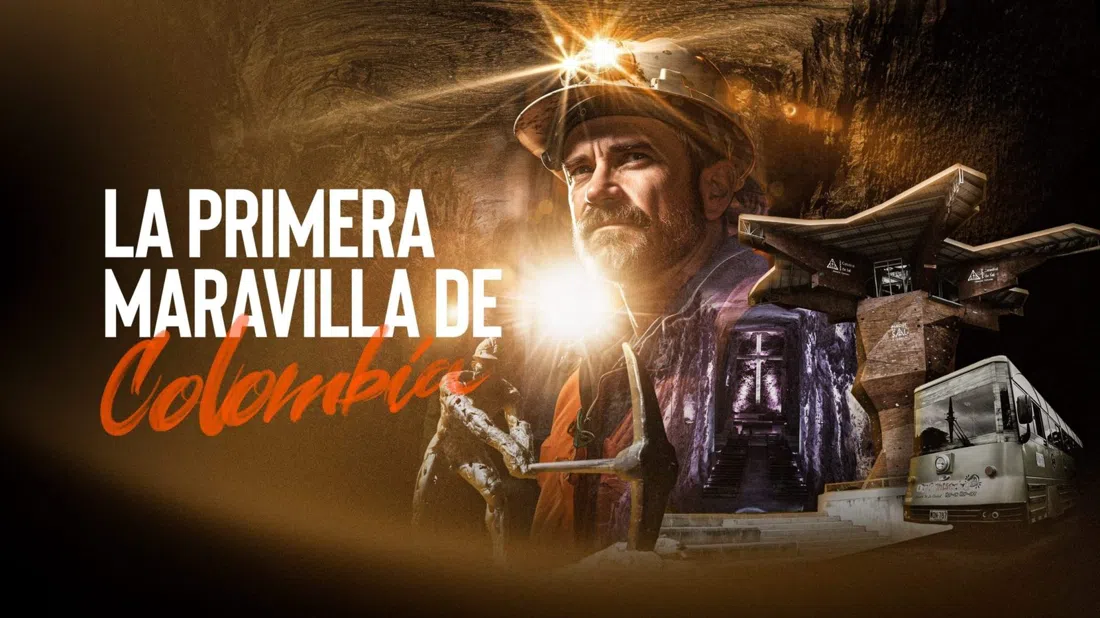
If you want the slow, deliberate approach that suits the subject, the Tren Turístico de la Sabana does it properly: a heritage train out of Bogotá that only runs Saturdays, Sundays and public holidays, with whole carriages bookable for groups. It sells out on peak weekends, so buy tickets around 15 days ahead rather than the week of. Adult fares sit around COP 85,000, with children and seniors at COP 80,000. Build the trip around a weekend if this is how you want to arrive. It will not run for you on a Tuesday, and no amount of asking at the station changes that. Anyone who's booked a Bogotá stay around a weekday itinerary should check this before locking in dates.
The counterpoint thirty minutes away
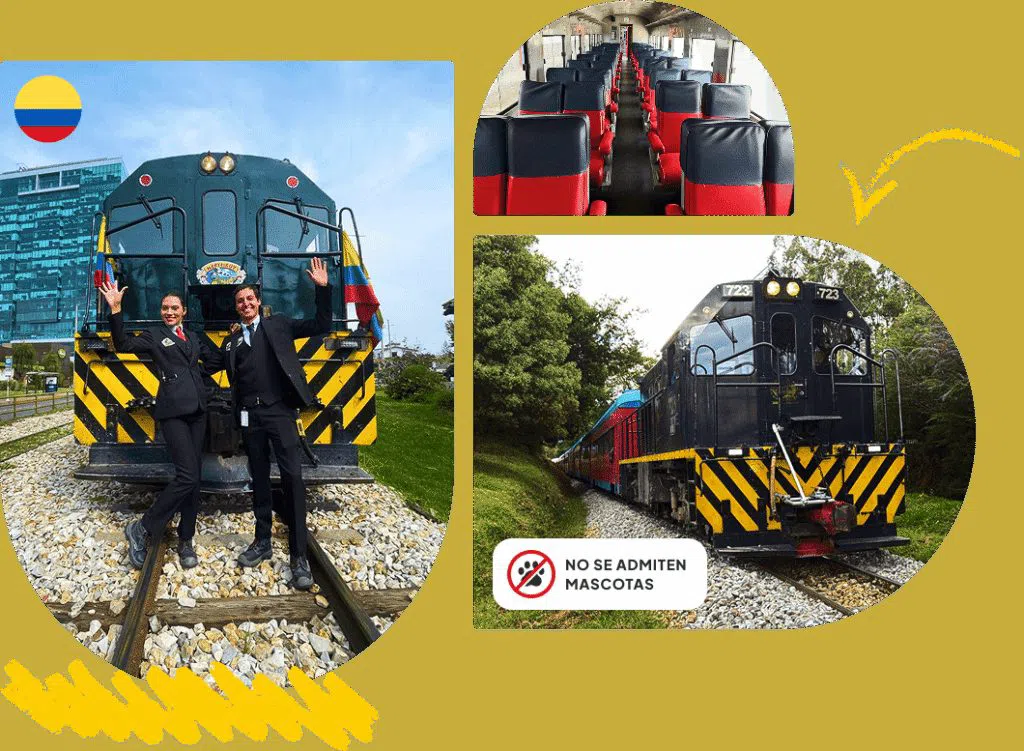
Most visitors do one salt mine and call it done, but Nemocón Salt Mine (Nemocón, a further 30 minutes past Zipaquirá) is worth the detour precisely because it isn't the Cathedral. There's no religious overlay, no coach-park infrastructure, just an older mine with a genuinely striking mirror lake formed where groundwater has pooled over the salt floor and turned reflective. Tours run on-demand with a two-person minimum, so solo travellers get folded into whichever group is heading down next rather than getting their own slot: fine if you're flexible on timing, less fine if you need a fixed departure. It suits small groups and couples far better than a 40-seat tour bus; there simply isn't the throughput. Foreigners pay around COP 60,000, with seniors and children at COP 50,000, for a guided tour of about 90 minutes. Seeing both mines back to back makes the point: the Cathedral isn't just a salt mine with lighting, it's a deliberate act of turning an industrial space into a place of worship, and Nemocón is that same industrial space without the second layer.
Zipaquirá before you go underground
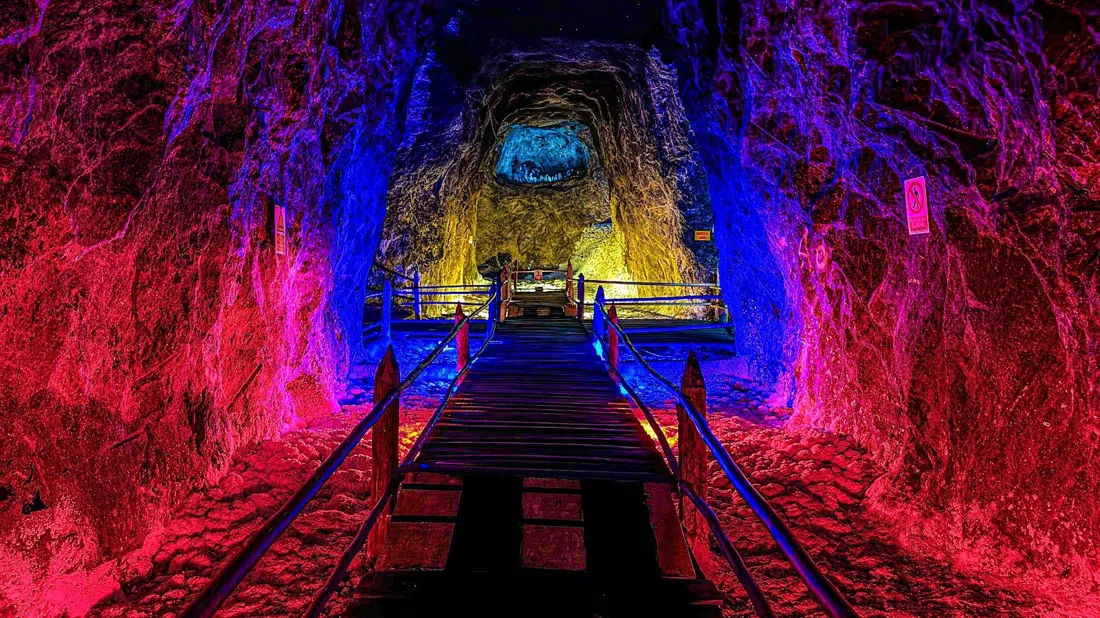
Give yourself an hour above ground before the descent. Plaza de los Comuneros (town centre, opposite the Cathedral's above-ground counterpart) is a proper colonial square with no capacity limits and no ticket. Walk it freely, and use it to get oriented before committing to a tour slot. Next to it sits the Diocesan Cathedral of Zipaquirá, built in stone and daylight. Putting the two cathedrals back to back, one baroque and lit by sun, one carved from rock salt and lit by coloured floodlight, sells the duality angle better than anything underground does on its own.
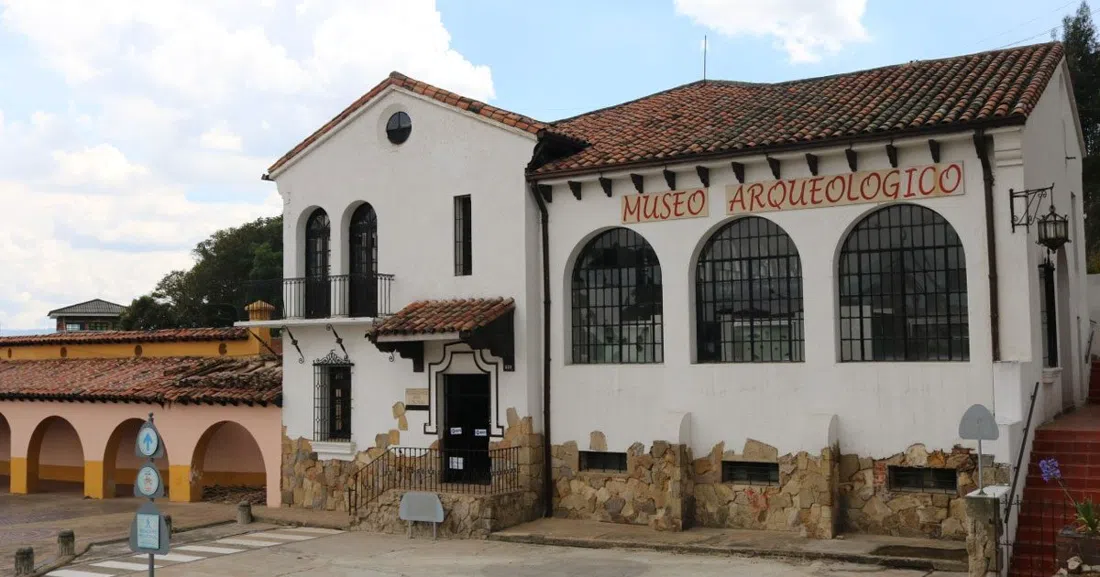
For the pre-Muisca context that most day-trippers skip entirely, the Museo Arqueológico de Zipaquirá (beside the plaza) is a small museum that handles a tour-bus load fine as long as entry is staggered. It's not built for one big rush through the door. It's a short visit, admission typically under COP 15,000, but it's the only place in town that gives you the salt-mining heritage of the region predating the Cathedral by centuries. Worth twenty minutes before or after the plaza, not a separate trip.
Where to eat once you've resurfaced
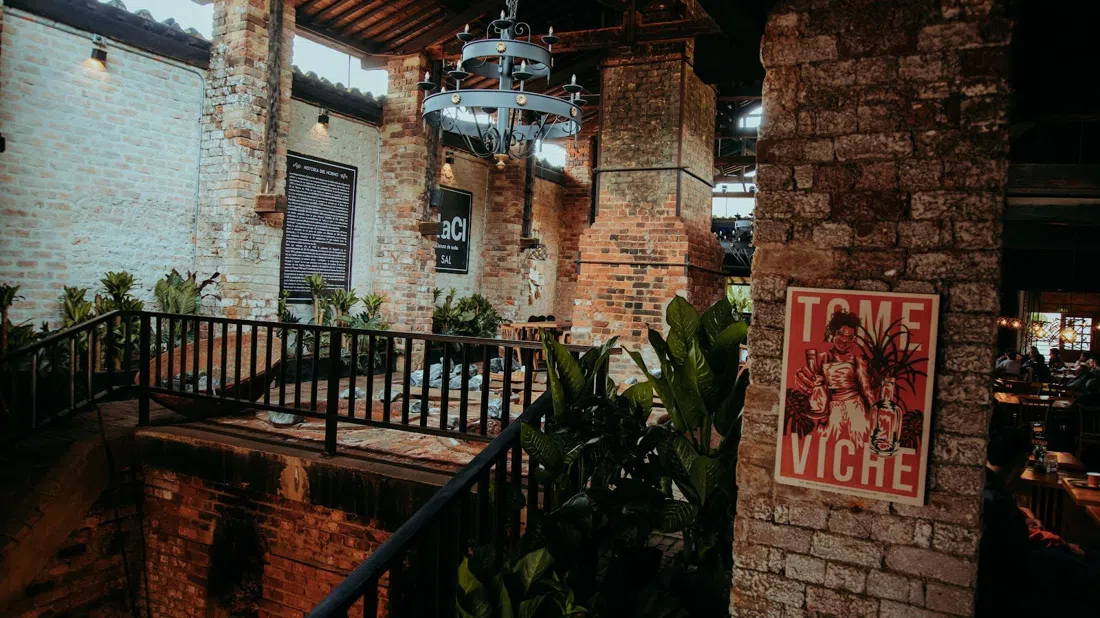
Zipaquirá's food scene skews toward groups and families rather than intimate dining, which suits the day-trip crowd the town mostly serves. Salario Restaurante Bar (a few blocks off the plaza) is the one place that carries the salt theme into its own architecture, and it's the natural pick for a sit-down closing meal. It takes reservations for groups and sits at the mid-range $$ level.
For the best plate in town on any objective measure, Parrilla & Cervecería Pie de Cumbre (edge of the historic centre) is rated the #1 restaurant locally at 4.8 out of 5, a large multi-area grill-and-brewery setup that's genuinely built for groups rather than merely tolerating them. Book ahead on weekends, when the coach parties from the Cathedral arrive at the same lunch hour you do. Also $$.

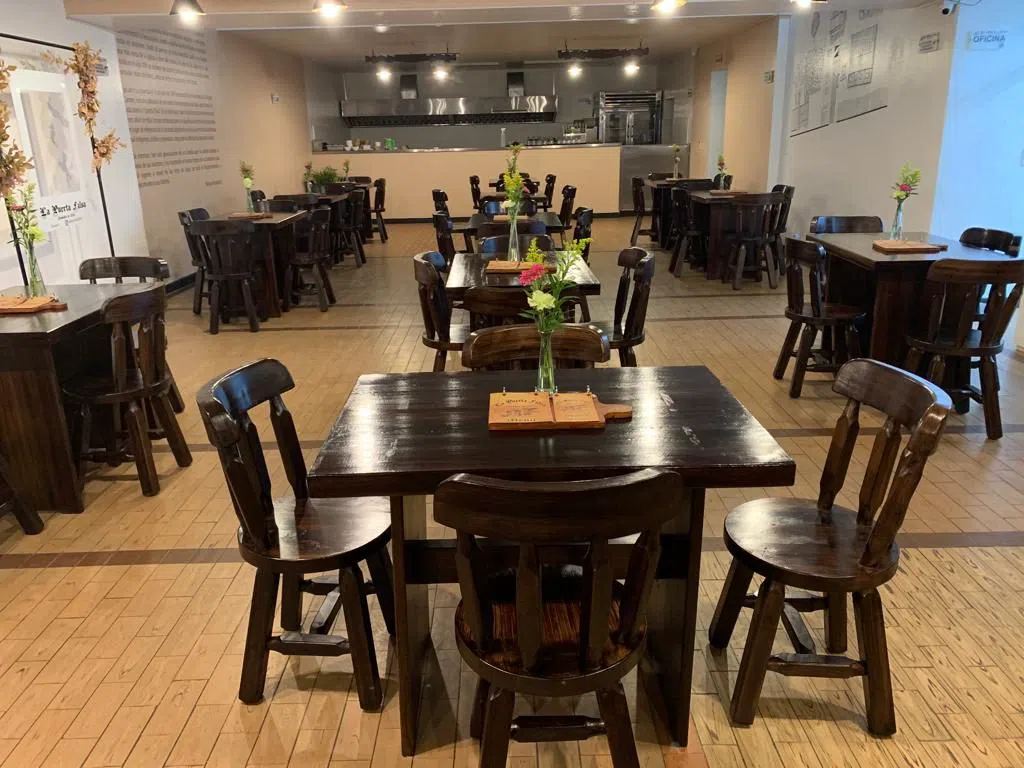
If you want something quicker and cheaper between the plaza and the Cathedral gate, La Puerta Falsa Zipaquirá is a small heritage café, an outpost of Bogotá's 200-year-old original, serving tamales and hot chocolate at genuinely budget prices ($). It's built for small groups, not coach parties, and it queues at peak times, so treat it as a pre-descent snack stop rather than a sit-down lunch plan.
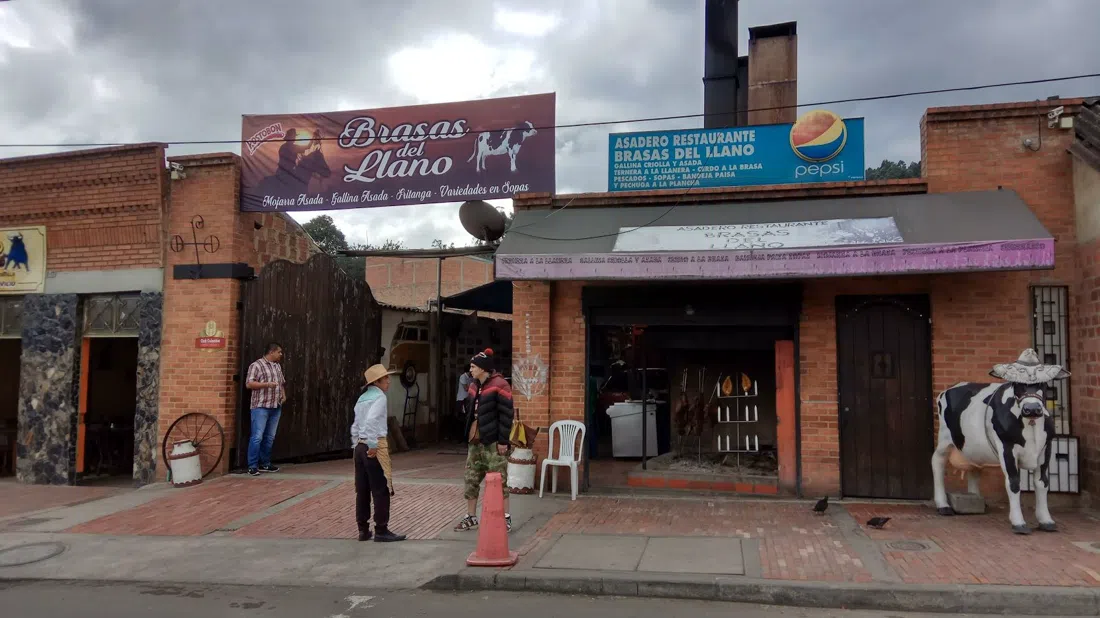
For a change of register entirely, Brasas del Llano (edge of town) does regional llanero-style grilling (plains beef cooked over open flame) in a large casual room that handles groups and families without strain, at roughly COP 40,000-60,000 a head. It's the pick if the group's had enough of steakhouse-and-beer-hall options and wants something with a different regional identity.
The view before you head back to Bogotá
Close the day at the Mirador del Zipa, an informal outdoor terrace above town that gives you the reverse angle on everything you've just done underground: the mountain from outside, the town laid out below it. It's an easy stop for a couple or a small group but isn't set up for a full tour bus, so treat it as a coda rather than a group-itinerary stop. It's free, or low-cost if you pair it with the attached restaurant, and it's the right note to end on. You came down into the mountain to see a cathedral built out of salt; this is where you go to look at the mountain from outside again and understand the scale of what you just walked through.
Getting there, cash and timing
Zipaquirá sits roughly 50km north of Bogotá. By road it's about 90 minutes to two hours each way depending on traffic out of the city, and most visitors do it as a single long day trip rather than an overnight. If you're basing yourself in the capital for a few days either side, sort your Bogota hotel search before you fix the day you'll do this trip, since the weekend-only train changes which dates actually work.
Buses run frequently from Bogotá's Portal del Norte terminal and are the cheapest option; private transfers and organised tours cost more but remove the timing risk if you're set on the Saturday or Sunday train. Whichever way you arrive, carry cash: COP 100,000-200,000 covers Cathedral entry plus a meal comfortably, and smaller vendors and the museum don't reliably take cards. Mornings are cooler and less crowded at the Cathedral; afternoons get the coach-tour crush, so if queueing isn't your thing, arrive by mid-morning. Budget the better part of a full day for the Cathedral alone if you want to do it without rushing, and treat Nemocón as a separate trip rather than trying to bolt both mines onto one afternoon. The driving time between them eats into what should be unhurried time underground. For a fuller picture of where this trip fits into a longer Bogotá stay, the Bogota guide covers the rest of the city around it.