For decades the best of it left the country before anyone here got to taste it — green beans trucked out of the coffee zones to be roasted, cupped and paid for somewhere else, while Bogotá drank instant granules from a jar, like almost every country that grows coffee and doesn't keep it. My late uncle used to joke that Colombia exported its coffee and imported its cappuccinos, and by the time he stopped saying it, it wasn't true anymore. Bogotá in 2026 has a real café society — third-wave roasters with their own farms, cupping labs that teach the public to taste, a container-format bar that might be Zona G's most honest secret — and it deserves to be understood as its own scene, not a stopover on the way to a museum.
Where the Story Begins: The Third-Wave Anchors
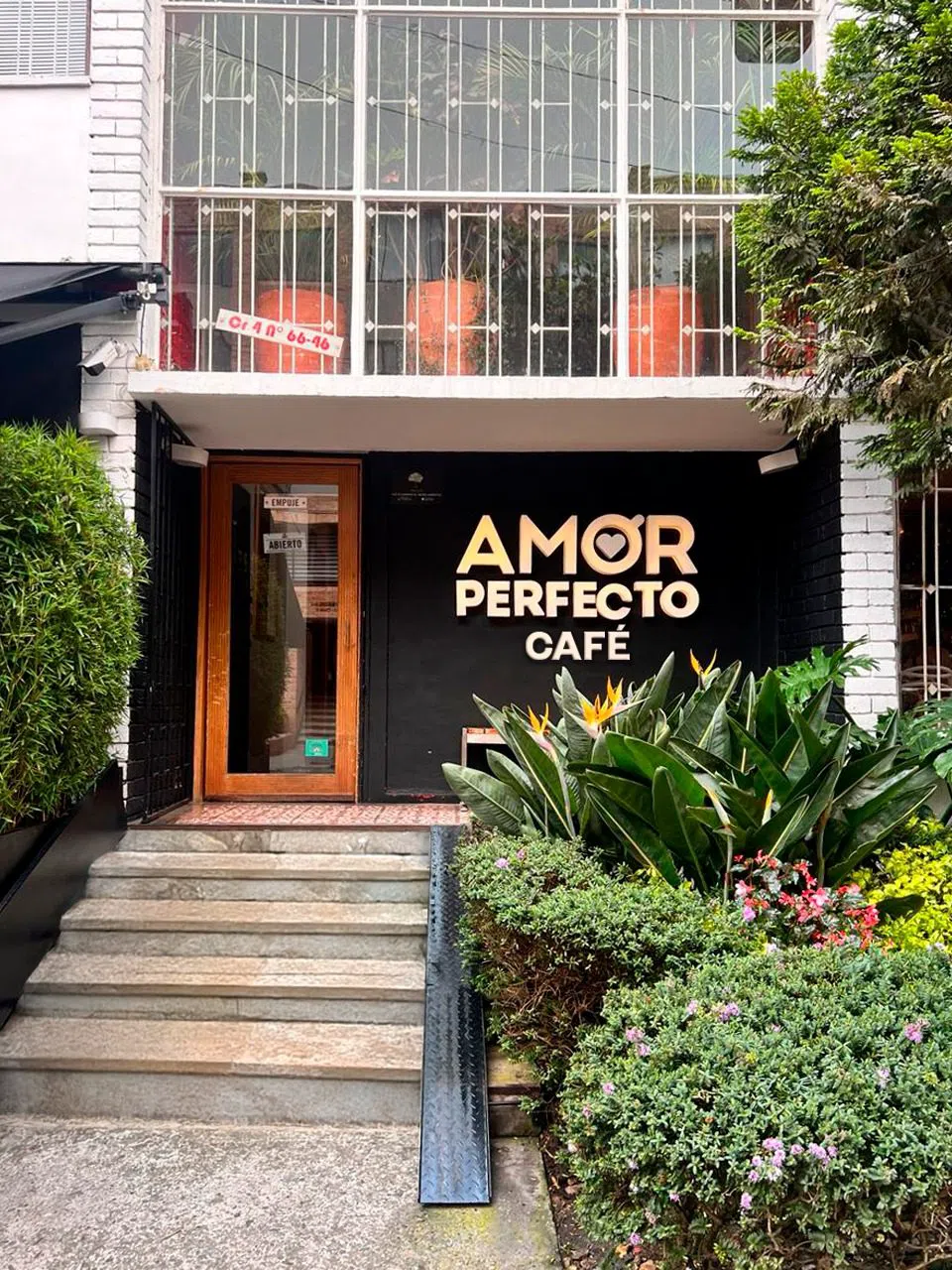
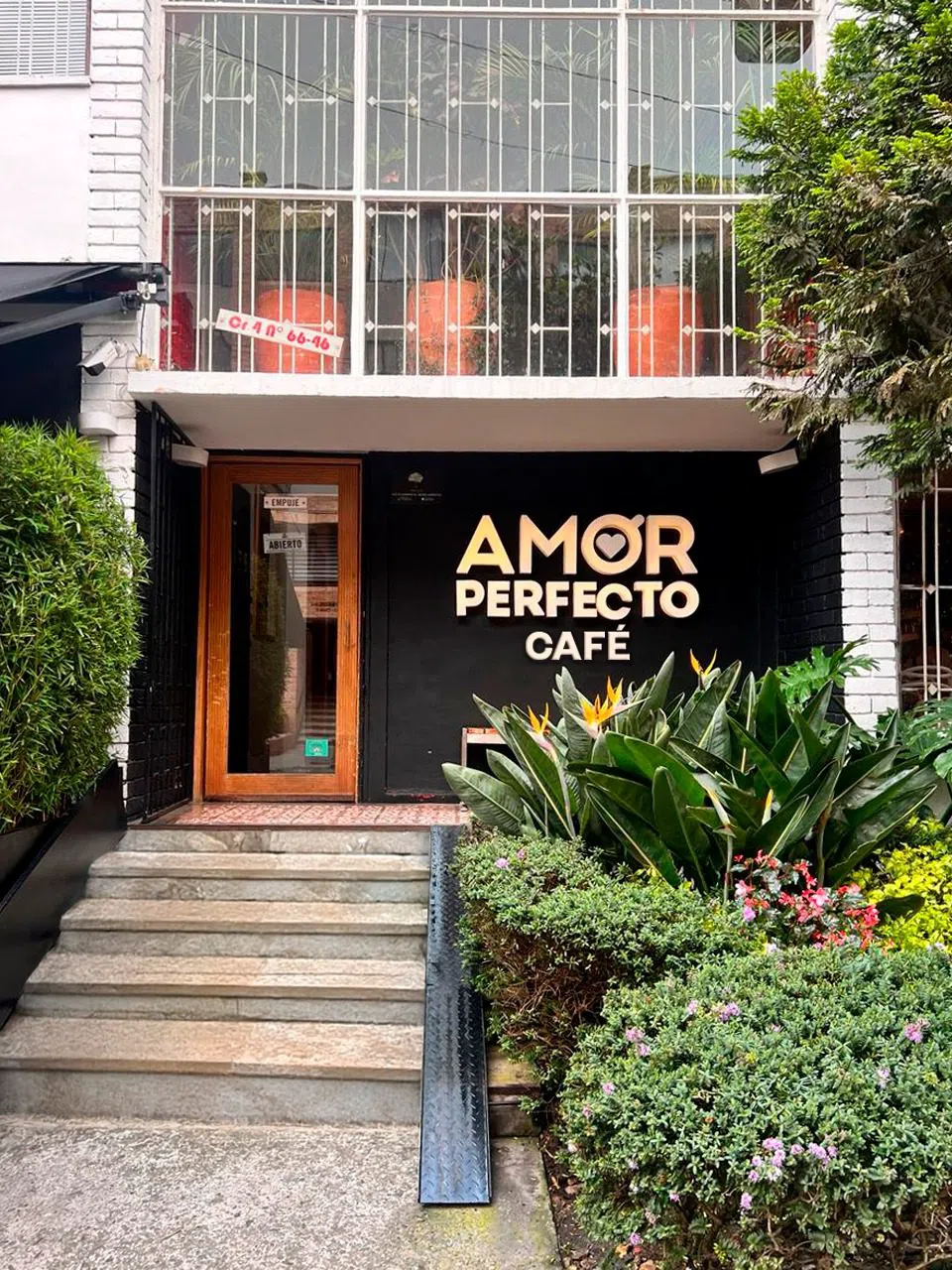
Amor Perfecto [third-wave roaster and flagship café] opened in 1997, before "specialty coffee" was a phrase anyone in Bogotá used, and it's still where I send readers who want to understand this scene isn't a recent trend. The team has won Colombia's national barista championship seven times and trained the country's first World Barista Championship winner, so the credibility here isn't marketing copy — it's a training ground. The room is large and open-plan with garden-facing tables, and on weekends it runs public cuppings and barista courses, which makes it one of the easiest specialty cafés in the city to bring a group to — no door policy to navigate, no reservation drama. $$. Go on a Saturday morning specifically for the cupping if you want more than a cup, and check what's scheduled before you go.
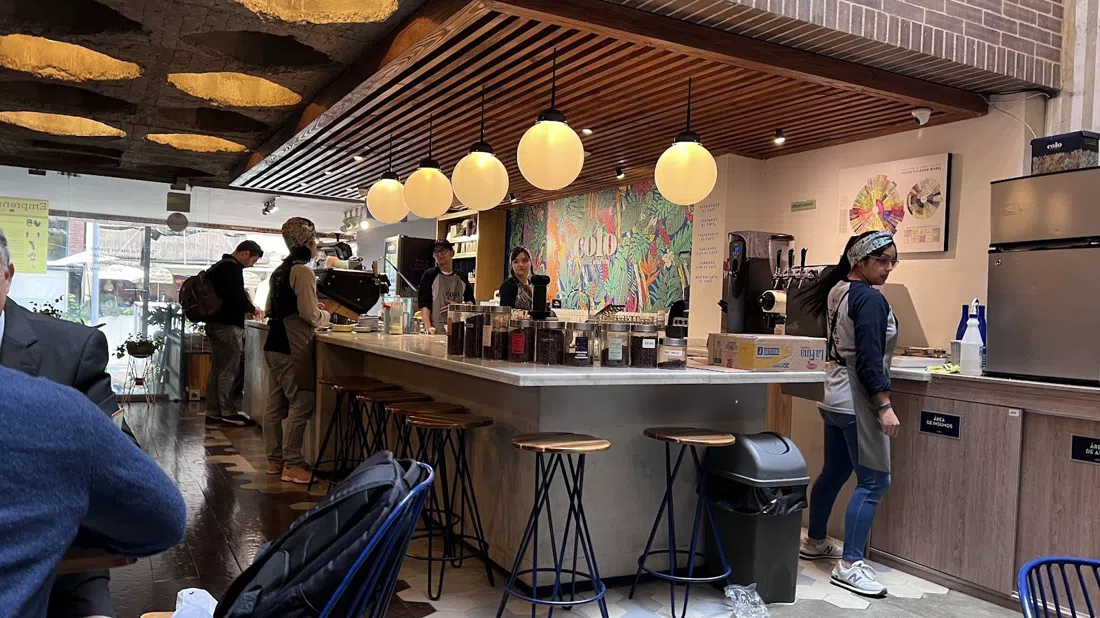
Colo Coffee [roastery café] is part restaurant, part bar, part working roastery, and it reads that way the moment you sit — there's food, a cocktail list for later in the day, and a roaster doing its job in view of the tables. The Financial Times named it one of the world's best independent coffee shops in 2021, praise that could have gone to its head; it hasn't. Order the Castillo Black Honey pour-over — Castillo is a rust-resistant varietal bred for Colombian growing conditions, and black honey processing leaves more of the fruit's sugars on the bean, so it drinks rounder and sweeter than a washed cup, less bright acid, more body. Ample daylight seating makes it comfortable for groups lingering over food and multiple rounds of coffee, which is really the point of the place — it wants you to stay. $$.
Zona G's Café Culture, Compressed
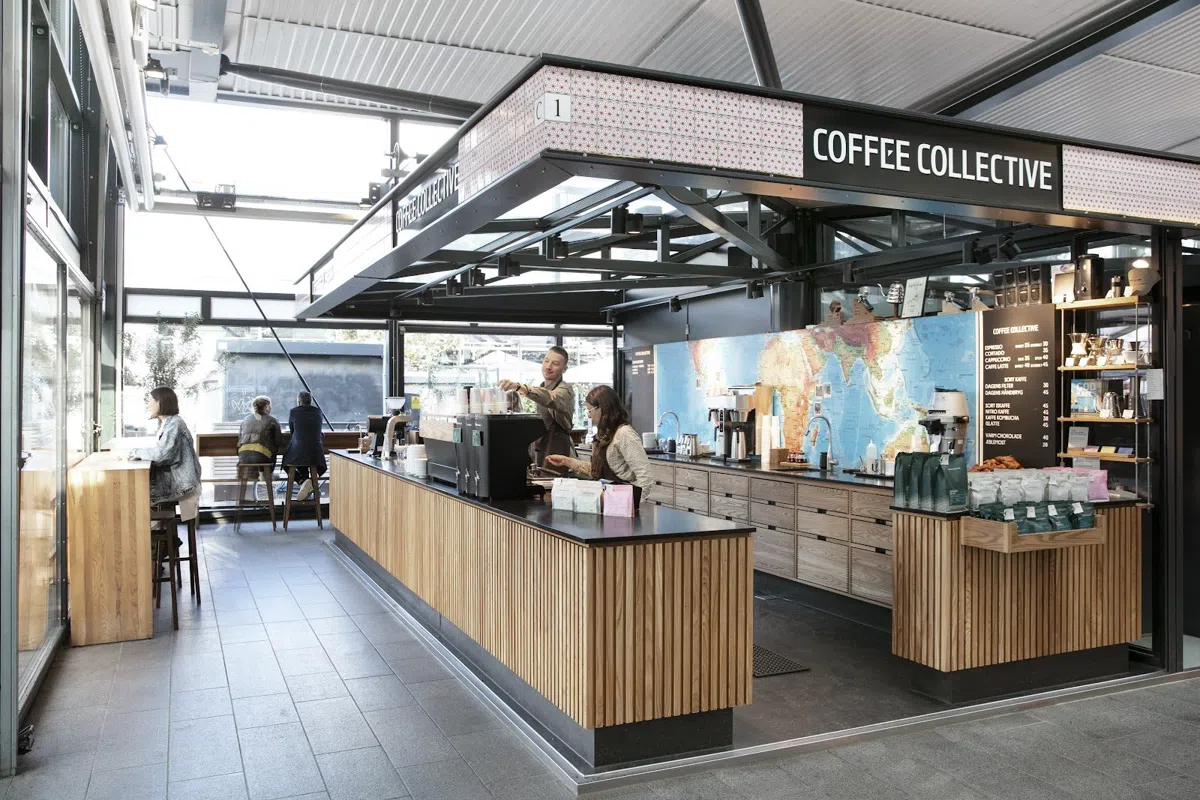
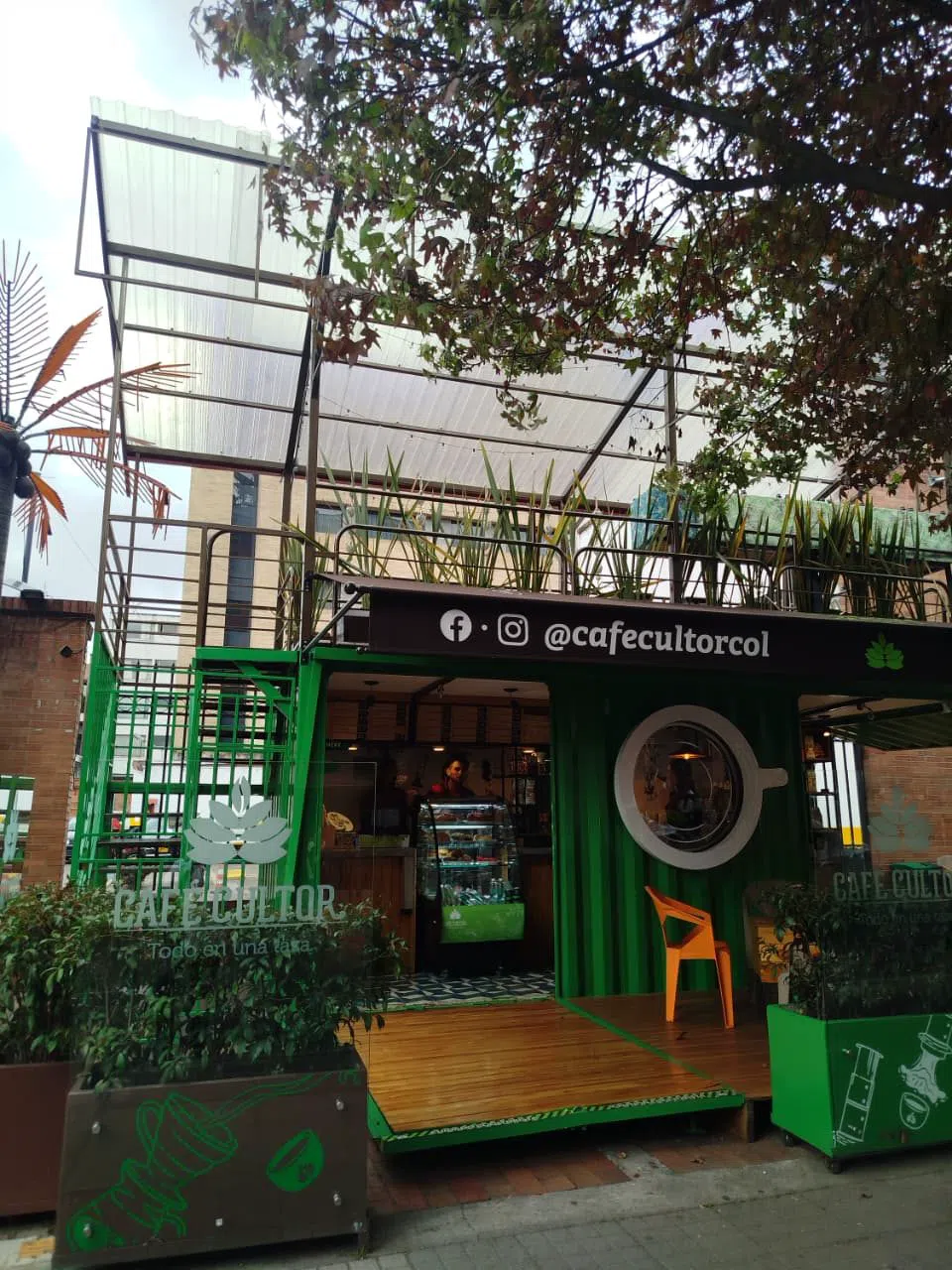
Café Cultor (Contenedor, Zona G) [container roastery café] started life as an export company before its founders decided the best Colombian coffee should stay in Colombia, and the café is the result — a shipping-container-format space that's the most visually distinctive small stop on this list. It suits pairs and small groups far better than a party; the format is compact by design. A roof terrace gives overflow seating if the container itself is full, and at $ it's one of the more accessible prices on this list for the quality in the cup. Go for the format as much as the coffee — it's a genuinely different way to experience a roastery than the bigger open rooms elsewhere in the city.
Libertario Coffee Roasters [specialty café chain] solves a problem the rest of this list doesn't: convenience. It has branches across Zona G, Parque 93 and Usaquén, plus a flagship on 122nd, so a group staying anywhere in the northern grid is rarely more than a short taxi from one. The flagship hosts recurring public events with visiting international baristas — worth checking the calendar if you're timing a visit around something more than a cup. What gives the coffee itself real pedigree is a direct pipeline to one of Colombia's most decorated micro-lot exporters; this isn't a chain trading on convenience alone. $$.
The North Side's Design-Led Cafés
Tropicalia Coffee [design-forward specialty café] won an SCA Design Award in 2022 and was ranked among the world's top 10 coffee shops in 2026 — it's unapologetically the picture-perfect stop on this list, the one that photographs the way a magazine spread does. The all-day brunch menu and communal-style seating make it workable for small groups, though peak brunch hours get genuinely busy and you should expect to wait or share a table. $$. Go early on a weekday if you want the room rather than the queue for it.

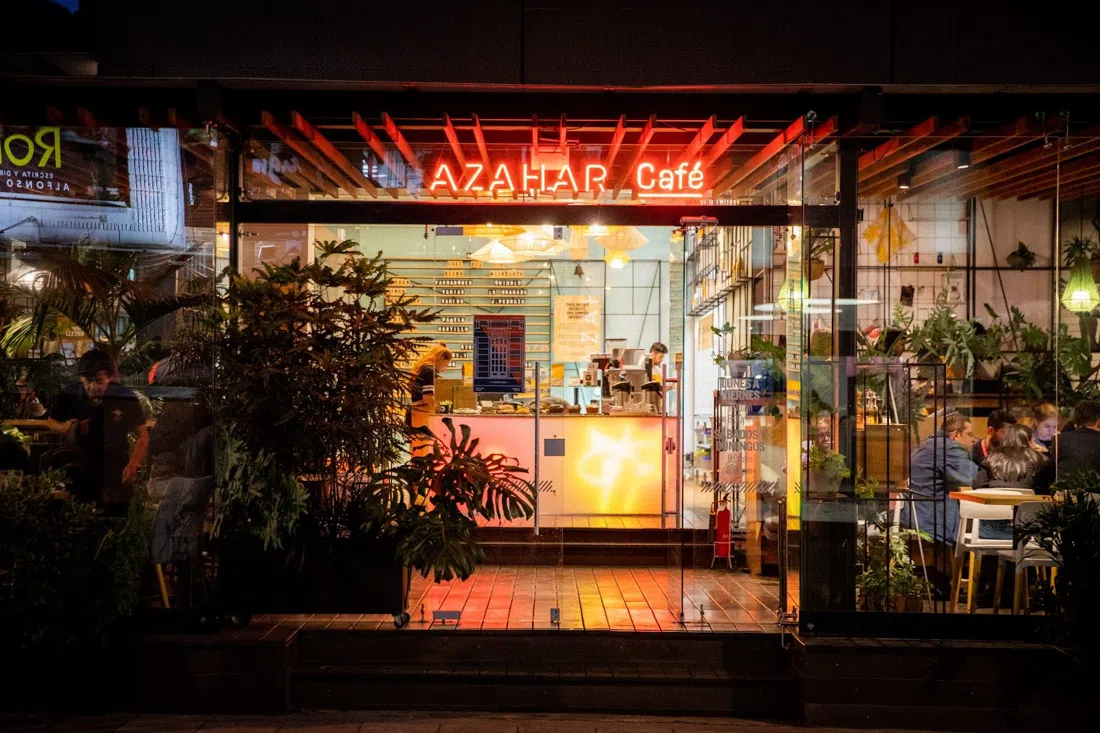
Azahar Coffee [specialty café and kitchen] at Parque 93 pairs an all-day food menu with terrace seating, and it's dog-friendly, which matters if you're travelling with one or just want a patio with dogs at the next table. What separates it from a merely pleasant brunch spot is the brand's direct-trade pricing transparency with the farmers it buys from — a good pick for readers who care as much about where the money goes as how the cup tastes. Solid for a group brunch stop. $$.
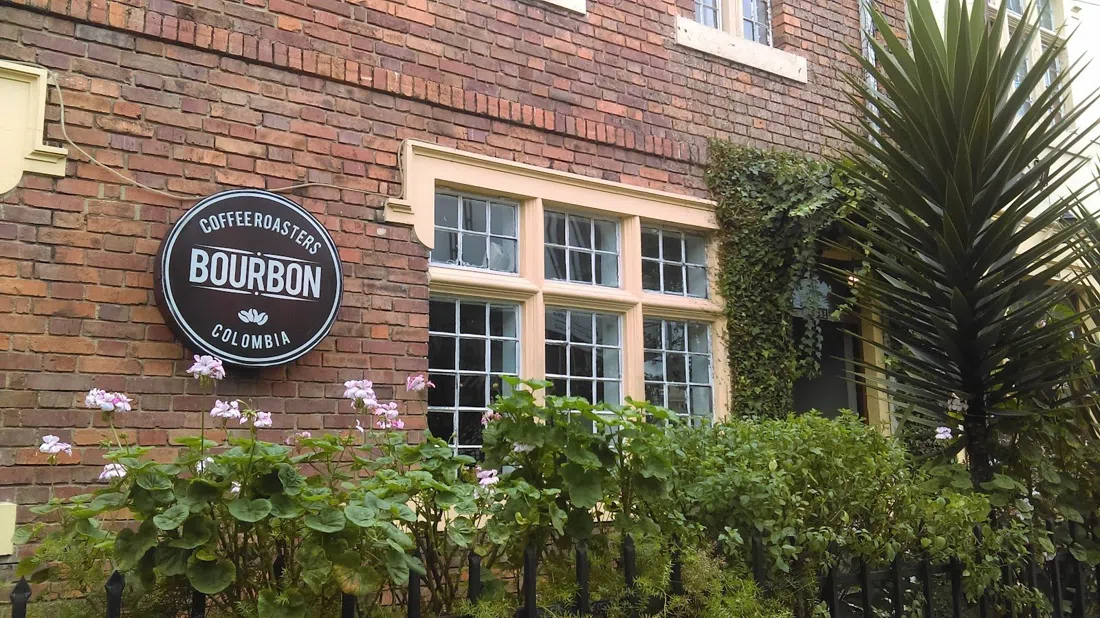
Bourbon Coffee Roasters [neighborhood roastery café] is the quieter counterpoint to the bigger names here — a more residential feel, indoor tables plus a garden-wall patio that gives a small group more breathing room than the container-format cafés manage. It won't turn up on a must-see list handed to you at the airport, and that's rather the point: it's for a reader who wants a café that still feels like something they found rather than something curated for them. $$.
Ceremony and Single-Origin Ritual
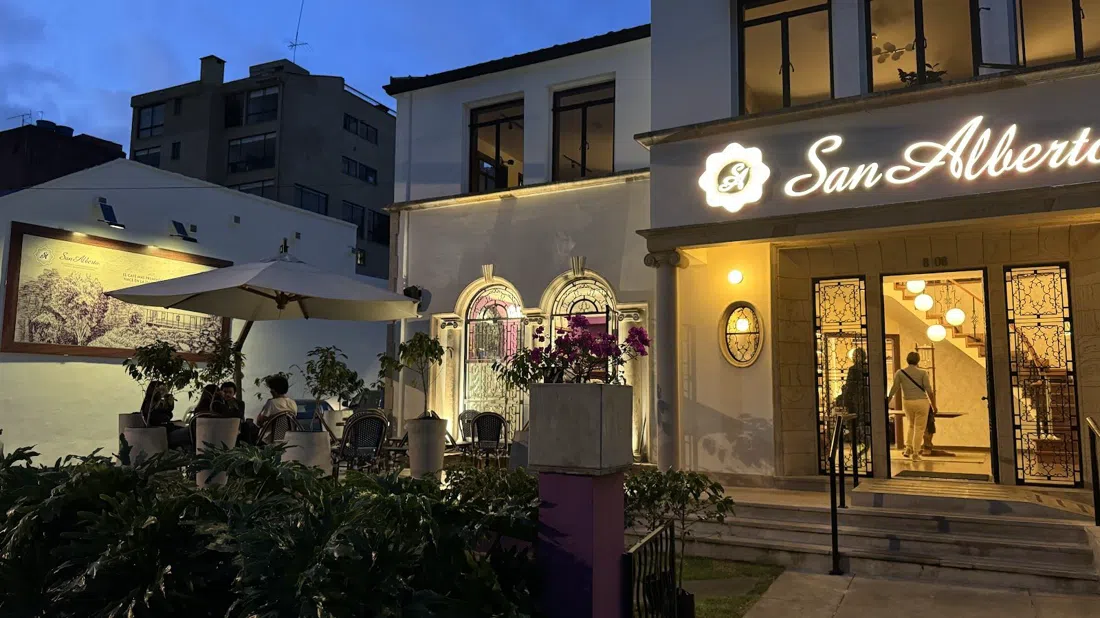
Café San Alberto [single-estate tasting café] on Calle 81 pours coffee from Buenavista, in Quindío — Colombia's most-awarded single estate — and the café is built around sit-down table service that scales well for a small group wanting a guided, unhurried tasting rather than a coffee to go. One honest note: the branded on-site "tasting experience" tours have been suspended, so don't book expecting the formal ceremony some older write-ups describe — the café itself is operating normally and the coffee is unchanged, just without that add-on program. At $$$ it's the most expensive stop on this list, and the most ceremonial, Michelin-adjacent cup you'll drink in the city.
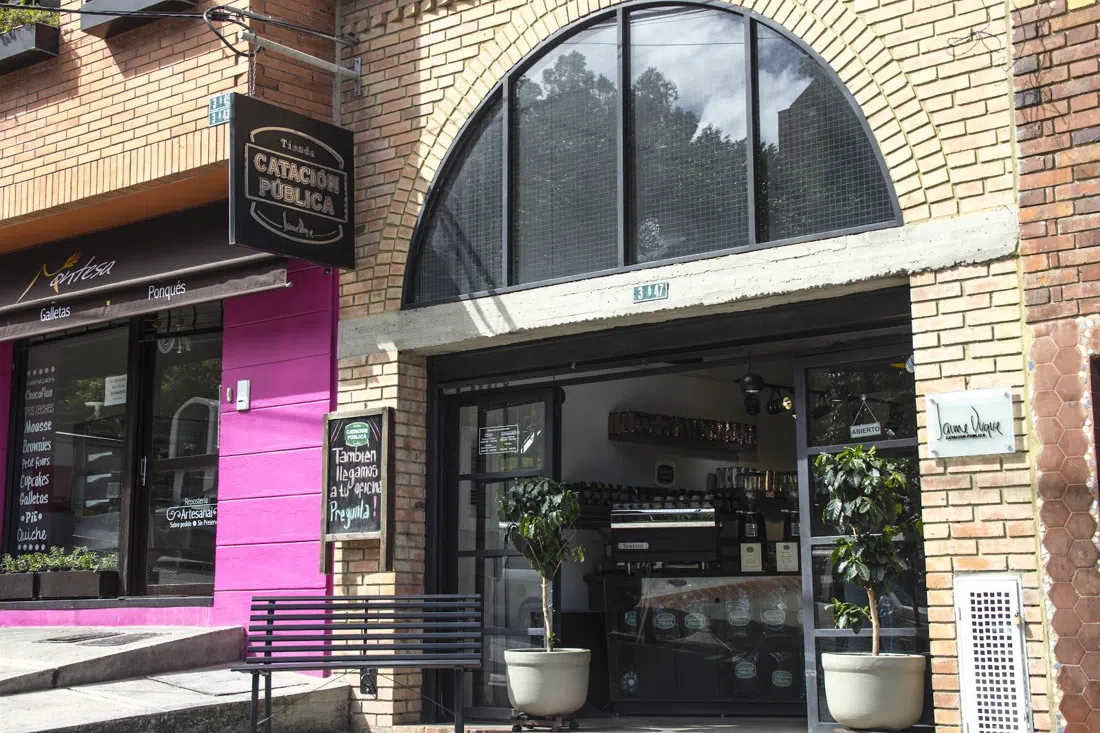
Catación Pública [cupping lab and coffee school café] exists to turn cupping — the formal, slurping, spitting method professionals use to score coffee — into something the public can do, not something reserved for trade buyers. Staff speak English, and the guided-tasting format makes it a strong pick for a small tour group that wants an educational session rather than just a drink. It's the most didactic, seed-to-cup stop on the list, good for a curious traveller who wants to leave understanding what "specialty" actually means in the cup, not just on the sign. $$.
La Candelaria: Serious Coffee Inside the Tourist Circuit
Most of this scene lives in the northern grid, which is worth saying plainly — if your itinerary keeps you in the historic center, these two are the reason you don't have to choose between sightseeing and a real cup.
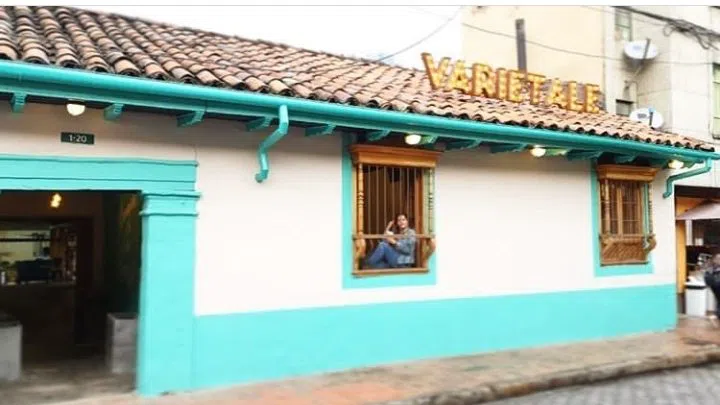
Varietale [specialty café] has an outpost inside La Candelaria that's the rare serious specialty stop in the touristic historic center, built for the traveller doing both things at once: wifi, laptop outlets and patio tables make it workable for combining coffee with remote work between sightseeing stops. $$. It proves the café-society story here isn't confined to the northern grid — you just have to know where to look.
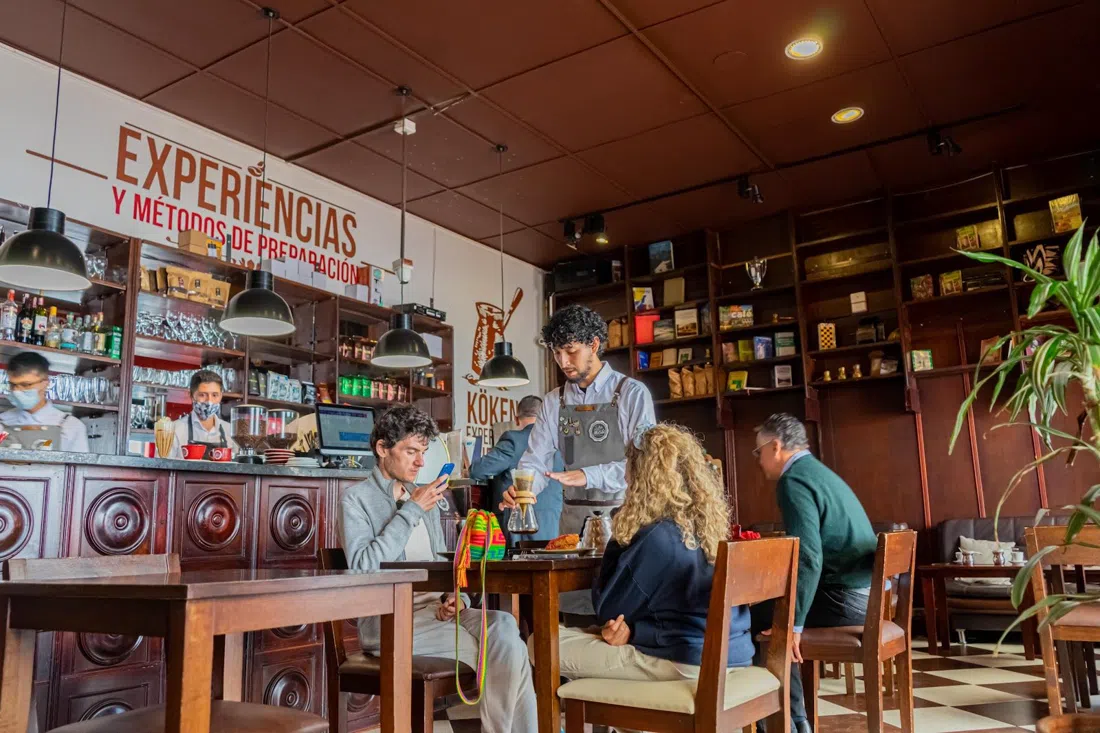
Arte y Pasión Café — Escuela de Baristas [barista school café], also in the historic center, runs structured tasting and brewing sessions suited to group bookings and short workshops rather than a quick walk-in coffee. It's the hands-on counterpoint to the design-led north-side cafés on this list — good for a reader who wants to actually taste the difference between an Aeropress and a V60, not just admire a nicely lit room. At $ it's also one of the cheaper serious coffee educations you'll get anywhere in the city.
For the Purist Drinking Alone
OPEN [micro-lot specialty café] in Chapinero is a small, focused space, best suited to a pair or a small group rather than a large party — there's no room to spread out, and that's by design. It leans harder into single-farm traceability than anything else on this list; if you want the deepest origin story in the cup, ask what's on the current single-farm menu and let the barista walk you through it. $$.
Getting Around, Timing It, and What to Budget
Most of these cafés cluster north of the center — Chapinero, Zona G, Parque 93, Usaquén — with La Candelaria as the historic-center exception via Varietale and Arte y Pasión. Ride-hailing apps are the simplest way to string several cafés together in one afternoon; the TransMilenio bus system covers the same corridor but isn't built for hopping between stops with coffee bags in hand. Carry cash in small peso denominations for the smaller container-format and independent spots — card readers are common at the bigger names like Amor Perfecto, Tropicalia and Colo Coffee, but not guaranteed everywhere else. Go mid-morning on a weekday if you want a table without waiting anywhere on this list; weekend mornings, especially around Tropicalia's brunch service and Amor Perfecto's cupping sessions, get busy fast. Budget roughly $15,000–$25,000 COP for a coffee and a pastry at most stops, and closer to $30,000–$45,000 COP for a sit-down tasting at San Alberto. Bogotá sits at 2,640 meters, and the altitude affects some visitors more than the coffee does — pace yourself if you're stacking three or four cafés into one day.
If you're building a longer stay around this, the wider Bogota guide covers where to eat and what else to see, and if you haven't picked where to sleep yet, Bogota hotel search lets you filter by the neighborhoods this list keeps returning to.