
Colombia — The Insider’s Guide
Bogota
Bogota sits on a high-altitude Andean plateau, wrapped in a cool mountain mist that defies the typical tropical expectations of its latitude. It is a sprawling metropolis of red brick and concrete, where the sharp mountain air cuts through the aroma of roasting coffee and street-side empanadas. The city does not offer easy, postcard-ready charm; instead, it demands engagement, rewarding those who navigate its dramatic contrasts with a world-class culinary scene, striking street art, and a deep-seated intellectual energy.
The Bogota guide
An insider’s read on Bogota
BBogota sits on a high-altitude Andean plateau, wrapped in a cool mountain mist that defies the typical tropical expectations of its latitude.
Founded on the high plains of the Muisca civilization, Bogota has long been Colombia's political and intellectual anchor. Its identity is shaped by its dramatic geography, with the eastern hills serving as a constant directional compass. The architecture tells a story of rapid transition, from the Spanish colonial houses of La Candelaria to the mid-century modernism of Teusaquillo and the contemporary glass towers of Chicó. The local character, known as 'Rollo', is polite, reserved, and deeply proud of the city's literary, artistic, and culinary evolution.

PLATE IBogota, Colombia

Where to base yourself
The neighborhoods
01
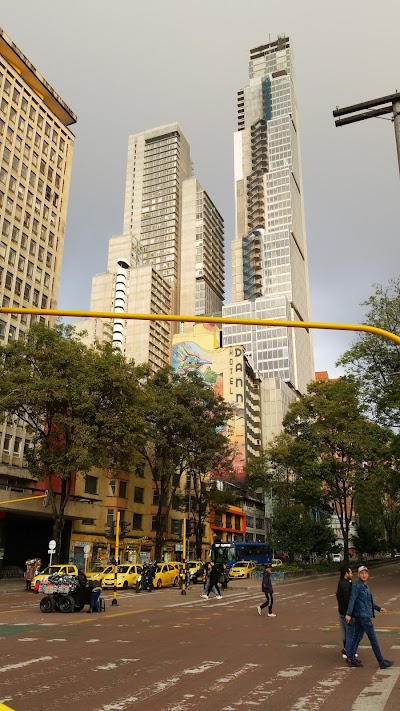
La Candelaria
For History enthusiasts and budget travelers who want to be steps away from major museums, though it gets quiet and requires caution after dark.
The historic heart of the city, filled with Spanish colonial architecture, steep cobblestone streets, and vibrant political graffiti.
Where to stay — Historic boutique hotels housed in restored colonial mansions or social backpacker hostels.
02
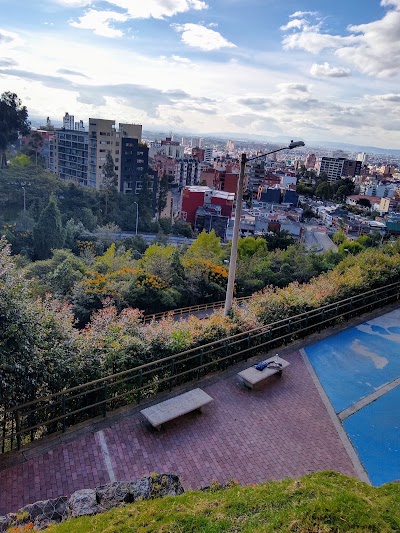
Chapinero Alto
For Food travelers and those seeking a local, creative vibe, though the hilly terrain requires some uphill walking.
A progressive, bohemian enclave climbing up the eastern hills, known for its creative restaurants, independent design shops, and steep streets.
Where to stay — Design-forward boutique hotels and stylish apartment rentals.
03
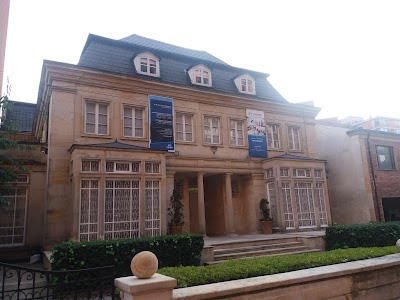
Zona G
For Culinary travelers and business visitors seeking a quiet, secure, and upscale base.
The city's premier gourmet district, characterized by quiet, tree-lined streets, brick architecture, and high-end dining institutions.
Where to stay — Luxury international brands and refined, small-scale boutique properties.
04
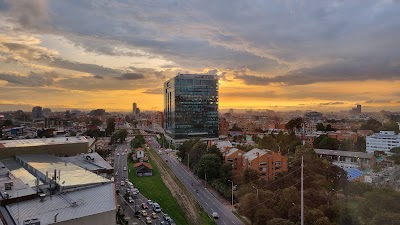
Usaquén
For Families and travelers looking for a quieter, village-like atmosphere, though it is far from the historic sights of the south.
A former colonial village absorbed by the northern expansion of the city, retaining its cobblestone plaza, old church, and relaxed pace.
Where to stay — Modern business hotels and charming mid-range options near the main square.
05
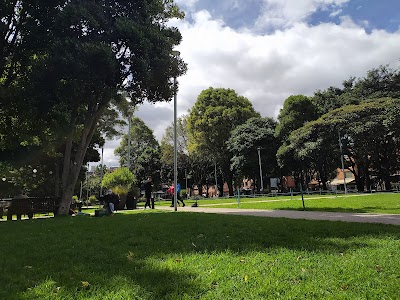
Chicó & Parque 93
For First-time visitors prioritizing safety, modern amenities, and proximity to high-end shopping and dining.
A sleek, modern corporate and residential district centered around a lively, green public park.
Where to stay — Sleek, contemporary hotels catering to business travelers and upscale tourists.
06
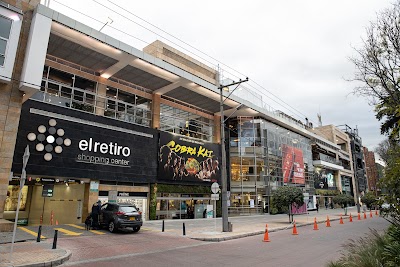
Zona T / El Retiro
For Travelers who want to be in the center of the nightlife scene, though it can be noisy and highly commercial.
The high-energy nightlife and shopping epicenter of the city, defined by pedestrianized streets, designer boutiques, and packed bars.
Where to stay — Trendy lifestyle hotels and upscale international chains.
Book direct
Book a hotel in Bogota
Loading live availability and real-time prices…
Where to eat
Dining
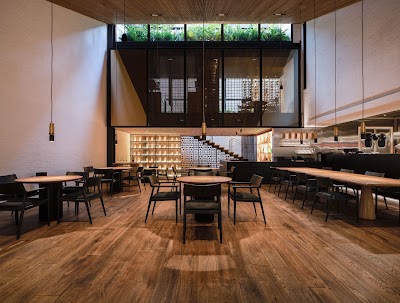
Leo
€€€€Chapinero
Chef Leonor Espinosa uses culinary research to showcase ingredients from Colombia's remote forests, deserts, and oceans.
Signature — The multi-course tasting menu paired with local fermented beverages.
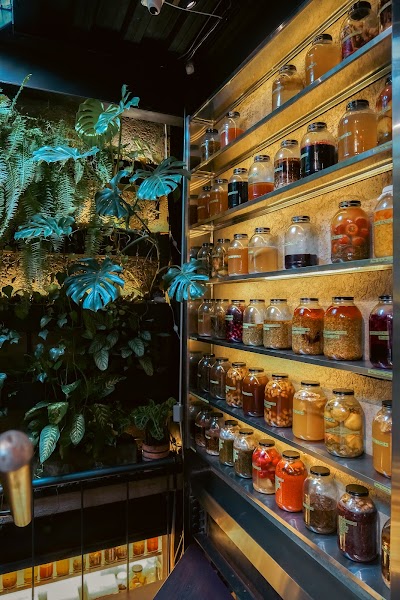
El Chato
€€€€Chapinero Alto
Chef Álvaro Clavijo crafts contemporary Colombian bistro dishes using overlooked local ingredients in a sleek, industrial space.
Signature — Chicken hearts with potato and avocado.
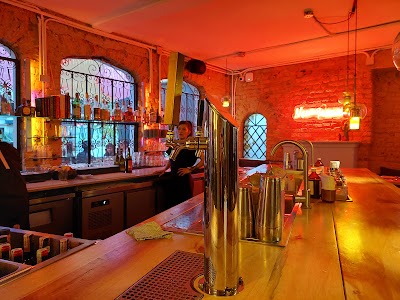
Mesa Franca
€€€Chapinero
A relaxed, creative bistro serving inventive dishes that highlight small-scale local farmers and producers.
Signature — Slow-cooked pork belly with local tubers and native reduction.
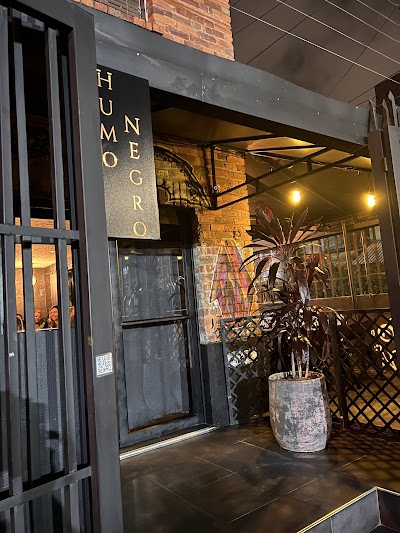
Humo Negro
€€€Chapinero
An izakaya-inspired concept that blends Japanese techniques with wild, native Colombian ingredients.
Signature — Grilled trout with Amazonian pirarucú and local spices.
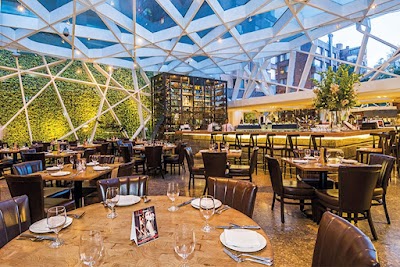
Harry Sasson
€€€€Zona G
Housed in a stunning, mock-Tudor mansion, this is the city's long-standing power-dining institution.
Signature — Wood-fired hearts of palm with avocado oil.
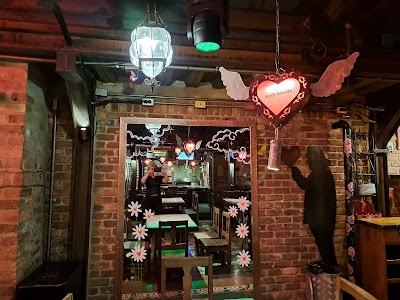
Andrés Carne de Res
€€€Chía (Outskirts)
A legendary, theatrical dining destination that combines a massive steakhouse with a surreal, multi-room party atmosphere.
Signature — Lomo al Trapo (beef tenderloin wrapped in salted cloth and cooked directly on hot coals).
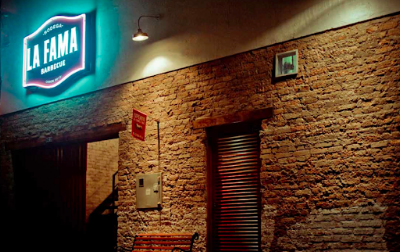
La Fama Barbecue
€€Quinta Camacho
A rustic-chic smokehouse blending Southern American barbecue techniques with Colombian cuts of meat.
Signature — Smoked brisket served with local corn bread.
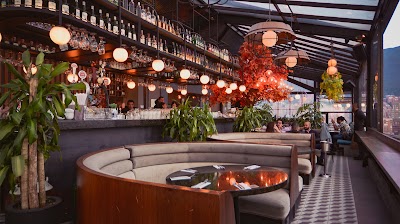
Club Colombia
€€€Chicó
An elegant restaurant set in a historic house, serving refined versions of traditional Colombian grilled meats.
Signature — Over-the-coals grilled skirt steak with chimichurri.
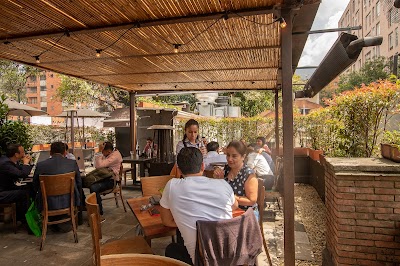
La Bifería
€€Usaquén
A reliable, straightforward steakhouse focusing on high-quality, locally sourced Colombian beef cuts.
Signature — Bife de Chorizo served with rustic potatoes.
Andrés D.C.
€€€Zona T
The multi-level city-center outpost of the famous Chía location, offering the same eccentric decor and excellent meats without the long drive.
Signature — Baby beef served on a sizzling iron plate.
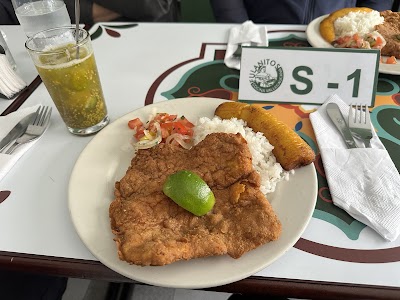
Fulanitos
€La Candelaria
A traditional spot specializing in the hearty, meat-heavy cuisine of the Valle del Cauca region.
Signature — Lulada drink paired with Chuleta Valluna (breaded pork cutlet).
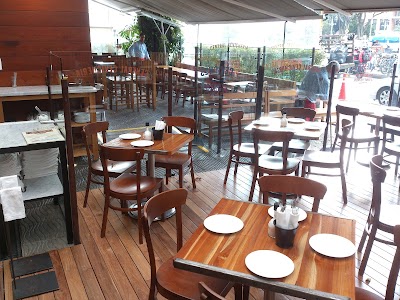
Central Cevichería
€€Zona T
A lively, modern spot serving exceptionally fresh coastal ceviches and grilled fish in an upbeat environment.
Signature — Ceviche Callejero with lime, red onion, and fresh cilantro.
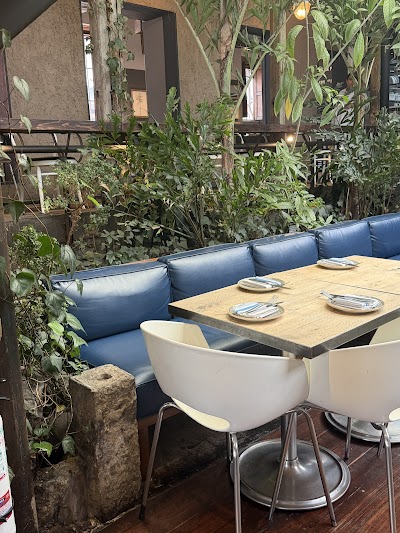
80 Sillas
€€€Usaquén
A sophisticated, light-filled restaurant focusing on clean, simple seafood preparations with high-quality ingredients.
Signature — Peruvian-style sea bass ceviche with sweet potato.

La Fragata Radar
€€€World Trade Center
A classic, upscale seafood institution known for its traditional service and seafood casseroles.
Signature — Cazuela de Mariscos (rich coastal seafood stew cooked in coconut milk).
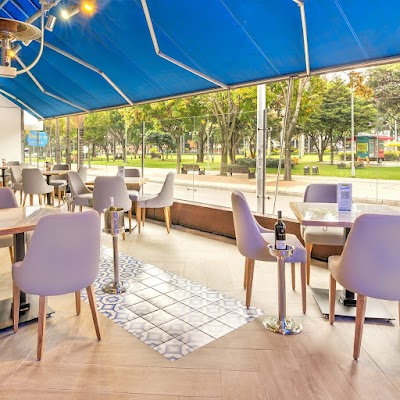
Pescadería Jaramillo
€€€€Parque 93
One of the city's oldest and most respected seafood establishments, offering a formal dining experience.
Signature — Lobster tail prepared with local herbs.

Biota
€€€Chapinero
A modern, ingredient-focused kitchen that highlights sustainable fishing practices from Colombia's Pacific coast.
Signature — Catch of the day served with coconut rice and plantain.
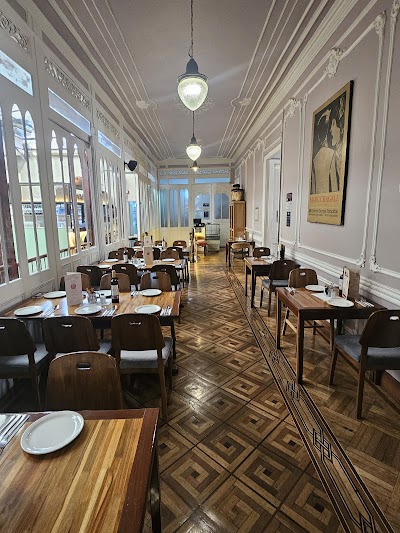
La Puerta de la Catedral
€La Candelaria
Located steps from the main square, this historic restaurant serves the most authentic local soups in a colonial setting.
Signature — Ajiaco Santafereño (thick potato soup with chicken, corn, capers, and cream).
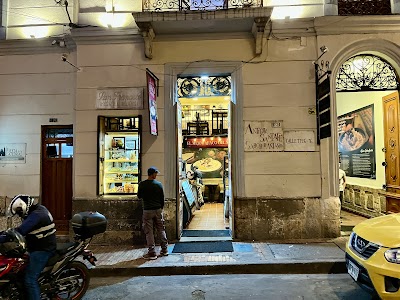
Antigua Santa Fe
€La Candelaria
A historic, no-frills diner famous for serving traditional afternoon snacks to generations of locals.
Signature — Chocolate Completo (hot chocolate served with cheese, bread, and a buttered biscuit).
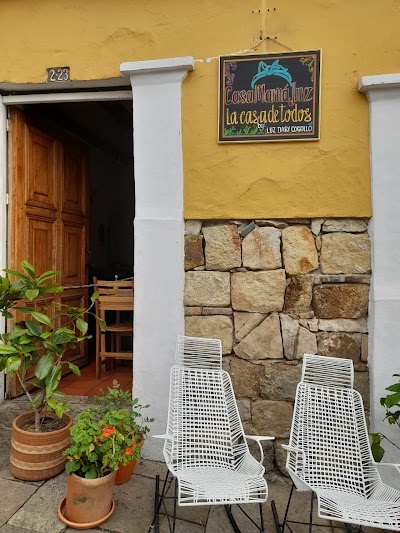
Casa Mamá Luz
€La Candelaria
An award-winning traditional kitchen run by a chef dedicated to preserving regional Colombian recipes.
Signature — Posta Negra Cartagenera (slow-cooked beef in a sweet, spiced dark sauce).
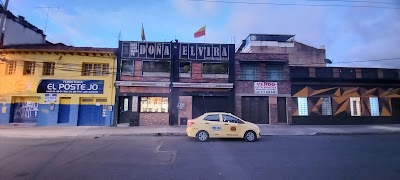
Doña Elvira
€Quinta Paredes
An old-school, family-run lunch institution serving massive portions of traditional interior Colombian dishes since the mid-20th century.
Signature — Sobrebarriga al Horno (baked flank steak served with boiled potatoes and yuca).
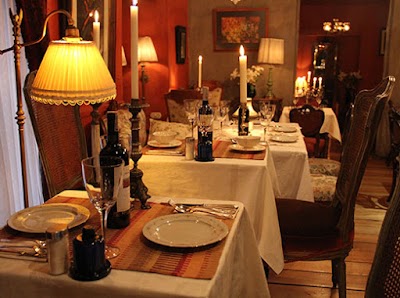
El Son de los Grillos
€€La Candelaria
Set in a historic 17th-century house, this quiet restaurant offers a romantic, candlelit setting for traditional dining.
Signature — Traditional Ajiaco served in a black clay pot.
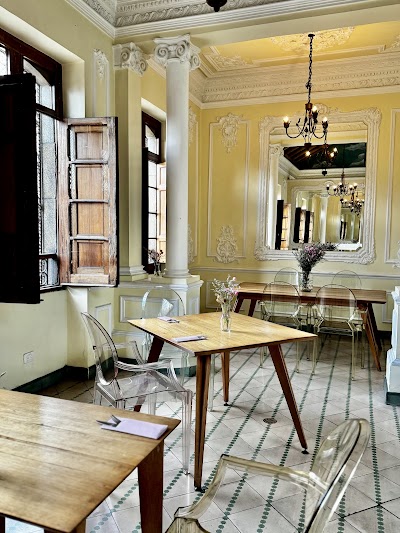
Prudencia
€€€La Candelaria
An architectural marvel of a restaurant serving a rotating, wood-fired menu inspired by global and local rustic traditions.
Signature — House-smoked meats paired with seasonal, fermented vegetables.
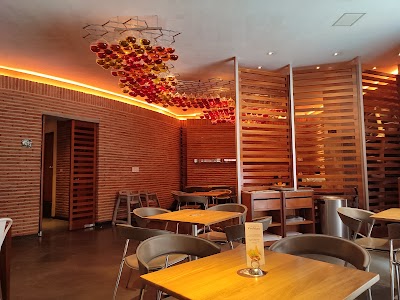
Crepes & Waffles
€Multiple Locations
A beloved Colombian institution known for high-quality food, incredibly low prices, and a social mission of hiring female heads of household.
Signature — Crepe de Ternera (veal crepe) followed by artisanal passionfruit ice cream.
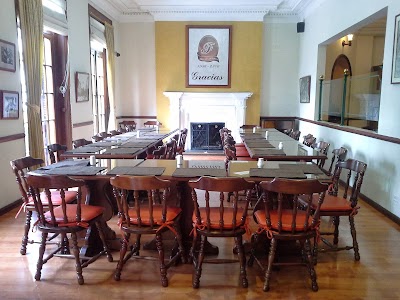
Pastelería Florida
€Centro
Operating since 1936, this bustling multi-level bakery is the ultimate spot to experience traditional Bogota breakfast culture.
Signature — Tamal Tolimense (corn dough filled with chicken, pork, and vegetables, wrapped in a plantain leaf).
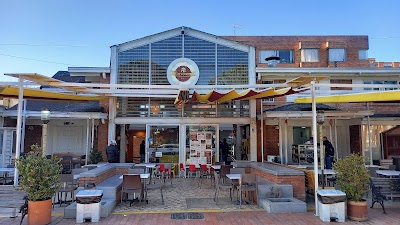
El Kiosco
€Usaquén
A simple, casual spot famous for serving some of the best traditional fried snacks in the city.
Signature — Empanadas de carne served with spicy house ají sauce.
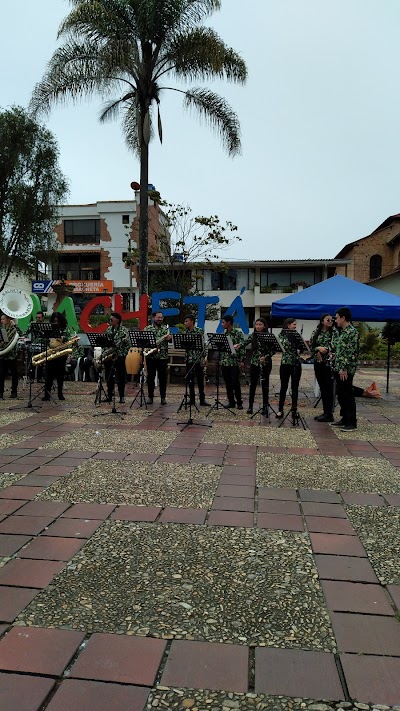
Empanadas El Machetazo
€La Candelaria
A legendary hole-in-the-wall known for its oversized, ultra-crispy corn empanadas.
Signature — Giant potato and beef empanada.
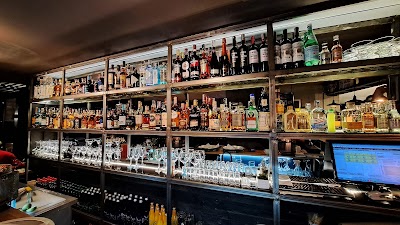
Sandwich Taller
€Chapinero
A hip, casual spot crafting gourmet sandwiches using house-baked bread and cured meats.
Signature — Slow-roasted pork shoulder sandwich with pickled red onions.
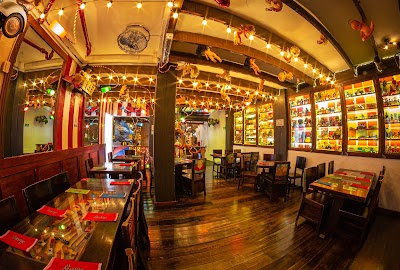
La Juguetería
€€La Macarena
A whimsical, toy-themed restaurant offering hearty portions of grilled meats and local dishes at accessible prices.
Signature — Parrillada mixta (mixed grill platter for sharing).
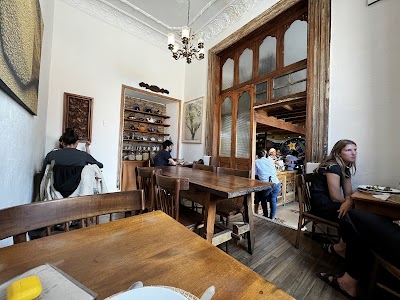
Quinua y Amaranto
€La Candelaria
A cozy, pioneering vegetarian restaurant serving wholesome, organic daily lunch menus in the historic center.
Signature — The daily lunch menu, featuring quinoa soup and local vegetable patties.
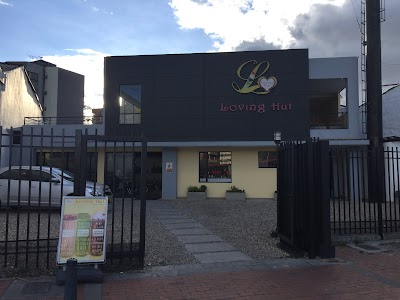
Herbívoro
€Chapinero
A trendy, 100% vegan restaurant recreating Colombian comfort food classics without animal products.
Signature — Vegan 'Chicharrón' made from seasoned oyster mushrooms.
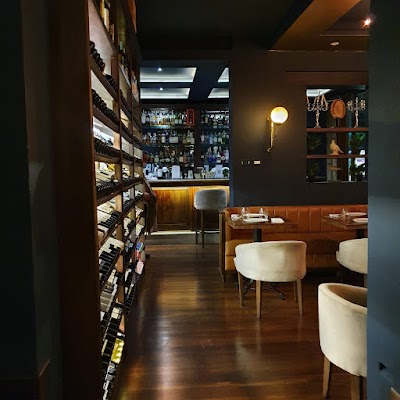
L'Atelier de Sabor
€€Chapinero Alto
An artisanal plant-based kitchen focusing on sourdough breads, fermented foods, and creative vegetable dishes.
Signature — Roasted cauliflower steak with cashew cream and local herbs.

Suna
€€Chicó
An organic market and restaurant offering a wide range of clean, healthy vegetarian and vegan options.
Signature — Quinoa bowl with roasted Andean vegetables and tahini dressing.
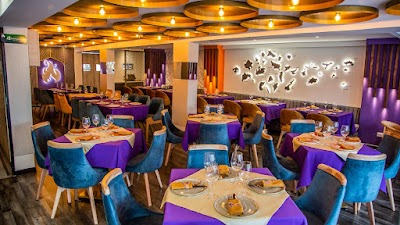
Native Food
€Chapinero
A casual, modern fast-casual spot serving plant-based burgers, bowls, and wraps packed with local superfoods.
Signature — The lentil and hemp seed burger with sweet potato fries.
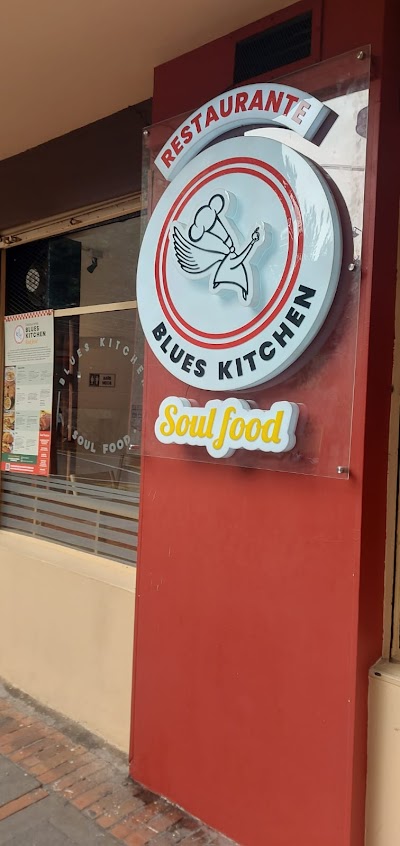
Bouillon
€€La Macarena
A charming vegetarian bistro serving creative, French-inspired plant-based dishes in an artistic neighborhood.
Signature — Mushroom bourguignon served with root vegetable mash.
After dark
Nightlife
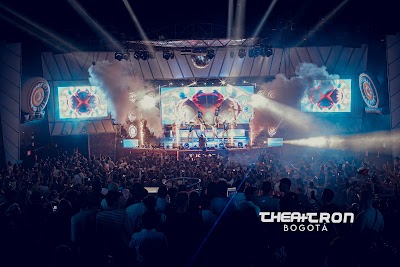
Theatron
Chapinero
One of the largest LGBTQ+ clubs in Latin America, featuring over a dozen distinct rooms, each playing a different genre of music.
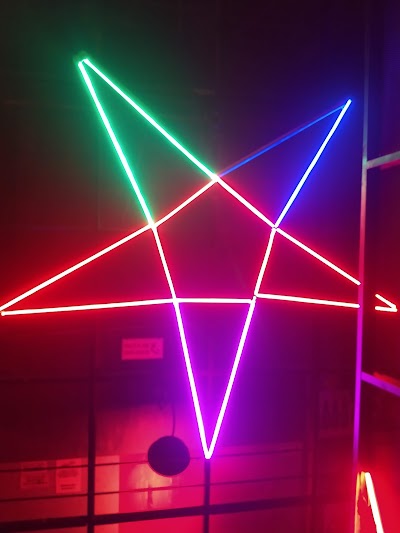
Video Club
Chapinero
A temple of electronic music featuring a world-class sound system, a dark main room, and a lighter, house-focused rooftop terrace.

Baum
Chapinero
The city's premier techno institution, hosting top-tier international DJs in a dark, intense club setting.
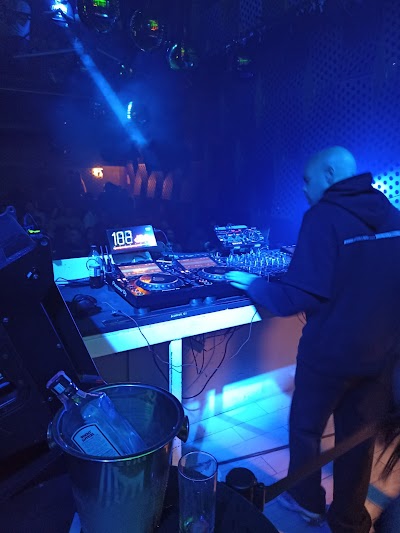
Octava
Chapinero
An architectural marvel of a club with a multi-story layout and a distinctive green wall behind the DJ booth.
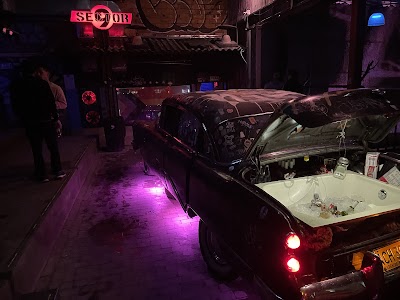
Kaputt
San Felipe
An eccentric, multi-room club set in an industrial warehouse, known for its creative programming and indie-dance vibe.
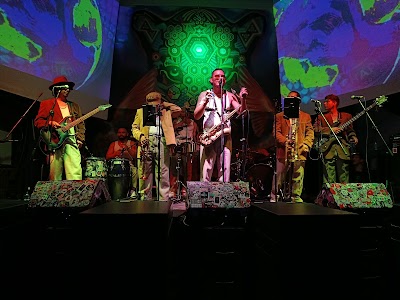
Latino Power
Chapinero
A cultural center turned nightclub that champions Afro-Colombian rhythms, cumbia, and tropical bass.
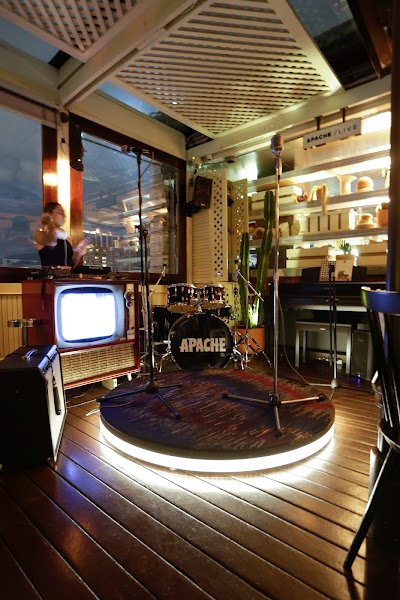
Apache
Chicó
Located on the top floor of the Click Clack Hotel, offering 360-degree views of the city and the eastern mountains.
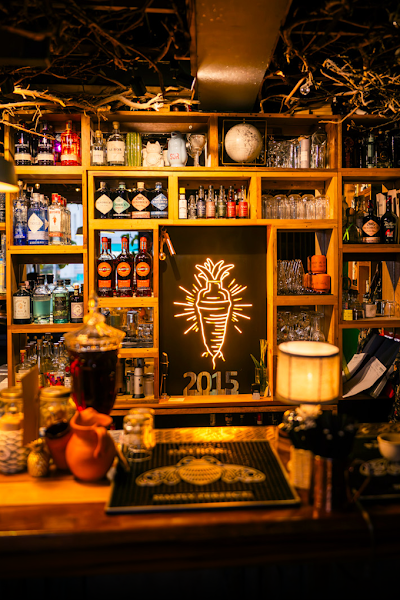
Huerta Coctelería Artesanal
Quinta Camacho
A bar dedicated to sustainable mixology, using herbs and fruits grown directly in their own urban garden.
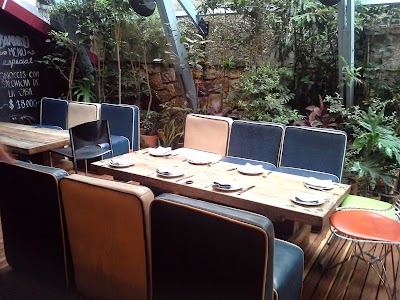
El Bandido Bistro
Quinta Camacho
A speakeasy-style French bistro with a hidden bar area that serves exceptional classic cocktails.
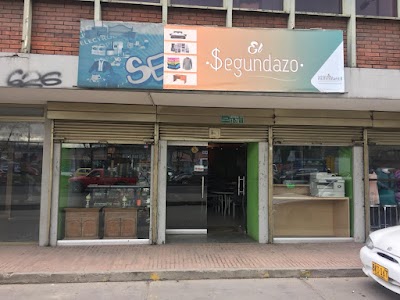
Second
Zona T
A modern cocktail lounge focusing on innovative mixology and high-end spirits in a stylish interior.
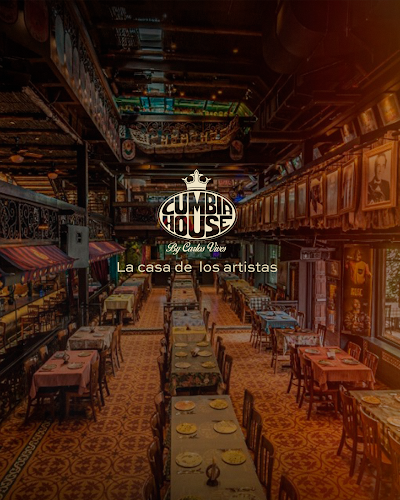
Gaira Café
Chicó
Owned by Colombian music legend Carlos Vives, this venue is a temple to the country's diverse musical heritage.
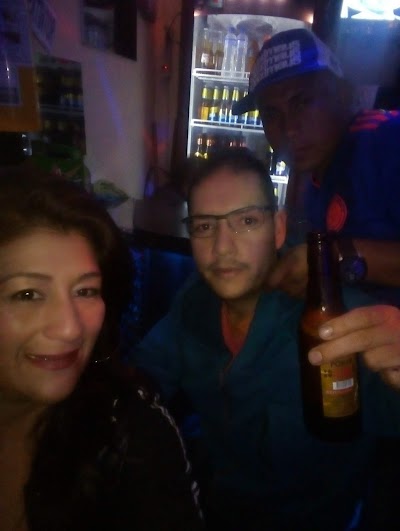
Armando Records
Zona T
A multi-level venue featuring a legendary rooftop that hosts live indie bands before transitioning into a dance floor.
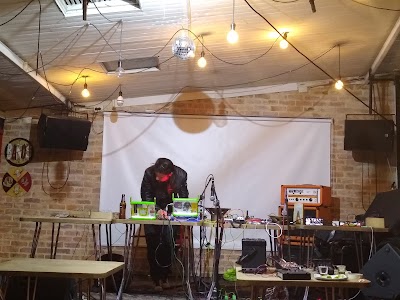
Matik-Matik
Quinta Camacho
An intimate, independent cultural space that hosts experimental jazz, indie rock, and avant-garde local acts.
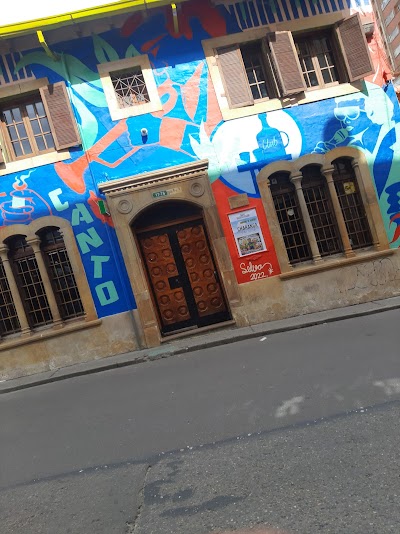
Casa Quiebra Canto
La Candelaria
A historic salsa bar that has been a sanctuary for vinyl lovers and salsa dancers for decades.
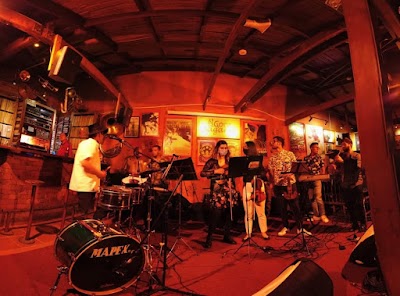
El Goce Pagano
La Candelaria
A legendary, rustic venue near the foot of Monserrate known for its dedication to classic salsa and Afro-Caribbean beats.
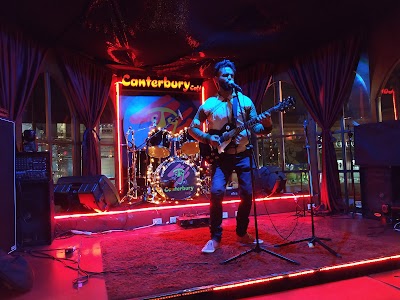
Canterbury Cafe
Kennedy
A classic rock bar in the south of the city, famous for hosting local rock cover bands and tribute nights.
Art & history
Culture
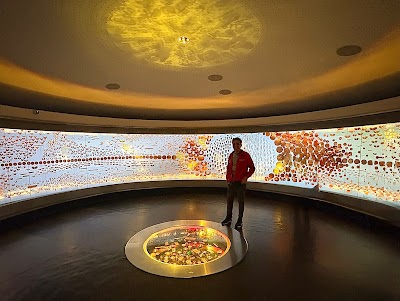
Museo del Oro (Gold Museum)
Centro
Houses the world's largest collection of pre-Hispanic gold artifacts, showcasing the incredible metallurgy of indigenous cultures.
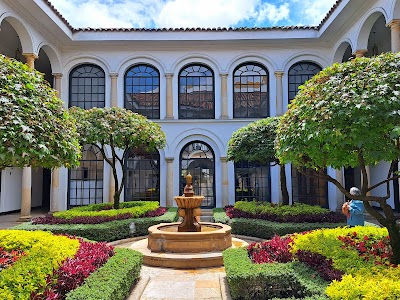
Museo Botero
La Candelaria
Features a massive collection of works by Colombia's most famous artist, Fernando Botero, alongside his private collection of Picasso, Monet, and Dali.
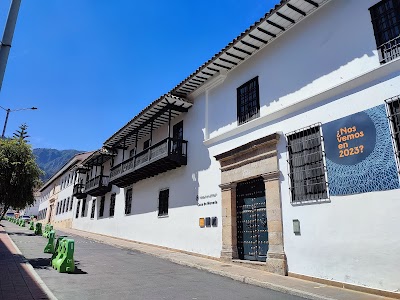
Casa de Moneda
La Candelaria
Located in the historic colonial mint, this museum details the economic and artistic history of Colombian currency.
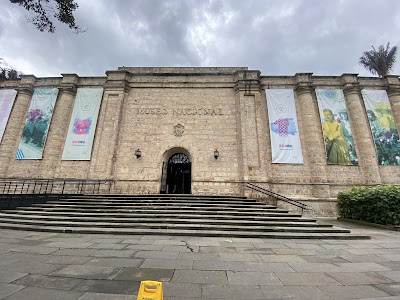
Museo Nacional de Colombia
Centro International
Housed in a formidable 19th-century former penitentiary, it traces the country's history from pre-Columbian times to the modern era.
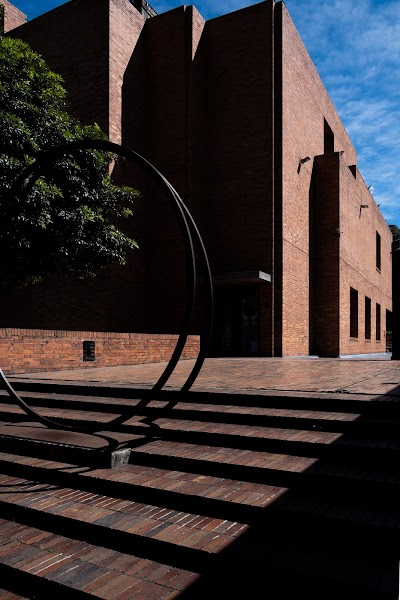
Museo de Arte Moderno de Bogotá (MAMBO)
Centro
Designed by legendary architect Rogelio Salmona, this museum showcases provocative modern and contemporary art from Colombia and abroad.
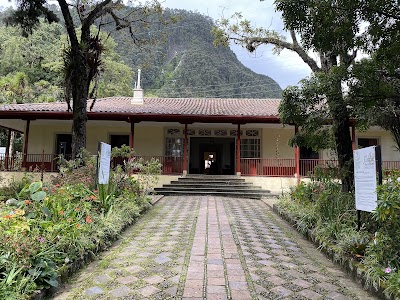
Quinta de Bolívar
La Candelaria
The historic colonial villa that served as the residence of liberator Simón Bolívar after the war of independence.
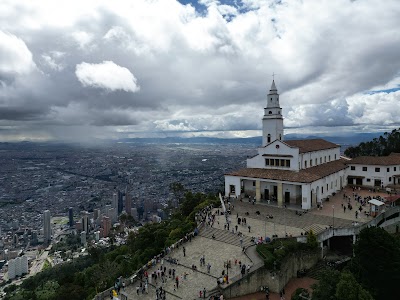
Monserrate Sanctuary
Eastern Hills
A white church perched on a mountain peak 3,152 meters above sea level, offering panoramic views of the entire city basin.
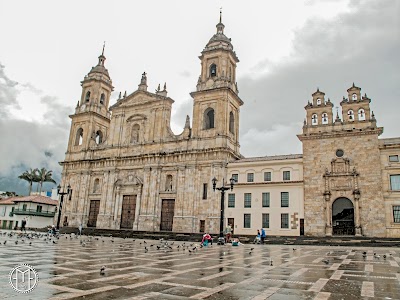
Catedral Primada de Colombia
La Candelaria
The neoclassical cathedral dominating the eastern side of Plaza de Bolívar, standing on the site where the city's first mass was held.
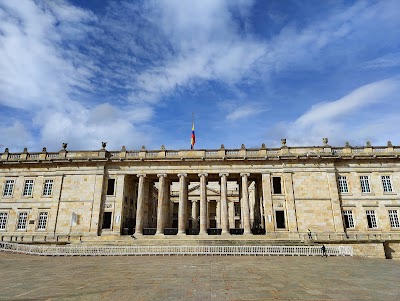
Capitolio Nacional
La Candelaria
A grand neoclassical stone building that houses the Congress of Colombia, taking nearly 80 years to construct.
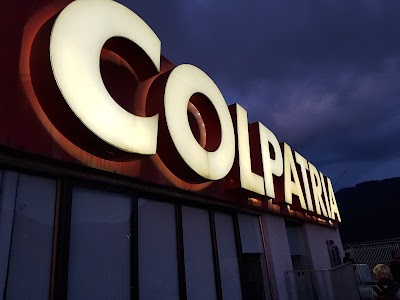
Torre Colpatria
Centro
One of the city's tallest skyscrapers, featuring an open-air observation deck on the 48th floor.
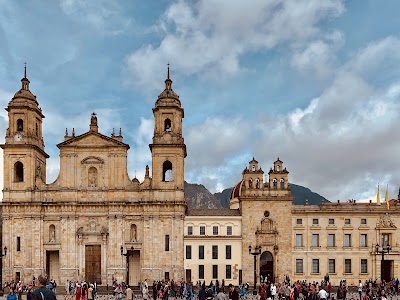
Plaza de Bolívar
La Candelaria
The monumental central square of the city, framed by the cathedral, the justice palace, the capitol, and the mayor's office.
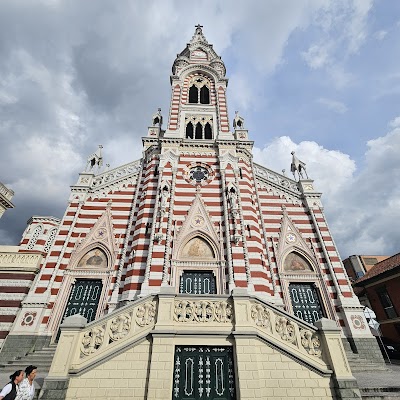
Santuario de Nuestra Señora del Carmen
La Candelaria
A striking Gothic revival church painted in bold red and white horizontal stripes, resembling a giant candy cane.
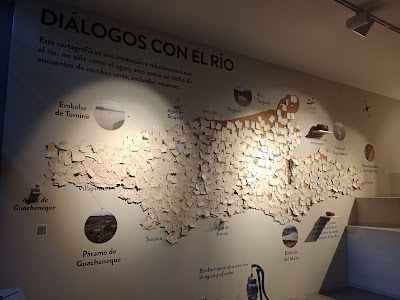
NC-Arte
La Macarena
An innovative cultural space dedicated to large-scale, site-specific installations by contemporary Latin American artists.
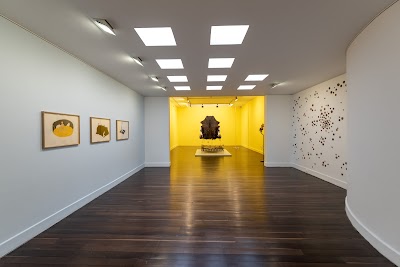
Casas Riegner
Zona G
One of Colombia's most influential commercial galleries, representing established and emerging contemporary artists.
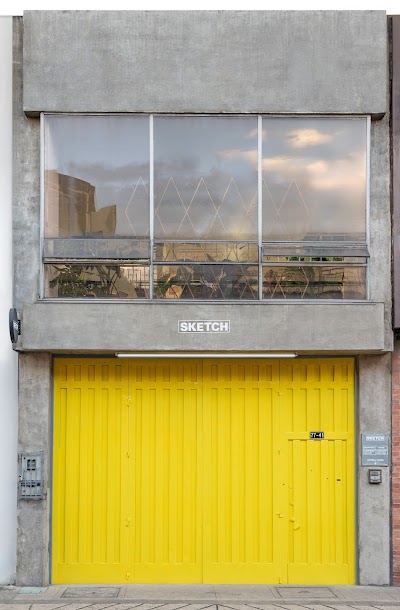
Sketch Gallery
San Felipe
A dynamic gallery focusing on drawing, illustration, and experimental paper-based works by young artists.
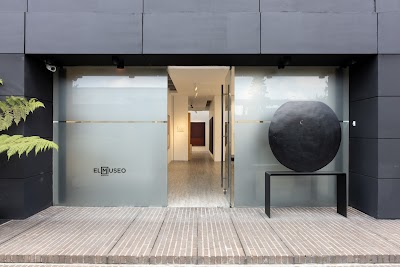
Galería El Museo
Chicó
A massive gallery space showcasing major modern and contemporary Colombian masters.
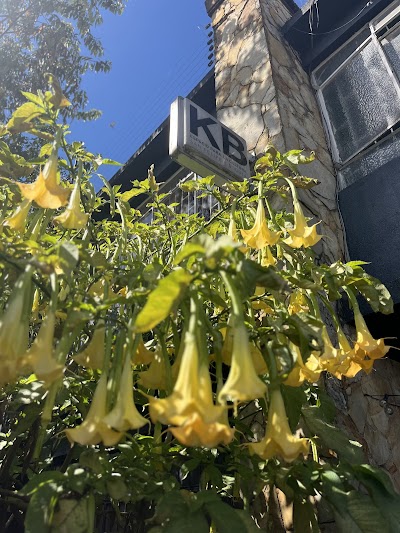
KB Espacio para la Cultura
San Felipe
An independent, artist-run space that combines a gallery, a bookstore, and a lively bar.
Don’t-miss
Signature experiences
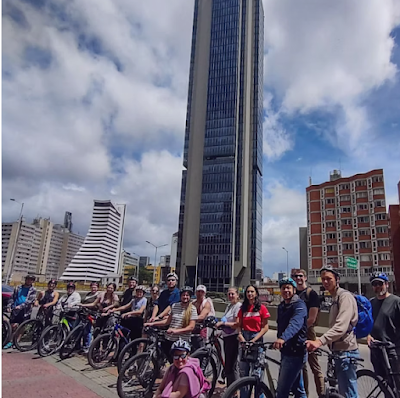
La Candelaria Graffiti Tour
La Candelaria·3 hours·★ 5
Led by local artists, this walking tour decodes the complex political, social, and historical meanings behind the city's world-famous street art.
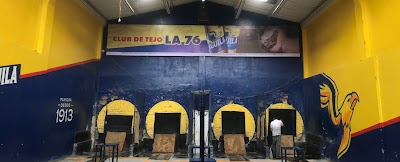
Play Tejo at Club de Tejo La 76
Chapinero·2 hours·★ 4
Experience Colombia's explosive national sport, which involves throwing metal discs at small gunpowder targets embedded in clay, accompanied by local beer.
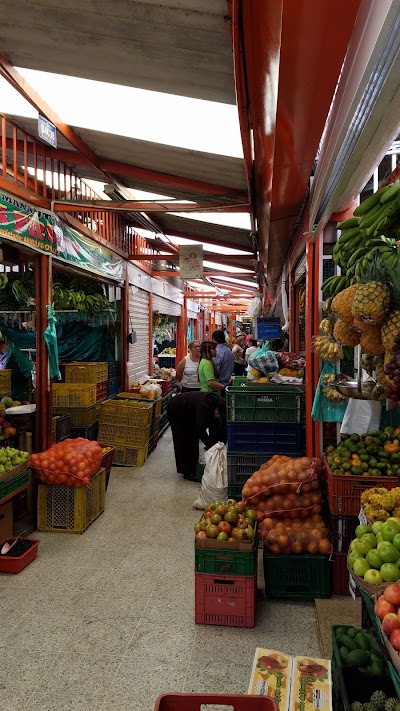
Paloquemao Market Fruit Tasting
Los Mártires·3 hours·★ 4.5
Navigate one of the country's largest traditional markets to sample dozens of exotic, high-altitude and tropical fruits you cannot find outside South America.
Beyond the city
Day trips
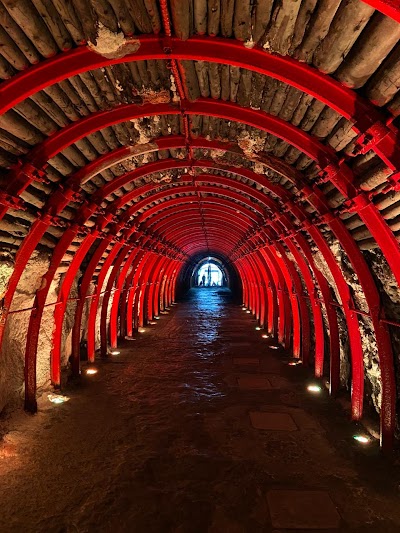
The Salt Cathedral of Zipaquirá
A monumental Roman Catholic church carved entirely within the tunnels of an active salt mine, 200 meters underground.
Getting there — Approximately 1.5 hours north of the city via public bus from the Portal Norte terminal, or via the historic steam train on weekends.
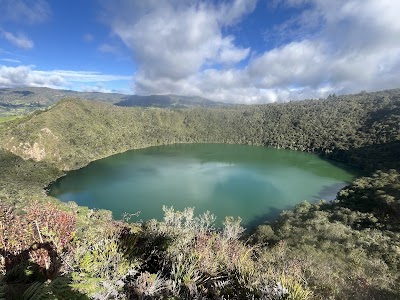
Laguna de Guatavita
A sacred, circular mountain lake that served as the ceremonial site for the Muisca people and inspired the Spanish legend of El Dorado.
Getting there — Roughly 2 hours north of the city; best accessed via a combination of TransMilenio to Portal Norte, a bus to Guatavita town, and a local taxi to the reserve.
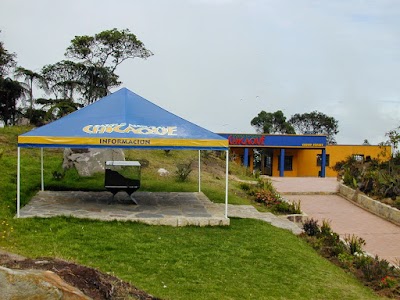
Chicaque Natural Park
A high-altitude cloud forest reserve featuring dramatic hiking trails, oak forests, and spectacular viewpoints over the Magdalena Valley.
Getting there — Located about 1 hour southwest of the city; best reached by private taxi or a organized day-tour shuttle.
Timing
When to visit
Dry Season (December to February)
The clearest skies and lowest rainfall of the year. Ideal for hiking up Monserrate and walking the historic center, though nights can get quite chilly.
Mid-Year Dry Window (July to August)
A secondary dry period characterized by strong winds and sunny days. Perfect for outdoor festivals and exploring the city's parks.
Rainy Seasons (March to May & September to November)
Heavy afternoon downpours are common. While museum visits and indoor dining remain unaffected, outdoor activities require flexible planning and a solid umbrella.
What it costs
Budgeting
Logistics
Getting around
From the airport
El Dorado International Airport is located about 10 kilometers west of the city center. Authorized yellow taxis are available at designated ranks outside the terminals; use the digital kiosks to pre-calculate your fare. Alternatively, ride-hailing apps like Uber and Cabify operate widely and offer a reliable, fixed-price alternative.
Public transit
The TransMilenio is a massive bus rapid transit (BRT) system operating in dedicated lanes. It is highly efficient for traveling long distances north-to-south but gets extremely congested during rush hours. Complementary SITP buses cover smaller neighborhoods but require a pre-loaded transit card.
Passes & tickets
The 'Tullave' card is required to use both the TransMilenio and SITP buses. It can be purchased and topped up at any major station for a nominal fee (€). There are no multi-day tourist passes, but fares are inexpensive.
On foot
Walkability is highly localized. Neighborhoods like La Candelaria, Usaquén, and Zona T are highly pedestrian-friendly, but the sheer size of the city means you will need vehicular transport to travel between these distinct zones.
Travel smart
Safety & etiquette
Local etiquette
- •Always greet service staff with a polite 'Buenos días' or 'Buenas tardes' before making requests.
- •It is customary to leave a 10% voluntary service tip ('servicio') at sit-down restaurants; this is usually added to the bill automatically, but you should confirm.
- •Avoid discussing the country's past drug violence or cartel history unless initiated by a local; it is a sensitive topic that locals prefer to move past.
From the ground
Practical tips
1
Download Cabify or Uber before arriving; they are safer and more reliable than hailing street taxis.
2
Always carry a small umbrella or waterproof jacket, even if the morning starts with clear blue skies.
3
When visiting Monserrate, book your funicular or cable car tickets online in advance to skip the massive ticket lines.
4
Keep a copy of your passport on your phone and leave the physical document in your hotel safe.
5
Use the 'Tullave' card for the TransMilenio; you can buy and load it at any major station.
6
Dress in smart-casual attire; locals in Bogota tend to dress conservatively and stylishly, rarely wearing shorts or flip-flops in the city.
Bogota FAQs
Is altitude sickness common in Bogota?
Yes, Bogota sits at 2,640 meters above sea level, and some visitors experience mild headaches or shortness of breath. Stay hydrated, avoid heavy meals and alcohol on your first day, and allow your body 24-48 hours to acclimate.
Can I drink the tap water in Bogota?
Yes, the tap water in Bogota is generally safe to drink and of high quality. However, if you have a highly sensitive stomach, stick to filtered or bottled water to avoid minor digestive issues.
What should I pack for the weather?
Pack layers. The weather can transition rapidly from warm sunshine to chilly rain in a single afternoon. A light, windproof jacket, an umbrella, long pants, and comfortable closed-toe walking shoes are essential.
Is Bogota safe for solo travelers?
Yes, provided you stick to well-traveled neighborhoods, avoid walking alone at night, and keep your valuables secure. Stick to northern districts like Chicó, Chapinero, and Usaquén for a safer base.
How do I pay for things in Bogota?
Credit and debit cards are widely accepted in hotels, restaurants, and supermarkets. However, you will need cash (Colombian Pesos) for street food, small cafes, market stalls, and public transit cards.